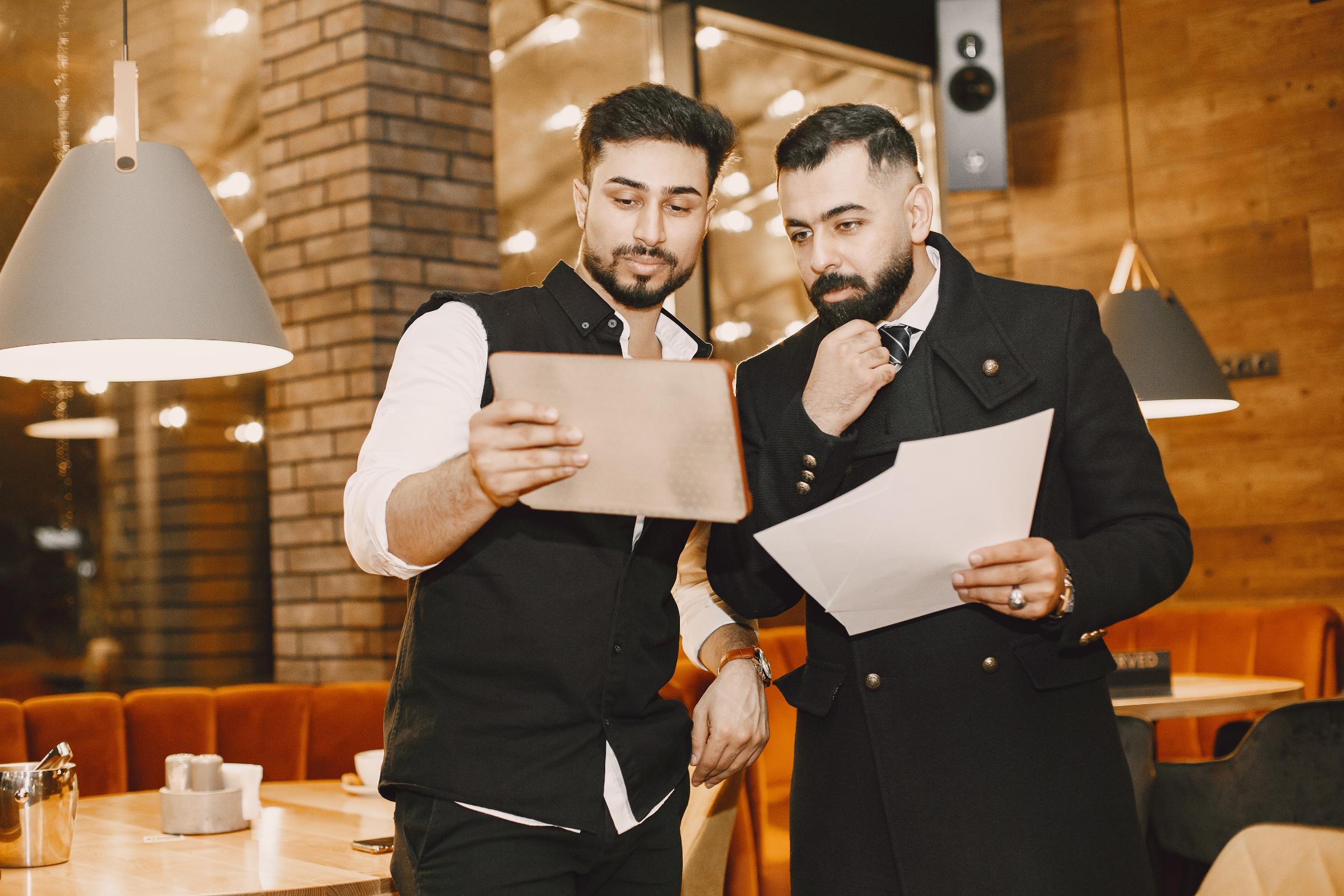
Many restaurants ask for reviews at the exact moment customers are most impatient. Staff members hand over QR codes while guests are waiting to pay, putting on their jackets, or trying to leave.
That timing often backfires. Instead of capturing genuine feedback, restaurants create another small task at the end of a dining experience. Customers remember pressure more than hospitality.
Asking During Checkout Creates Unnecessary Friction
The worst time to ask for a review is when customers are mentally finished with their visit, and their focus has shifted from the meal to what comes next. By the time the bill arrives on the table, most people have already switched their attention elsewhere.
Some are heading to another appointment. Others are arranging transport home or continuing conversations outside the restaurant. A review request suddenly feels intrusive rather than helpful.
This also puts staff in an awkward position. Guests may feel obligated to say yes even when they have no intention of leaving feedback later.
Asking After A Bad Service Recovery Makes Things Riskier
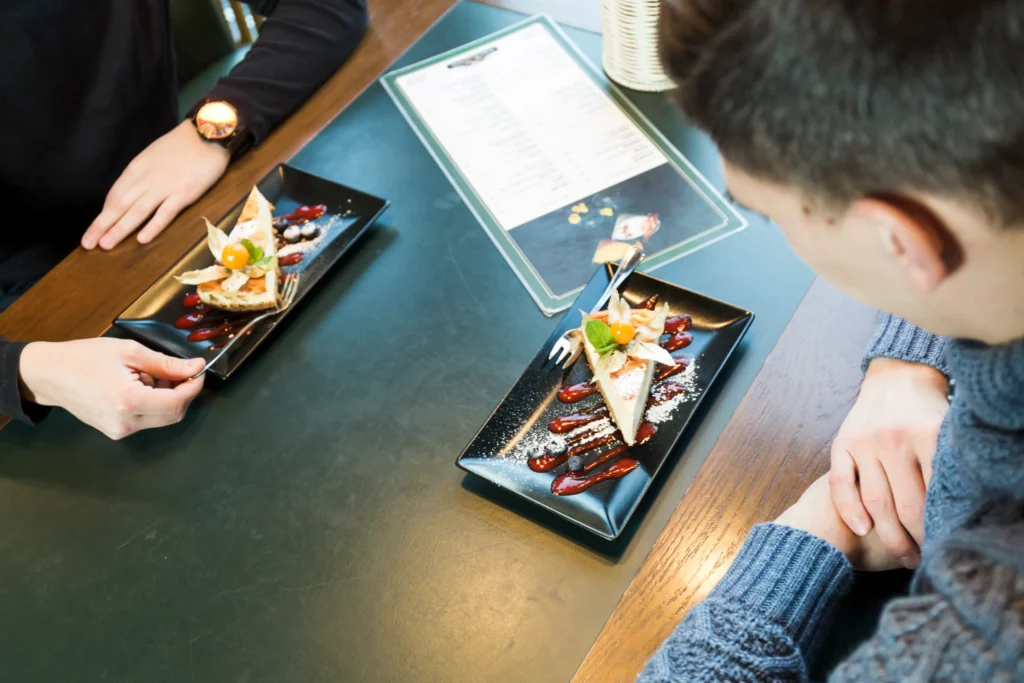
When a meal goes wrong, restaurants are understandably eager to fix it. A complimentary dessert, a discount on the bill, a sincere apology. But sometimes, in the rush to repair a bad experience, they make another mistake: asking for a review immediately after the issue has been resolved.
This approach, while well-intentioned, often creates the wrong impression. It can feel transactional, as if the gesture of goodwill was conditional on a positive public comment. The request changes the nature of the apology from a moment of genuine service recovery to what feels like a plea for a good rating.
A corrected mistake doesn’t instantly erase the initial frustration. Customers need time to process the experience as a whole, and asking for a review too soon can bring up those negative feelings again.
Timing Matters More Than The Request Itself
Restaurants often focus too much on the specific wording of their review requests, obsessing over finding the perfect script, when they should be paying attention to the moment itself. They workshop phrases and train staff on what to say, all while ignoring the clearest signals from their customers’ own behaviour.
The best opportunities happen when satisfaction naturally peaks. Guests who compliment the food, thank the staff, or express excitement create stronger review opportunities than any prepared line.
This should feel like an extension of hospitality. The request becomes secondary because the positive experience already exists.
Too Many Review Requests Damage Credibility

Some businesses ask for reviews everywhere at once. Customers see reminders on receipts, menus, table tents, social media pages, and follow up messages.
Eventually, people stop seeing it as feedback collection. It starts looking like reputation management disguised as customer service.
Restaurants should avoid turning every guest interaction into a ratings exercise. Constant requests create fatigue and weaken authenticity over time. The same impulse often drives rushed decisions in paid advertising too. If you’re weighing where your budget should go, 5 Questions You Should Ask Before You Spend on Restaurant Advertising is worth reading first.
Better Timing Protects Reputation In The Long Run
Restaurants that earn strong reviews consistently rarely pressure customers. They build memorable experiences first and invite feedback at appropriate moments.
This matters because review platforms influence trust long after the meal ends. Future customers often read these comments before deciding where to spend money.
Media Grid regularly sees the connection between reputation and long term growth. Public perception grows stronger when restaurants focus on genuine experiences instead of chasing ratings. Sometimes asking less leads to receiving more.