You think your restaurant lives or dies by what customers post online. But the people who really decide whether your dining room stays full are talking about you in private chat groups and over coffee. Journalists who cover food in Singapore share notes constantly. They warn each other about owners who waste their time. They pass along tips about chefs who actually answer their phones.
This happens more often than most restaurant owners want to admit. A food writer who had a bad experience at your tasting event will mention it to a colleague before they ever publish a word. That colleague might have been planning to review you next month. Now they are not so sure. One quiet conversation can shift the entire media plan for your opening.
Word Gets Around Faster Than You Think
A journalist who arrives to find the owner has forgotten about the interview will not just be annoyed. They will tell three other writers by dinner time. These conversations happen in WhatsApp groups, at industry gatherings, and during quick calls before deadline. The story about your disorganized kitchen will travel further than your carefully written press release ever could.
Restaurant owners often treat each media interaction as a separate event. They do not realize that the food editor and the lifestyle writer and the freelance critic all know each other. They share the same small circle of contacts. They eat at the same places. When one of them forms an opinion, the others hear about it quickly.
This means your behavior with one writer affects your chances with all of them. A no-show on a scheduled call does not just burn one bridge. It becomes a small warning that gets passed along. Before you know it, several desks have quietly decided to focus elsewhere.
One Bad Tasting Can Reach Five Writers

You invited a journalist for a complimentary meal and the service fell apart. Maybe the kitchen was short-staffed or the manager was new. Whatever the reason, the writer left unimpressed. You might think that is one bad review to worry about. But that writer has already described the evening to peers who trust their judgment.
Writers remember these details because their own credibility is on the line. They do not want to recommend a restaurant that embarrassed a colleague. They do not want to waste their editor’s budget on a place that cannot handle a simple media dinner. So they listen carefully when another journalist shares a bad experience.
The result is that one rough night can create a ripple effect you never see. No one publishes a story about why they are skipping your opening. They simply do not show up. Your restaurant misses coverage from multiple outlets because of a single failed interaction that got shared around.
Treating One Writer Well Pays Off With Others
When a journalist has a smooth experience at your restaurant, they talk about that too. They mention how the chef took time to explain the menu. They note that the owner followed up with proper information instead of ghosting them. These positive reports spread just as quickly as the negative ones.
A writer who feels respected becomes an informal advocate for your restaurant. They might suggest you to a colleague who is looking for a new angle on local dining. They might mention your name when an editor needs a source for a bigger feature. This is how small restaurants end up in major roundups without spending money on advertising.
Good treatment builds a reputation that outlasts any single article. Writers remember who made their job easier. They return to those names when they need quotes, sources, or recommendations. Your restaurant becomes part of their professional network instead of just another pitch in their inbox.
Your Media Reputation Decides Your Future Coverage
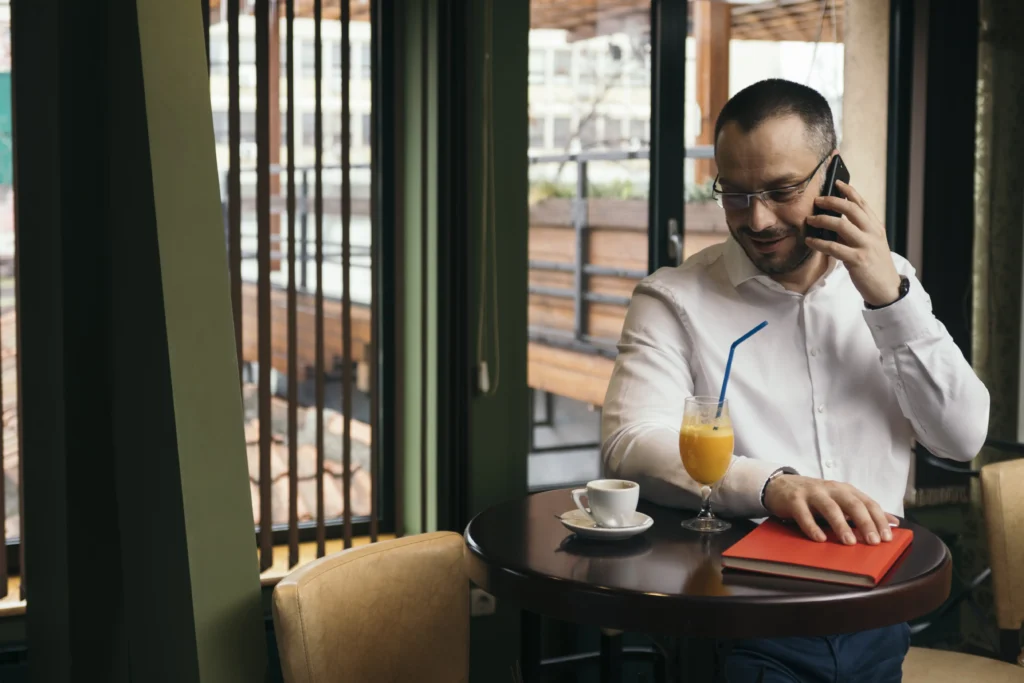
This network effect is why restaurants that stay in the press year after year tend to share one trait. The owners understand that journalists are connected. They treat every interaction as if it will be discussed among the entire food media community. They show up on time, answer questions directly, and fix problems without making excuses.
Media Grid has seen restaurants rise and fall based on these invisible conversations. The places that last are the ones that respect how the system actually works. They know that a good relationship with one writer is an open door to many others. They do not try to manipulate coverage. They simply show up prepared and treat people well.
If you want your restaurant to stay relevant in Singapore’s crowded dining scene, you need to think beyond individual articles. You need a reputation that makes journalists want to talk about you positively when you are not in the room. That is what keeps your name in circulation and your tables occupied.