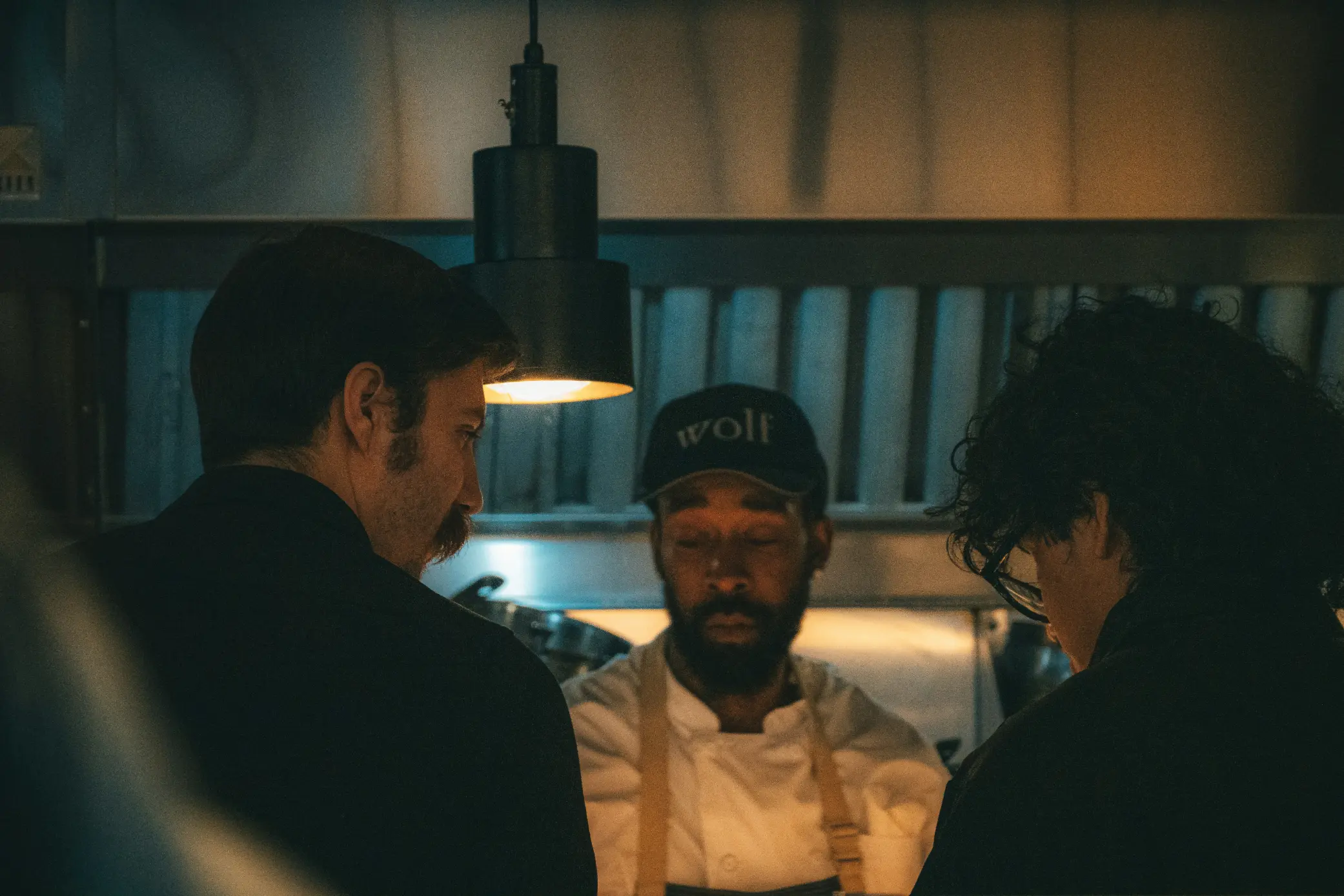
Every dining venue eventually faces the dreaded notification: a single star, a stinging paragraph, and a public hit to your online rating. Even the most disciplined kitchens and flawless front-of-house teams hit occasional service bumps or cross paths with an impossible-to-please guest. Most restaurant owners panic when it happens, taking the criticism personally and treating a single bad mark like an existential crisis for their business.
However, a solitary negative review is never what destroys a restaurant brand. It is how management chooses to react in public that determines the damage. Panicking, firing off defensive arguments, or trying to scrub bad feedback off the internet only draws more attention to the flaw. Understanding how to absorb a bad review with complete composure is what turns a potential PR mess into a display of professional authority.
Panicking Over One Bad Rating Exposes Your Insecurity
When an angry review pops up, your immediate reaction might be to suspect malicious intent or call up your legal team. Trying to challenge every negative comment or begging platforms to take down bad reviews signals that your management team cannot handle basic customer feedback. Potential guests who notice a restaurant obsessively fighting bad ratings quickly assume the venue has something to hide.
A perfect five-star score across hundreds of reviews often looks artificial to modern diners anyway. A few low scores mixed into a long history of solid ratings show that your business is real, active, and operating in a live environment. Instead of losing sleep over a missing star, accept that bad days happen and focus on how your team handles the aftermath.
Blaming the Guest Online Scares Away Future Business

Typing out a point-by-point rebuttal that blames the diner for bad taste, late arrival, or unreasonable expectations is a total PR trap. When you argue with a reviewer on a public forum, you are not speaking to that angry individual; you are performing in front of thousands of potential guests deciding where to eat this weekend. A bitter, passive-aggressive reply makes your venue look hostile and unwelcoming before a guest ever steps through your doors.
Keep your public reply brief, polite, and completely grounded in plain language. Acknowledge the disappointment, offer a brief standard apology for falling short of your usual quality, and invite them to reach out privately to resolve the matter. Moving the argument off public comment boards neutralizes the drama immediately and proves to onlookers that your business operates with class under pressure.
Use Real Kitchen Failures to Fix Real Operational Flaws
Not every bad review comes from a dishonest internet troll; sometimes your kitchen actually drops the ball during a rush. If a guest complains about cold food, slow drink service, or an incorrect order, treat that feedback as free operational data for your shift manager. Taking an honest look at what went wrong behind the pass allows you to fix genuine bottlenecks before they hit other tables.
Gather your line cooks and floor staff to review the incident without starting a witch hunt. Use the complaint to tighten service standards, retrain staff on plate timing, or adjust table check-in routines. Turning a negative review into a practical training lesson ensures that a single mistake actually makes your daily operations stronger over time.
Quiet Composure Is How You Build Unshakable Brand Authority

A resilient restaurant reputation is built on months of steady, reliable hospitality rather than flawless online comment threads. Operating with consistent quality, treating feedback with restraint, and keeping your temper in check is what earns long-term respect in a crowded market. Venues that handle bad news with quiet dignity protect their brand integrity through every operational bump.
At Media Grid, we help dining concepts navigate public criticism without losing their cool or risking their bottom line. We build clear communication frameworks that take the raw emotion out of review management, helping you maintain a commanding public presence that keeps guests coming back. Handling criticism with discipline protects your authority today and secures your dining room for the future.
If your restaurant just logged a brutal one-star review, take a deep breath before typing a single word. Step back, address the issue with quiet composure, and keep your focus on serving the floor tonight. That grounded approach to crisis management is what keeps your brand respected and your seats full next year.