
When a real crisis hits your venue—whether it is a severe food safety scare, a public staff controversy, or a sudden facility disaster, every camera and commentator points directly at your front door. The immediate instinct for many restaurant owners is to step right up to the microphone, defend their life’s work, and clear the air. Unprepared executives who speak off the cuff during a high-stakes emergency almost always exacerbate the damage.
Assigning the wrong voice to represent your brand under pressure destroys public trust in minutes. Effective crisis communication requires precise discipline, clear delegation, and an absolute ban on unscripted emotional responses. Establishing a strict chain of command for media inquiries before trouble strikes is what keeps a temporary operational bump from turning into a business-ending disaster.
Keep Your Service Team Completely Silent on Official Matters
Floor managers and head chefs are exceptional at running high-volume shifts, but they are not trained to handle aggressive journalists or hostile online mobs. When reporters arrive at your venue during an active situation, on-duty floor staff naturally panic or attempt to shield the business by giving off-the-record statements. Unofficial comments from staff members create conflicting narratives that make your leadership team look chaotic and dishonest.
- Enforce a strict blackout: Line cooks, bartenders, and floor staff must never offer opinions, estimates, or commentary to media or guests.
- Implement a simple routing script: Floor teams should be trained to give one standard answer: “Our leadership team is currently handling the situation and will release an official statement shortly.”
- Collect contact details quietly: Direct reporters to leave their press credentials and email addresses with a designated host rather than engaging in doorfront interviews.
Training your front-of-house team to step back immediately prevents accidental leaks, halts rumor spread, and ensures all official communications flow through a single, controlled channel.
Match Your Spokesperson to the Severity of the Situation
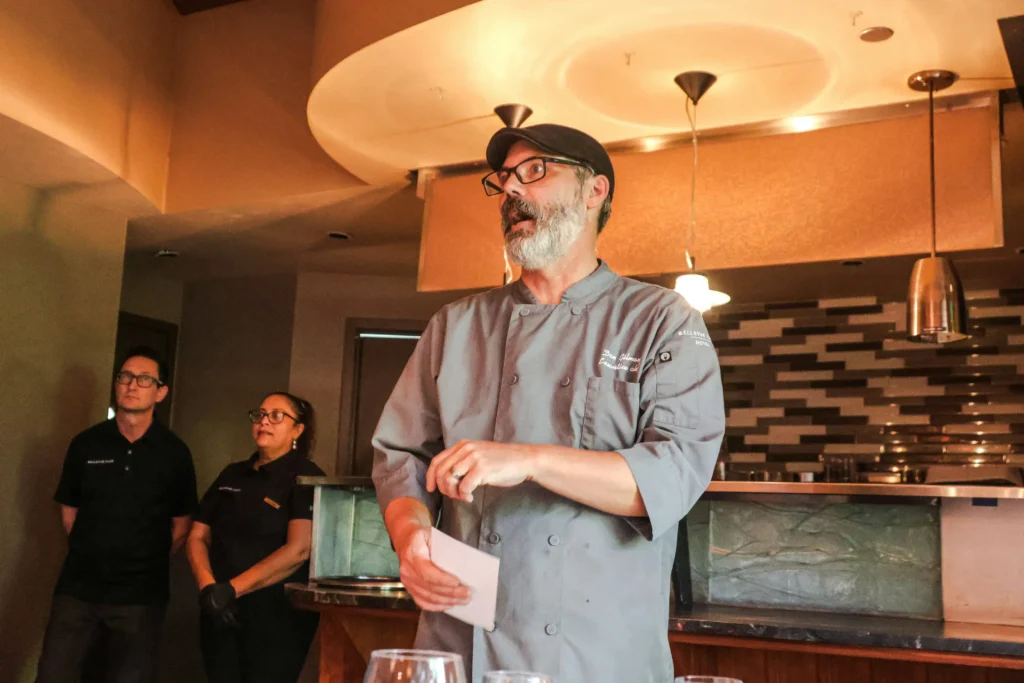
Not every incident demands a full statement from the founder, just as minor service hiccups should never be handled by junior staff. Deploying the wrong authority level sends a confusing signal to the public about how seriously you take the event.
| Severity Level | Event Example | Designated Spokesperson | Key Objective |
|---|---|---|---|
| Minor / Operational | Isolated service delay, bad customer review | General Manager / Ops Lead | Resolve guest complaint directly, reiterate service standards |
| Moderate / Reputation | Local supplier dispute, minor facility disruption | PR Lead / Media Consultant | Issue controlled statement, maintain operational stability |
| Severe / Brand Critical | Mass food poisoning, major safety breach, legal issue | Founder / CEO (with PR counsel) | Take full responsibility, outline immediate corrective actions |
At Media Grid, we build strict crisis delegation matrixes for dining groups so leadership never has to scramble over who steps up when a story breaks. Putting a founder on camera for a minor operational bump makes your brand look unstable, while hiding executives during a major health crisis communicates cowardice and guilt.
The Three Rules Every Spokesperson Must Follow On Camera
Delivering a crisis statement is an exercise in restraint, non-verbal composure, and strict message control. When your designated speaker steps up to represent the venue, they must adhere to three non-negotiable rules:
- Never speculate on cause: Do not guess about facts, timelines, or root causes before an official internal or regulatory investigation is complete.
- Eliminate corporate jargon: Speak in plain, human language. Avoid robotic legal phrasing like “we take safety seriously” while actively dodging accountability.
- Stick strictly to approved facts: Present what you know, outline what you are doing to fix it immediately, and stop talking.
Over-explaining under pressure leads to slips of the tongue that dominate headline news cycles. Concise, factual statements demonstrate quiet authority and bring the media cycle to a rapid close.
Disciplined Leadership Turns PR Disasters Into Long-Term Authority

Surviving a major public fallout requires emotional distance, strategic coordination, and a unified front from management. Restaurants that control their narrative with steady composure preserve their market reputation long after the news cycle moves on. Establishing a firm, disciplined chain of communication today is how you protect your brand authority and keep your dining room full tomorrow.
If an emergency strikes your venue this week, resist the impulse to issue an unscripted video apology or post an emotional statement on social media. Gather your leadership team, enforce your communication protocol, and let a single trained voice represent your business with total composure. That uncompromising discipline under pressure is what secures your brand’s integrity over the long haul.