A journalist opens forty emails before lunch and deletes most of them within seconds. Every restaurant owner searches how to get featured in media at some point, usually the moment an opening date gets locked in. If your press kit lands in that inbox looking like a rushed afterthought, it never gets a second look.
Ask yourself what happens the instant a writer opens your file. Do they see the dishes, the chef, and the reason this place matters, or do they see a stack of claims with nothing to back them up? A press kit that answers that question immediately is the one that gets read all the way through.
What Actually Belongs In A Press Kit
A good media kit is short and built to be scanned at a table between meetings, not studied for an hour. Journalists will not hunt for information that should be handed to them complete and ready to use. It should include:
a one page story about your establishment.
a short chef bio.
a handful of sharp photos.
and contact details on every page instead of buried at the bottom.
Keep the design simple. A clean logo, a link to a Google Drive folder of images, and one line describing your food carry more weight than five paragraphs of flowery language. If you run a seafood restaurant, say so plainly, and note what makes your dishes stand apart from the seafood spot down the road.
Photography matters more than most owners expect. A few clear shots of the dining room and interior, along with a plated dish or two, do more work than three pages of copy. Skip anything that reads like an internal report; financial information belongs in a business plan, not a press kit, and a simple template beats a document full of homework.
Why Press Releases And Contact Details Still Get Ignored
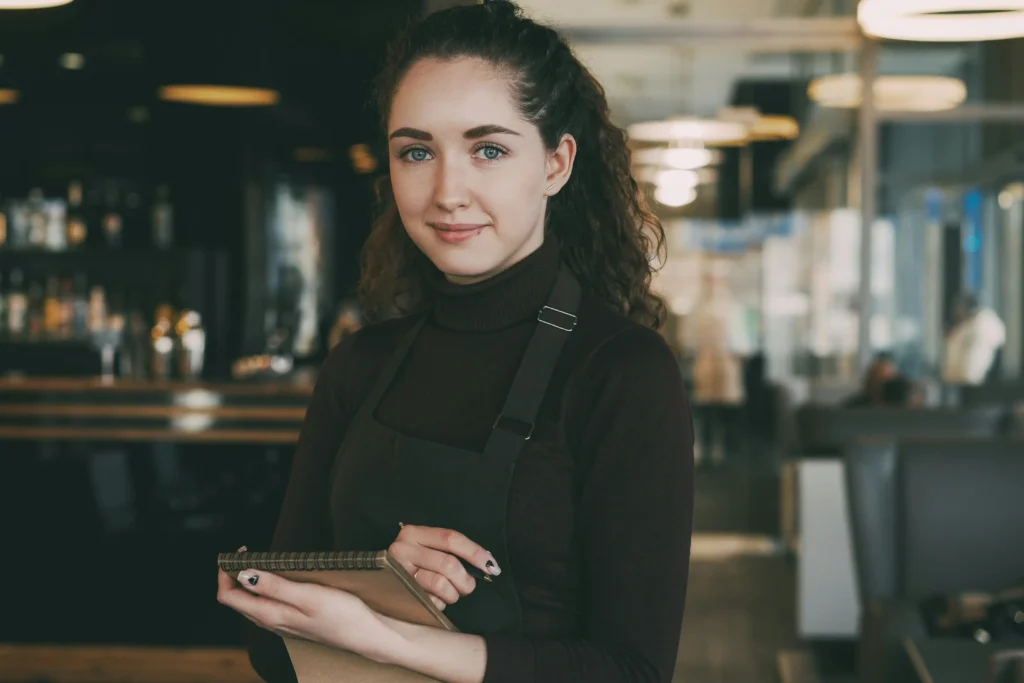
Most press releases fail for one simple reason: they focus on the restaurant instead of the reader. A journalist does not care that you are excited about your opening. They care whether the story fits their audience and whether they can write it before deadline.
Contact details matter more than people assume. If a writer has to search your website to find who to email, you have already lost the coverage. Put a name, a phone number, and an email address at the top of the release, and make sure that person actually answers when a request comes in.
At Media Grid, we ask every client the same question before a launch: would a stranger want to cover this? A short description of the food and the room, written plainly, does more than a page of talking points about how special the place is. A press kit is not complete until someone actually owns the job of answering it.
What Changes When You Open A New Restaurant
A new restaurant has one advantage older places do not have: genuine news value. Use it well. Instead of a generic line about excitement, give journalists a specific example, like a chef’s background, an unusual dish, or a design detail worth a mention.
Hire a graphic designer if the budget allows, even for a small job. A press kit with a consistent brand, decent photos, and a clean structure tells a company you are serious about the restaurant business. It also saves the writer time, since they can pull images straight from the kit and present it without extra editing.
Send a proper notice before press events or special events, not a same-day email. Give writers time to check publications’ schedules and fit your restaurant into an actual assignment, rather than a quick mention nobody reads. Hours, location, menu highlights, wine list notes, and social handles should all sit in one place, and the process for requesting more should be spelled out clearly.
What This Means For Your Restaurant Business Next Year
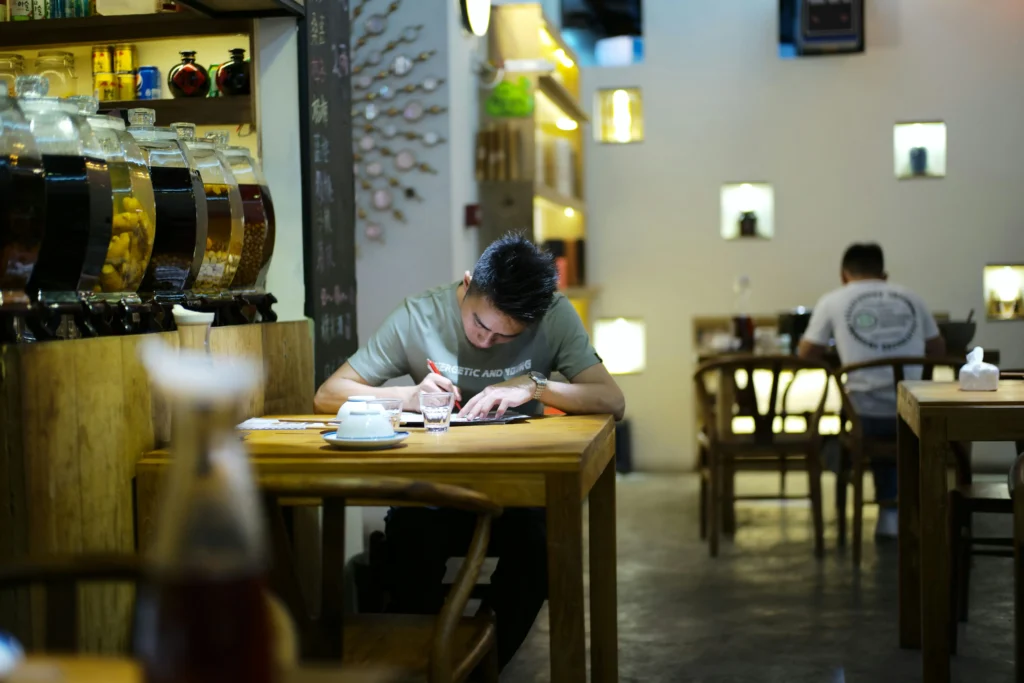
Press coverage does not fill seats overnight, but it does create a record that customers and other outlets can find later. A restaurant that journalists trust to offer clear, professional information is one they return to for future stories, whether that is a new menu or a bar opening.
This is the quiet work behind most food press that guests never see. Getting it right once means your team is not scrambling to print materials or cover a media request the night before an event, and it frees up time to focus on the rest of the opening.
Treat your press kit the way you treat your dining room: clean, organised, and ready before guests arrive. Journalists are guests too, and they decide fast whether the effort behind it reflects real talent or a rushed job done for free.