You just signed a contract with a PR team and now you expect a line of hungry people to wrap around the block by tomorrow morning. It is a common dream for many shop owners, but the first thirty days are actually more about paperwork and kitchen visits than overnight fame. If you do not understand the slow build of the first few weeks, you might feel like you are wasting your hard-earned money. Real publicity takes time to cook properly, much like a good bone broth or a slow-roasted brisket.
Knowing exactly what to expect from restaurant PR agency partnerships during the early stages will save you from a lot of unnecessary stress. The first month is mostly about getting your house in order so that the media does not see any cracks in the floor when they finally arrive. Your agency needs to learn the soul of your menu and the quirks of your service before they can tell the world your story. Patience during this setup phase is what separates the long-term successes from the places that close within a year.
We Learn Exactly How Your Kitchen Actually Runs
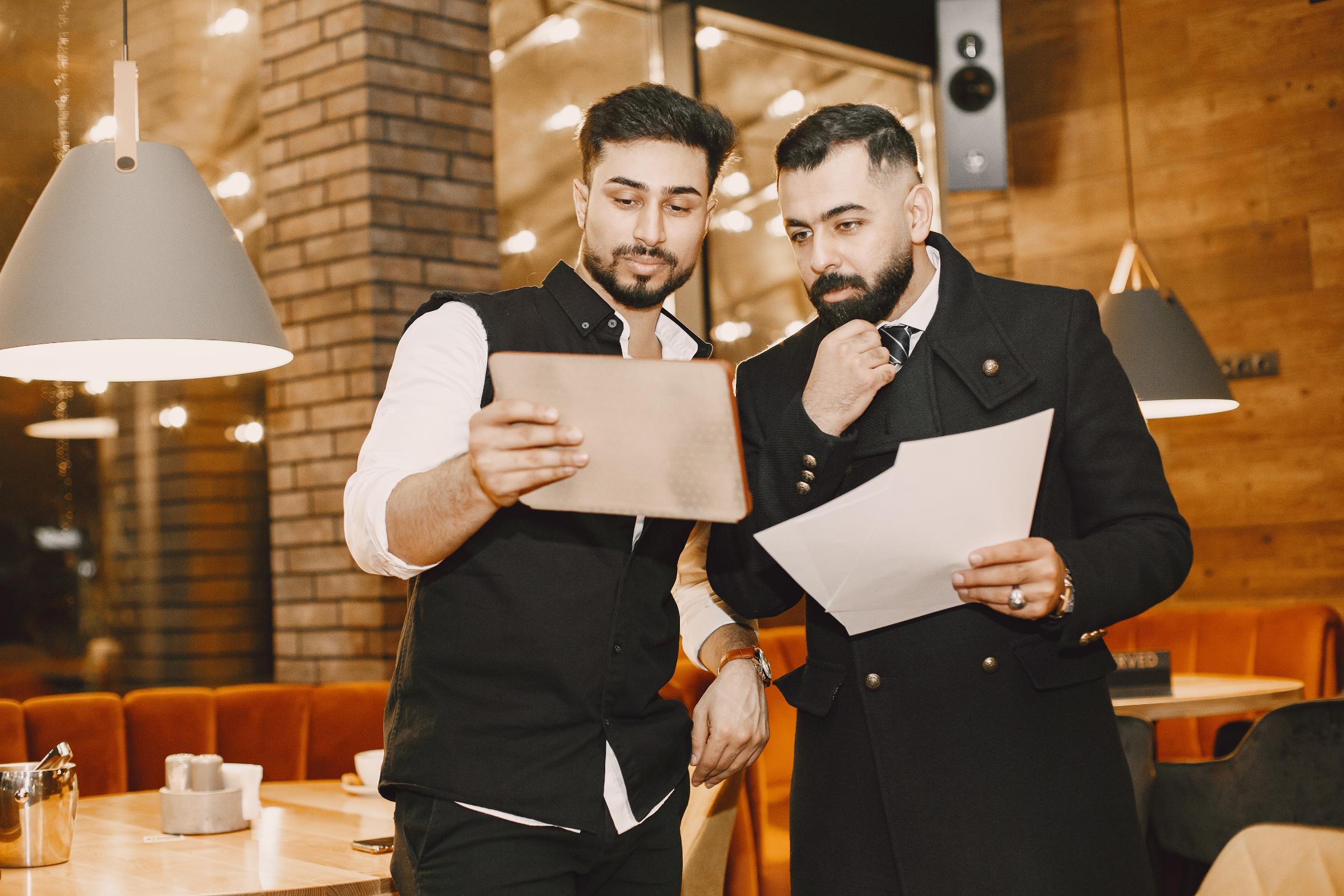
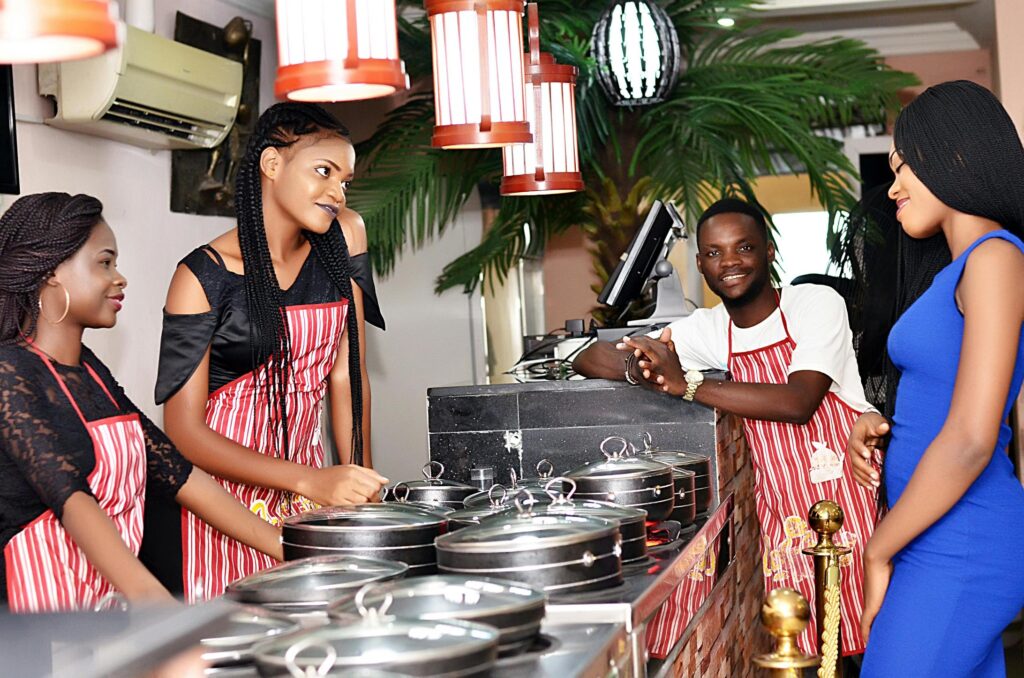
During the first two weeks, your agency will spend a lot of time watching your cooks work and tasting every single thing on the menu. They need to know if your head chef is shy or if your manager has a great story about how they learned to make coffee. This deep dive helps the team find the real hooks that will eventually get people interested in booking a table. Without this information, your PR team would just be guessing, which is a fast way to confuse your customers.
You should also expect a lot of questions about your suppliers and the history of your signature dishes. The agency will look for the small details that make your spot different from the three other bistros on the same street. They might ask to see your prep schedules or sit in on a staff briefing to see how the team handles a busy rush. This information is used to build a solid foundation so that every piece of news sent out feels honest and grounded in reality.
Your Best Dishes Get Their Own Photo Shoot
Once the story is clear, the focus shifts to making sure your food looks as good as it tastes on a bright phone screen. A professional photographer will likely spend a full day in your dining room capturing the light and the steam rising from your plates. These images are the most important tools your agency has for keeping seats full throughout the rest of the year. Bad photos can kill a great story before a journalist even finishes reading the first paragraph of an email.
Your kitchen team needs to be ready to plate dishes perfectly several times until the shot is just right for the camera. This process can be tiring, but these photos will be used for your social media, news articles, and local food guides for months to come. Having a library of high-quality images means your agency can respond to media requests in seconds rather than days. It is a one-time investment in your visual identity that pays off every time a new customer scrolls through their feed.
The Media Begins To Hear About Your Shop
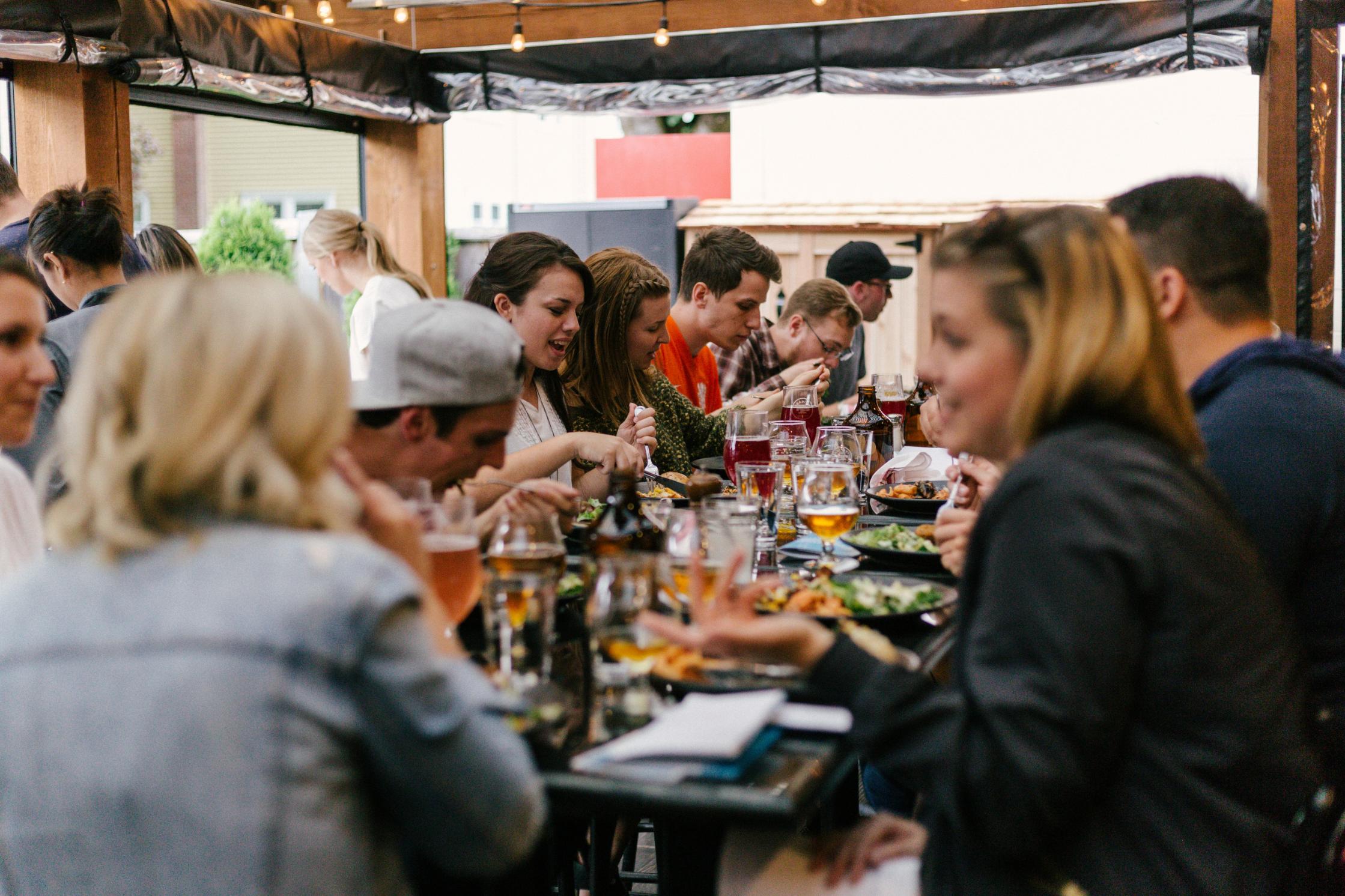
By the third or fourth week, your agency will start reaching out to their contacts to see who is interested in a visit. This is when you might start seeing a few food bloggers or local writers popping in for a quiet lunch to test the waters. They are not there to write a massive review just yet, but they are building an opinion of your hospitality. Your only job during this time is to make sure the food is consistent and the floor is clean.
Read: Why Food Media Covers Some Restaurants and Skips Others
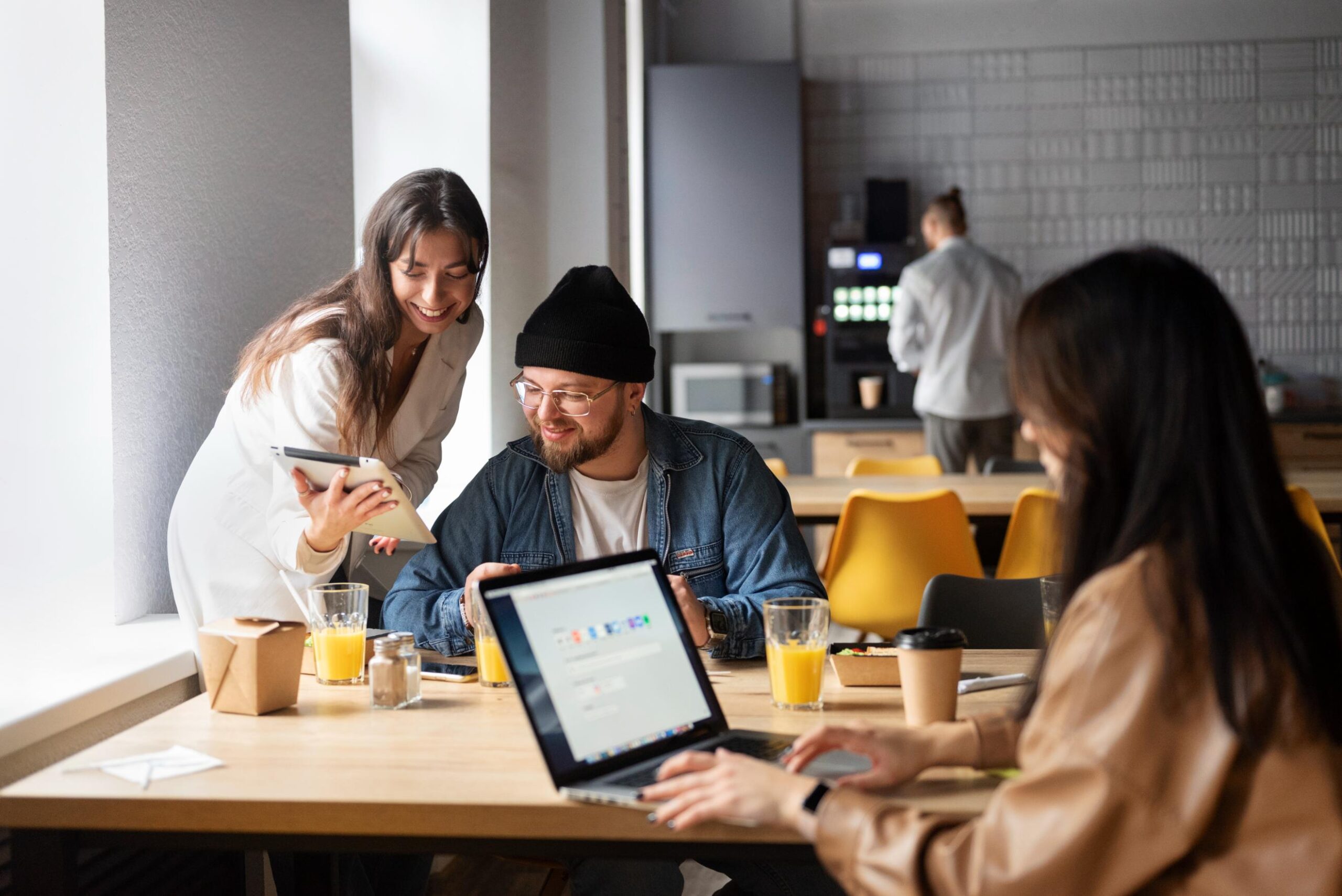
You will receive updates on which editors liked your story and which ones are planning a bigger feature for the following month. This stage is about planting seeds that will grow into the headlines you have been waiting for since you opened. It is important to stay calm and not panic if you do not see a front-page story in the first twenty-eight days. The agency is busy behind the scenes making sure that when the big news drops, your kitchen is ready to handle the crowd.
Good Planning Keeps Your Tables Busy For The Long Haul
The work done in this first month is what ensures your restaurant is still a neighborhood favorite this time next year. If you rush the process, you risk having a big opening night followed by a very quiet and lonely second month. Media Grid focuses on building a bridge between your kitchen and your customers that does not collapse after the first week of hype. We believe that a direct and honest approach is the only way to build a business that lasts in this competitive city.
By the end of the first thirty days, you should have a clear plan, a set of beautiful photos, and a few good leads in the press. You will feel more organized and ready to face the public because you have a team of experts watching your back. Media Grid works closely with owners to make sure the transition from a quiet shop to a busy local icon is as smooth as possible.