Many restaurant owners think one media feature means the PR worked. A write-up appears, reservations increase for two weekends, and everyone feels optimistic. Then the attention fades quietly, and the restaurant returns to chasing customers again a month later.
This happens because a press hit and a PR strategy are completely different things. One creates a short burst of visibility. The other builds steady attention people continue seeing over time. Restaurants often confuse temporary excitement with long-term public interest, especially during opening months.
A Press Hit Creates Attention For A Moment
A press hit usually comes from a single announcement or timely event. Maybe the restaurant launched a new tasting menu, hired a known chef, or opened in a busy neighborhood. Journalists needed something fresh to cover, and the story matched the timing.
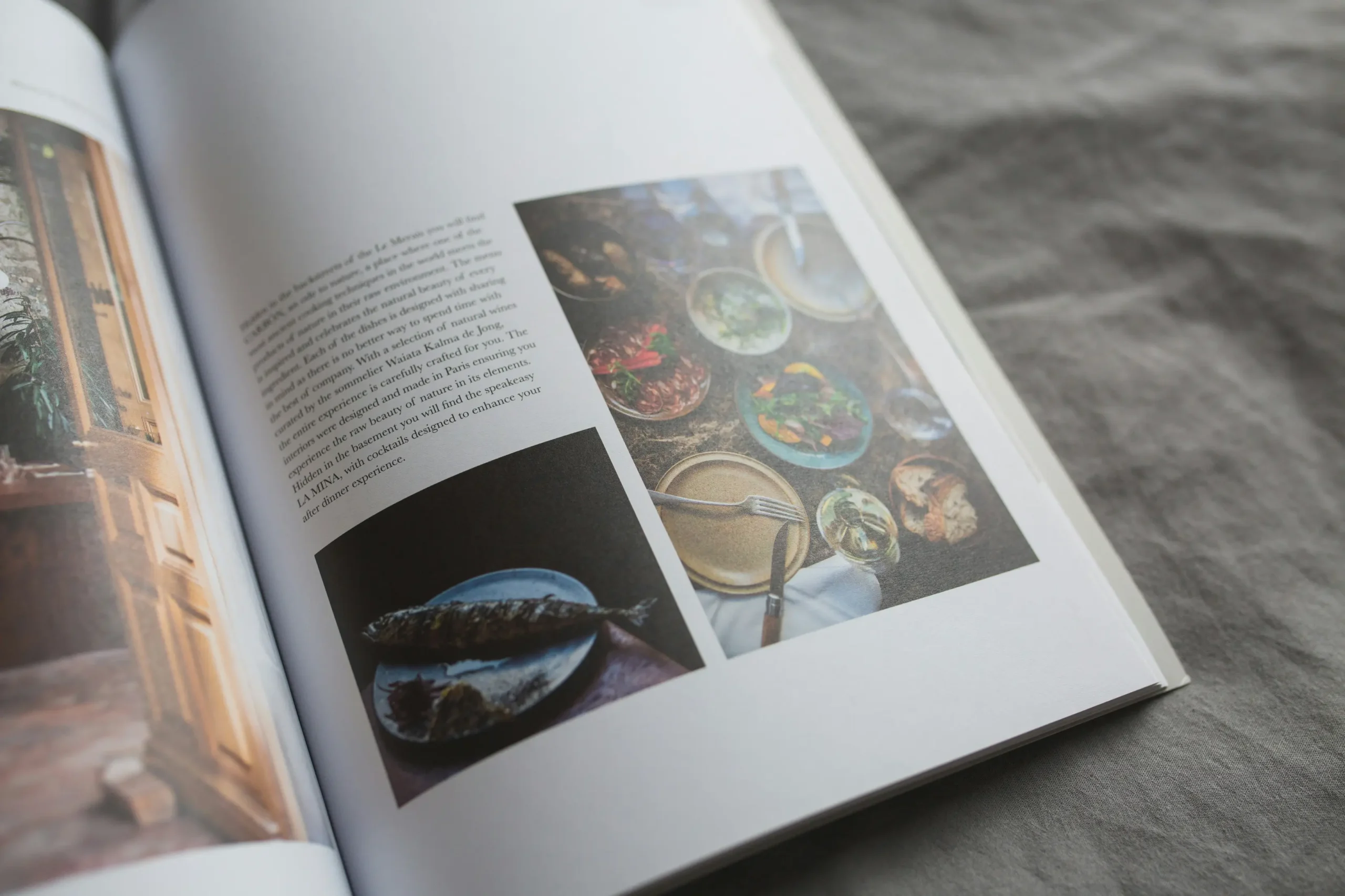
These moments help, especially for newer restaurants trying to introduce themselves quickly. A feature in a food publication or lifestyle page gives the business visibility many customers would never find alone. The problem starts when owners expect one article to keep tables full for the rest of the year.
Media attention moves fast because editors constantly chase newer stories. Today’s restaurant opening disappears once another launch, collaboration, or seasonal menu arrives next week. Restaurants relying only on isolated press hits usually struggle once the initial curiosity fades.
A single feature also cannot repair weak communication elsewhere. Customers still check social pages, online reviews, booking experiences, and menu consistency before deciding where to eat. Public attention fades faster when the restaurant lacks a steady presence after the article goes live.
A PR Strategy Builds Familiarity Over Time

A real PR strategy works differently because it connects multiple stories across longer periods. Instead of relying on one announcement, the restaurant keeps giving people reasons to notice the business throughout the year.
This approach includes planned moments tied to seasonal dishes, anniversaries, chef interviews, collaborations, or business milestones. Each story builds on earlier coverage instead of starting from zero every few months. Familiarity grows because customers keep encountering the restaurant in different places over time.
Consistency matters more than dramatic headlines. Restaurants that stay visible regularly often earn stronger trust than businesses chasing attention only during launches or crises. Customers begin recognizing the restaurant as active, reliable, and relevant within the dining scene.
Editors notice this consistency too. Restaurants with ongoing activity feel easier to cover because journalists already understand the story and know the business remains active. Relationships improve when communication stays steady instead of appearing only during promotional periods.
Good PR Matches How Restaurants Actually Operate
Many PR problems begin when publicity ignores how the restaurant actually runs. A feature promises one experience, but customers arrive and encounter slow service, unavailable dishes, or confused staff. That mismatch damages trust quickly.
Strong PR reflects the real dining experience instead of exaggerating it. If the restaurant focuses on handmade noodles, quiet omakase dinners, or fast weekday lunches, the communication should reflect those strengths honestly. Customers respond better when expectations match reality after they walk through the door.
This also affects timing. Restaurants should avoid announcing major campaigns during unstable periods when staffing, supply, or menu consistency already feels difficult internally. Public attention increases pressure, and weak preparation becomes easier for customers to notice.
Restaurants sometimes underestimate how quickly negative impressions spread online. One disappointing visit after heavy publicity often creates stronger reactions because expectations were raised too high beforehand. Good PR supports the restaurant instead of placing unnecessary strain on daily operations.
Restaurants Last Longer With Consistent Public Attention

Restaurants rarely close because people hated the food immediately. Many slowly disappear because public attention faded while competitors stayed visible. Customers forget quickly when a restaurant stops giving them reasons to return or talk about the business.
Consistent PR helps restaurants remain part of public conversation throughout changing dining trends and crowded market conditions. It creates recognition beyond short promotional cycles. Customers begin remembering the restaurant naturally because they continue hearing about it in different ways over time.
This matters even more during slower economic periods when diners become selective about where they spend money. Familiar restaurants often survive these periods better because trust already exists before customers start cutting back on dining expenses.
Media Grid works with restaurants by building communication around how the business truly operates, not around empty hype or temporary noise. Owners should spend their energy running the kitchen and serving customers well. The public side of the business still needs steady attention if the restaurant wants people remembering the name next year.