For many restaurant owners in Singapore, restaurant media coverage can feel unpredictable. One month, a café in Orchard appears in local newspapers or food blogs. The next, a new restaurant in a neighbourhood mall goes unnoticed despite great food and service. The truth is that most press coverage is not accidental. It follows a clear structure that media outlets, editors, and food writers recognise.
At Media Grid, we work closely with F&B brands across the restaurant industry to help them understand how media works—and how to build long-term visibility that supports their restaurant business, not just short-term buzz.
How Local Media Outlets Decide What to Feature
Local media outlets receive a steady stream of media inquiries every day. Editors at local newspapers, digital publications, and food bloggers look for stories that are timely, relevant, and useful to their audience. A restaurant name alone is rarely enough.
They typically ask:- Is there a clear news angle (grand opening, opening date, seasonal menu, or special events)?
- Does the restaurant offer something restaurant unique—signature dishes, a strong concept, or a meaningful link to the local community?
- Are there professional photos, vivid descriptions, and key details ready?
Building a Strong Foundation Before Outreach
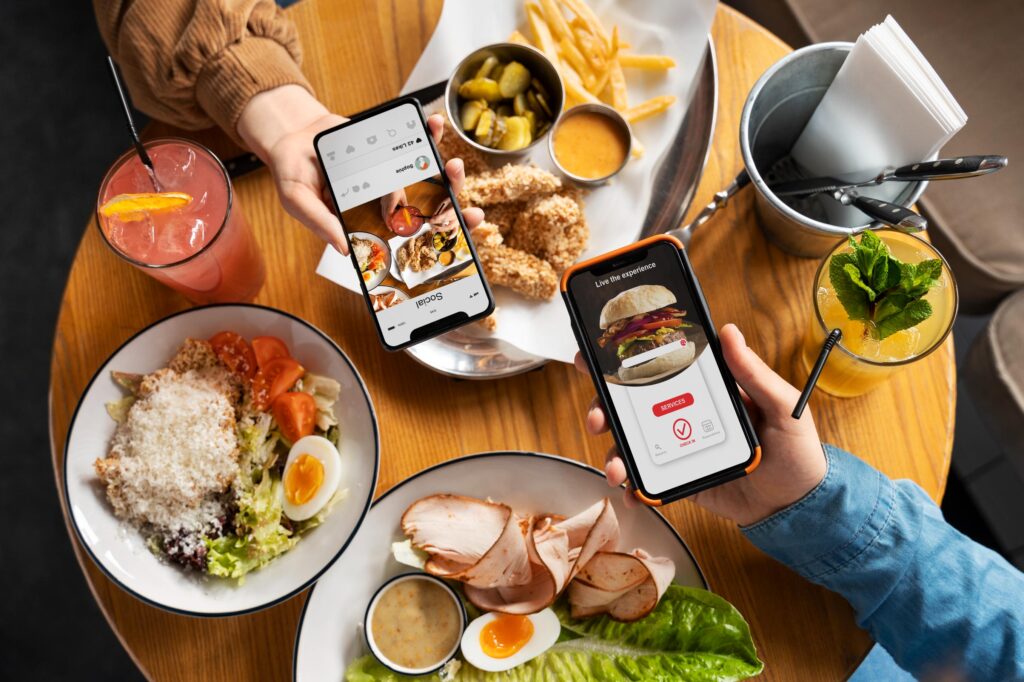
Before sending press releases or pitching stories, restaurants need a solid foundation. This includes:
- A mobile friendly website with relevant keywords, menus, location, and brand story.
- Consistent visual content such as professional photos and videos.
- Clear messaging across social media platforms and digital marketing channels.
Restaurant Media Coverage Works Best When It’s Planned
Successful restaurant media coverage is rarely a one-off activity. Instead, it follows a steady stream of touchpoints:
- Launch announcements for new menu items
- Coverage around local events or sponsoring local events
- Features tied to special events, collaborations, or such events that involve the local community
Beyond Press Releases: Influencers, Reviews, and Community Signals
Press coverage today extends beyond traditional media outlets. Influencer marketing, when done carefully, can complement public relations efforts. Food bloggers with loyal followings can introduce your food to new audiences, especially when content focuses on genuine experiences rather than promotions.
At the same time:- Online reviews influence foot traffic and return visit decisions
- Respond promptly to negative feedback to show accountability
- Treat brand ambassadors as partners, not just advertisers
What Restaurants Often Get Wrong
Many restaurants assume visibility comes from spending more. In reality, some common mistakes include:
- Sending generic press releases with no clear story
- Ignoring key team members and their role in the business story
- Relying only on paid ads instead of earned media
- Forgetting that media coverage should support long-term brand consistency
How Media Grid Supports Long-Term Visibility
As an F&B-focused agency, Media Grid helps restaurants align their website, media, and marketing into one clear narrative. We focus on clarity, consistency, and practicality—helping many restaurants significantly enhance how they are perceived by media and customers alike.
We don’t promise overnight success or dramatically increase sales through hype. Instead, we help you create a strong, credible presence that supports press coverage, digital marketing, and real customer trust.A Common Challenge—and a Solvable One
If your restaurant hasn’t received the level of media coverage you hoped for, it doesn’t mean your food, concept, or business is lacking. In our experience, many restaurants simply haven’t translated what makes them a great place into a clear story that media outlets and customers can immediately understand. This is a common gap across the restaurant industry, especially for busy operators focused on day-to-day operations.
The good news is that restaurant media coverage is not about chasing editors or hoping to “get lucky.” It’s about having the right foundations in place—clear positioning, consistent messaging, a strong website, and a realistic plan for ongoing visibility. When these pieces align, press coverage becomes a natural extension of your brand, not a one-off effort.