A busy dining room no longer guarantees online attention. Some restaurants stay packed on weekends but look invisible on social media the rest of the week. Others flood Instagram daily and still struggle to keep seats full because the content feels empty.
Most restaurant owners think social media marketing means posting food photos every afternoon. That thinking usually fades after three months of weak reach and low engagement. Good restaurant social media marketing in Singapore depends on timing, consistency, and showing how the restaurant actually runs.
This is where partnering with a specialized F&B PR agency in Singapore can make a difference, as they understand the nuances of the local market. Customers notice when posts feel forced, copied, or disconnected from the dining experience.
Your Restaurant Needs A Clear Voice First
Many restaurants fail online before the first campaign even starts. Their pages sound different every week because nobody decided how the brand should speak. One day the captions feel casual, then suddenly formal, then overly trendy after copying another restaurant.
Customers notice inconsistency faster than owners expect. A confusing tone makes the restaurant feel unstable, even if the food remains good. Social media works best when diners recognize the same personality across captions, replies, stories, and promotions.
The strongest restaurant pages usually keep things simple. Clear photos, direct captions, and honest updates outperform forced jokes or dramatic marketing lines. Restaurants do not need to sound clever every day. They need to sound believable.
This matters even more in crowded food districts where diners scroll quickly before choosing where to eat. A clear voice helps people remember the restaurant after seeing dozens of similar posts within minutes.
Posting More Does Not Mean Better Results
Some owners panic when engagement drops for a few days. They respond by posting more content without fixing the real issue behind weak performance. Constant posting without direction usually exhausts both staff and followers.
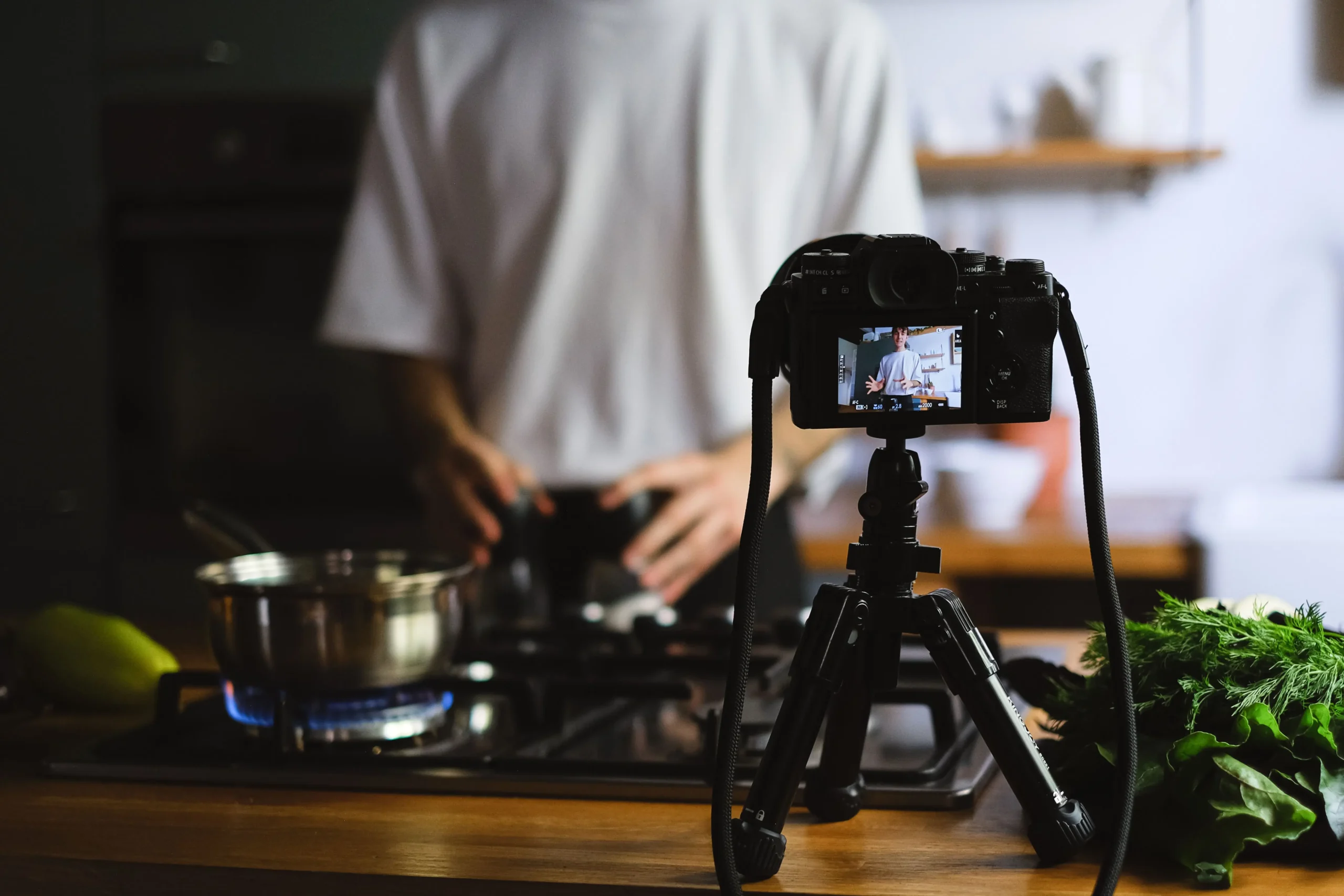
Strong restaurant pages focus on useful content instead of volume. Behind-the-scenes preparation, menu updates, chef decisions, and service details often perform better than endless close-up food shots. Customers want context around the food, not just another photo of grilled meat or pasta.
Timing also shapes results more than people think. Lunch promotions posted late at night rarely perform well because customers already planned the next day’s meals. Content needs to match how people decide where to eat during the week.
Restaurants should also avoid copying trends too late. Viral audio or repeated memes often look outdated once every café and bar uses the same format. Good content reflects the restaurant itself instead of chasing every short-term trend online.
Customers Trust Restaurants That Feel Active
An inactive page creates doubt immediately. Diners assume the restaurant closed, slowed down, or stopped caring about customers when updates disappear for weeks. Even strong restaurants lose momentum when their online presence looks abandoned.
Read more: Restaurant Reputation & PR: Building Credibility Over Time
Activity does not mean posting constantly. Simple updates about menu changes, service hours, seasonal dishes, or staff moments help customers feel connected to the restaurant. These small details build familiarity over time.
Replying to comments and messages also shapes public perception. Customers remember restaurants that respond clearly and politely when problems happen. Silence during complaints often creates bigger damage than the original issue itself.
Photos matter too, but not in the polished advertising sense many owners expect. Customers trust images that look current and believable. Over-edited visuals often confuse expectations once diners arrive and see something different in person.
Restaurants that maintain steady communication usually recover faster during slow periods. Customers already feel familiar with the brand, so returning becomes easier after holidays, renovations, or menu adjustments.
Good Social Media Helps Restaurants Stay Relevant
Restaurants disappear quietly all the time. The food might still taste good, but customers stop thinking about the place because nothing reminds them to return. Social media keeps restaurants visible between visits.
This visibility matters more during difficult business periods when competition tightens across delivery apps, booking platforms, and food districts. Restaurants with weak online presence often rely completely on foot traffic, which becomes risky during slower months.
Consistent communication also helps media attention later. Journalists and creators usually check social pages before deciding whether a restaurant feels active enough to feature. A neglected account raises concerns about consistency and customer interest.
Media Grid often sees restaurants focus heavily on opening promotions while ignoring long-term communication afterward. The smarter approach keeps social media steady throughout the year so customers continue hearing from the restaurant naturally. Owners should focus on cooking and service while their online presence continues supporting the business every week.