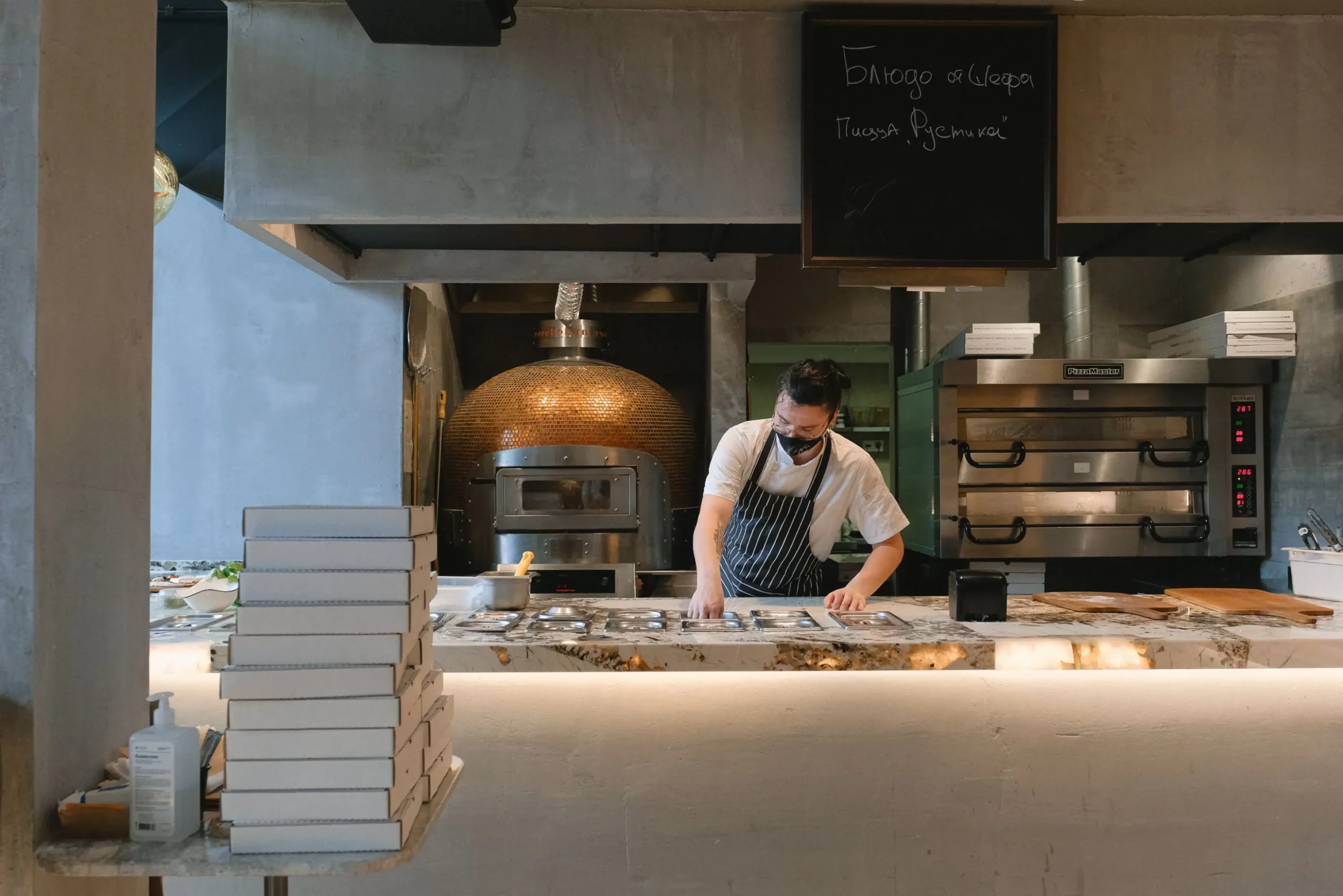
Opening a new restaurant in Singapore involves hundreds of decisions, from selecting the right crockery to finalizing the wine list. However, one of the most critical strategic choices you will make happens before the public even takes a bite: how you introduce yourself to the market. This decision typically boils down to soft launch vs hard launch PR.
Choosing the right approach can define your opening months. A mismatched strategy can lead to overwhelmed staff, disappointed customers, or worse—an empty dining room. Understanding the nuances of each approach helps you align your public relations with your operational readiness.
Understanding the Soft Launch Approach
A soft launch is essentially a “dress rehearsal” with a paying audience. It involves opening your doors quietly, often with limited hours or a reduced menu, and minimal marketing fanfare. The goal isn’t to pack the house immediately but to test your systems in a real-world environment.
The primary benefits of soft launch PR lie in risk management. In the F&B industry, first impressions are notoriously difficult to reverse. If you open with a bang but your kitchen ticket times are slow or your POS system crashes, that negative feedback spreads instantly. A soft launch allows you to iron out these kinks with a forgiving audience—usually friends, family, and locals—before the critics arrive. It gives your team the breathing room to build confidence and rhythm.
The Strategy Behind a Hard Launch

In contrast, a hard launch is designed to make a splash. This is the grand opening event, the ribbon-cutting ceremony, and the coordinated media blast. Hard launch PR strategies focus on generating maximum noise and excitement within a short window.
This approach is suitable for concepts that are polished and ready to go from day one. It often involves hosting a media tasting event, sending out press releases to major publications, and engaging influencers to post simultaneously. The aim is to create a “FOMO” (fear of missing out) effect that drives immediate foot traffic. For a high-concept bar in the CBD or a celebrity chef restaurant in Orchard, a hard launch signals confidence and prestige.
Soft Launch vs Hard Launch for Restaurants: Which is Right for You?
Deciding between a soft launch vs hard launch for restaurants depends largely on your operational confidence and your budget.
If you are a first-time restaurateur or working with a completely new team, a soft launch is almost always the safer bet. It protects your brand reputation while you fine-tune the guest experience. You can invite media later, once you are 100% sure the experience is flawless.
On the other hand, if you are an experienced operator with a seasoned team and significant overheads that require immediate revenue, a hard launch might be necessary to fill seats quickly. However, this high-reward strategy comes with high risk. You only get one chance to make a first impression on the media. If you invite a food critic to a hard launch and the service falters, the resulting coverage could be damaging.
Combining Both for Maximum Impact
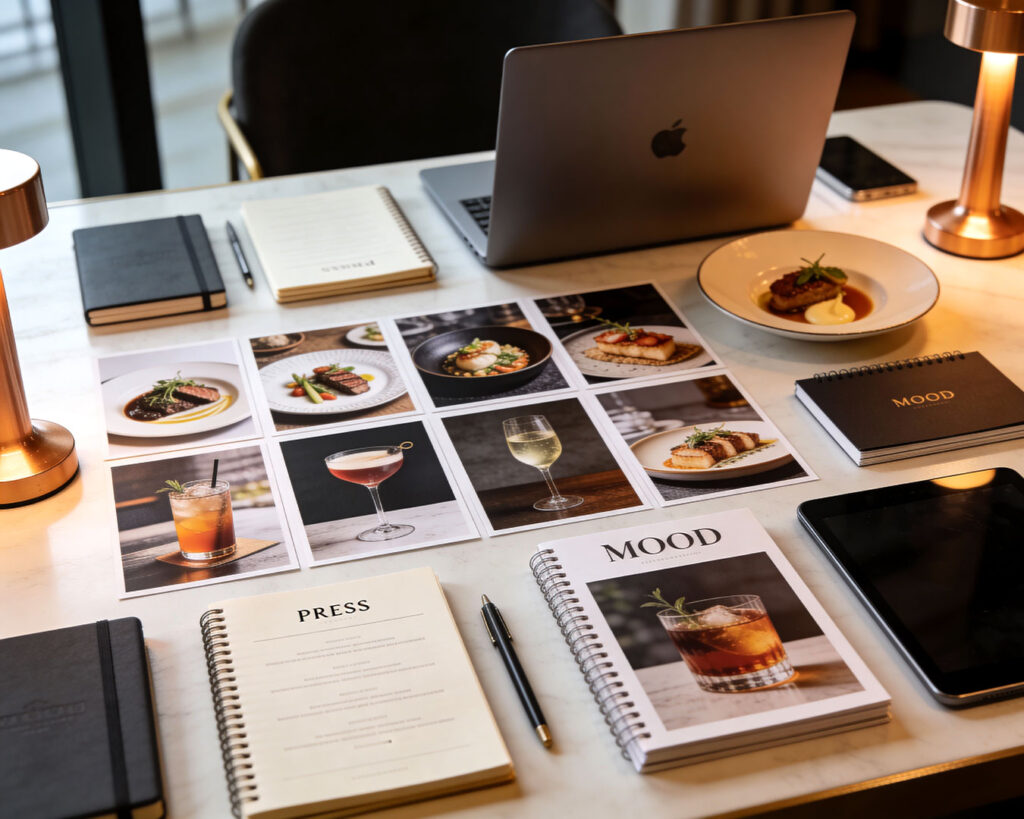
At Media Grid, we often recommend a hybrid approach. This involves a period of soft launch operations—perhaps two weeks—where you rely on word-of-mouth and walk-ins. During this time, we prepare the PR assets, organize photography, and refine the brand story.
Once operations are smooth, we then execute a “hard launch” regarding media outreach. We announce the official opening, invite journalists, and ramp up digital marketing. This strategy offers the best of both worlds: the safety of a soft opening with the marketing impact of a hard launch. It ensures that when the spotlight finally hits you, your team is ready to shine.
Operational Readiness Is the Key Variable

The success of a business largely depends on its operational readiness. This refers to the ability of a company to efficiently and effectively carry out its operations, deliver products or services, and meet customer demands.
In order to achieve operational readiness, it is essential for businesses to have proper planning and preparation in place. This includes having the necessary resources, systems, processes, and procedures in place to support the daily operations of the company.
One key factor that contributes to operational readiness is having a well-trained and competent team. It is crucial for employees to be properly trained on their roles and responsibilities, as well as any specific skills or knowledge required for their job. This will ensure
Ultimately, the choice of soft launch vs hard launch PR should be dictated by your operations, not just your marketing desires. PR creates demand, but operations must fulfill it. There is nothing worse for a brand than successful PR driving hundreds of customers to a restaurant that isn’t ready to serve them.
Navigating this timeline requires careful planning. You need to coordinate your kitchen training, your interior completion, and your marketing schedule perfectly. It is a complex dance, but one that is common in the industry and entirely solvable with the right guidance.
To master the timing of your rollout, check out our guide on How to Time Media Attention Properly for a Restaurant PR Launch.