It’s easy to get lost in the noise of a crowded food scene, but being small doesn’t have to mean being invisible. When a brand nails its storytelling, “tiny” becomes “exclusive,” and a strategic press push can turn a quiet side-street spot into the talk of the town. With the right story and approach, even a small kitchen can earn widespread recognition, especially through restaurant media coverage for small brands.
Small restaurants struggle because larger brands dominate feeds and ad spaces. Diners scroll past countless promotions every day, rarely stopping for a place without a buzz. Understanding how to get noticed without big budgets is what separates the ones that get talked about from the ones that don’t.
Start With A Story That Matters
Small brands get noticed when they tell a story that resonates. Journalists and diners both react to authenticity. It could be about a chef’s personal journey, a unique ingredient, or a concept built around sustainability.
The story must connect with how the kitchen actually runs. Media wants more than just a menu; they want to see why the restaurant exists and what makes it different. For instance, highlighting a commitment to local produce can make even a tiny restaurant feel relevant to city-wide dining trends.
Avoid generic claims. “Best food in town” or “cozy space” rarely convinces anyone. Focus on details that create a picture. Short sentences with clear imagery make it easy for journalists to write stories and for diners to share them.
Build Relationships With Local Media

For small restaurants, relationships matter more than budgets. Editors and food writers receive dozens of emails daily. They respond to brands that understand their beat and respect their time.
Invite journalists for tastings or walkthroughs, but don’t treat it as a sales pitch. Show how your restaurant operates, explain your concept, and answer questions honestly. Trust grows when media see transparency rather than gimmicks.
Consistent follow-up without pressure is key. Share new developments or seasonal menu updates periodically. Over time, this establishes credibility and increases the likelihood that your small brand appears in coverage.
Leverage Social Proof And Community Attention
Small restaurants can amplify their visibility through social proof. Positive diner reviews, community recognition, or even small awards attract media attention. When journalists notice that others are talking, they are more likely to cover the restaurant themselves.
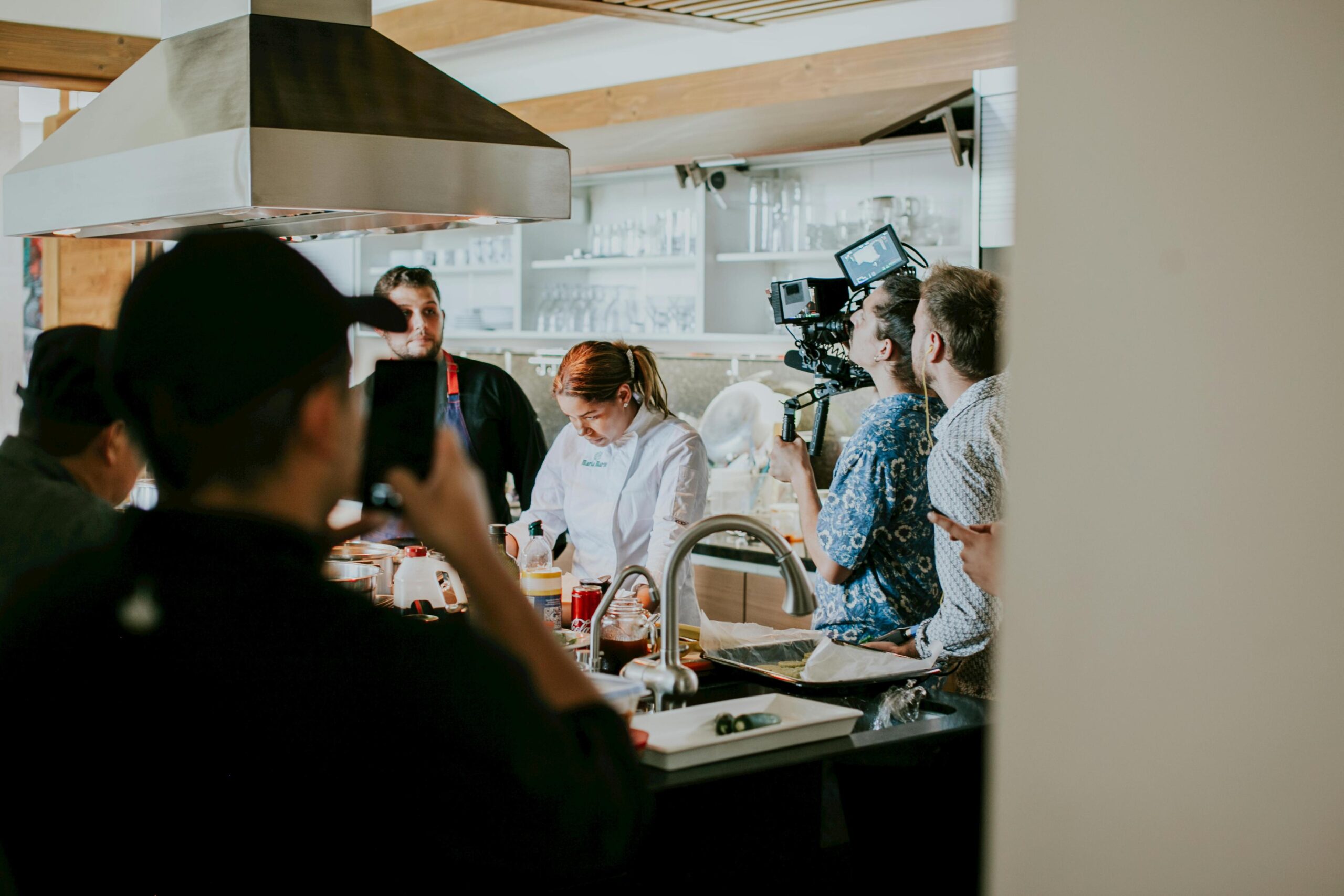
Encourage diners to share experiences on social media, but keep messaging consistent. Highlight real stories over staged promotions. A simple photo of a well-presented dish or behind-the-scenes glimpse of the kitchen can spark shares and attract journalists scanning for trends.
Engaging the local community also matters. Partnerships with local events or collaborations with nearby brands can create a reason for media to cover the restaurant. Small brands that feel connected to their neighborhood get more natural coverage than those that appear isolated.
Why Small Brands Should Focus On Visibility And Trust

Media coverage is not about one big story; it’s about consistency. Small brands that maintain authentic communication, clear stories, and visible engagement keep diners aware and interested. Coverage builds credibility, which translates into more reservations and repeat visits.
Media Grid manages this process for restaurants. They handle the public image while owners focus on cooking, ensuring the restaurant maintains a steady presence without the chaos of self-promotion.
Investing in authentic stories and small media relationships may not create overnight fame, but it ensures that even the smallest restaurant becomes part of the conversation. Consistent coverage, paired with genuine community connection, keeps seats full and the restaurant sustainable in the long run.