Editors do not feature restaurants just because the food looks good. They look for proof that a place is worth a reader’s time. Without clear trust signals, even strong kitchens get ignored.
Understanding trust signals matters for any restaurant asking how to get featured in media. It is not about hype. It is about showing real signs that your restaurant is stable, consistent, and worth covering.
Consistent Food Quality Across Visits
Media outlets want proof that food is not a one-off success. One good plate means nothing if the next visit feels different. Consistency is one of the strongest trust signals in food coverage.
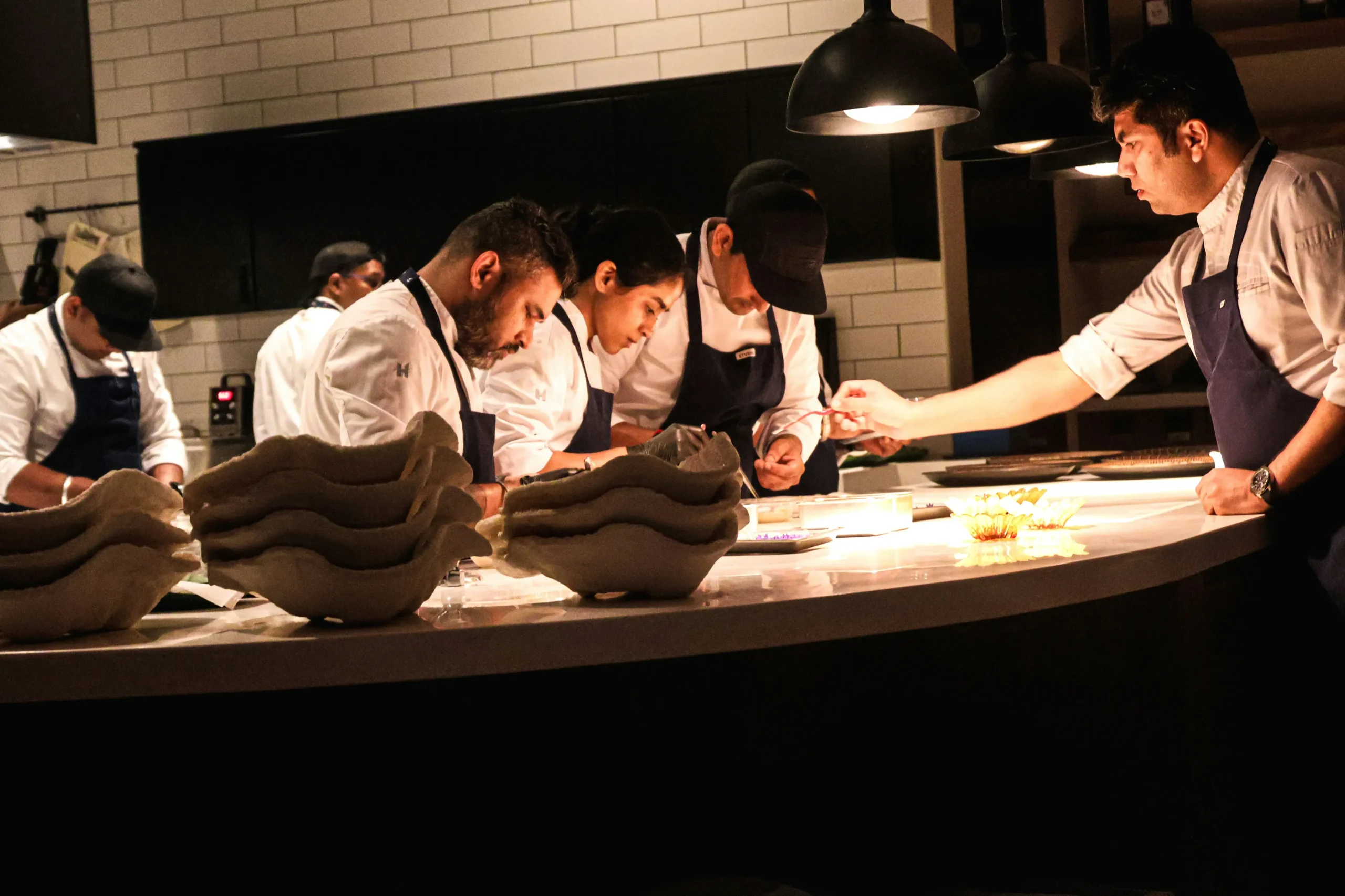
Editors often check more than one visit or rely on multiple sources before writing. They look for steady execution in how the kitchen actually runs, not just staged moments during media tastings.
If dishes change too often without clear direction, trust drops. A restaurant needs a stable base so journalists feel confident recommending it to readers without hesitation.
Clear Identity That Makes Sense Quickly
Restaurants that confuse people rarely get covered. Editors want to understand what the restaurant stands for within seconds. If the concept is unclear, the story becomes harder to write.
A strong identity is simple. It can be focused on one cuisine, one cooking style, or one clear idea. The more direct the identity, the easier it is for media to explain it.
Vague positioning creates doubt. If a restaurant tries to be everything at once, journalists struggle to find a clear angle. That usually leads to rejection, even if the food is good.
Visible Leadership Behind The Kitchen
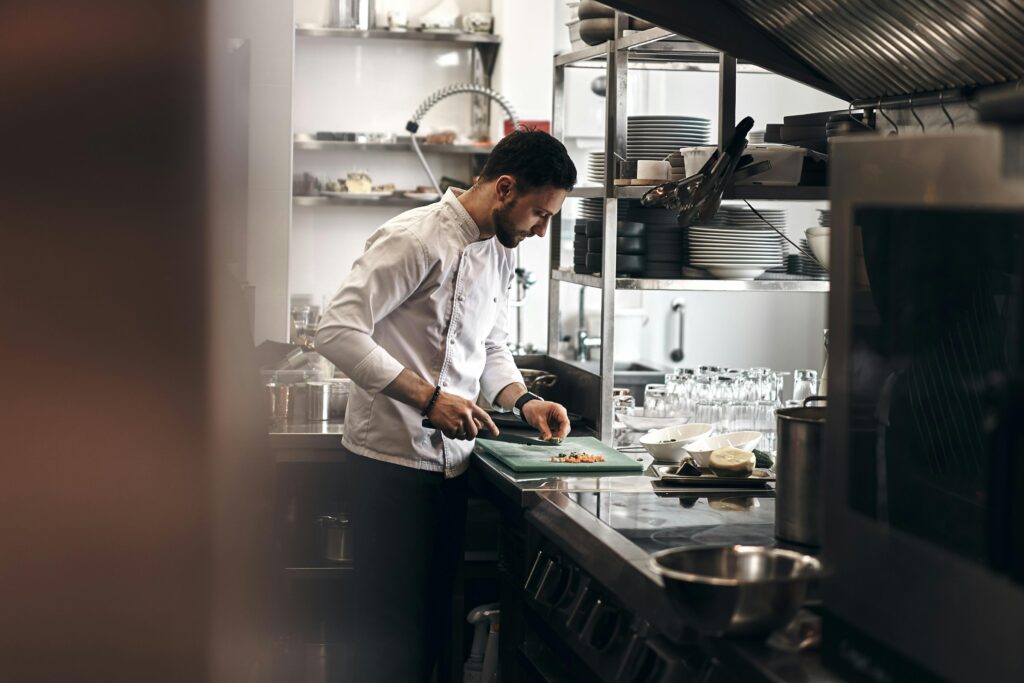
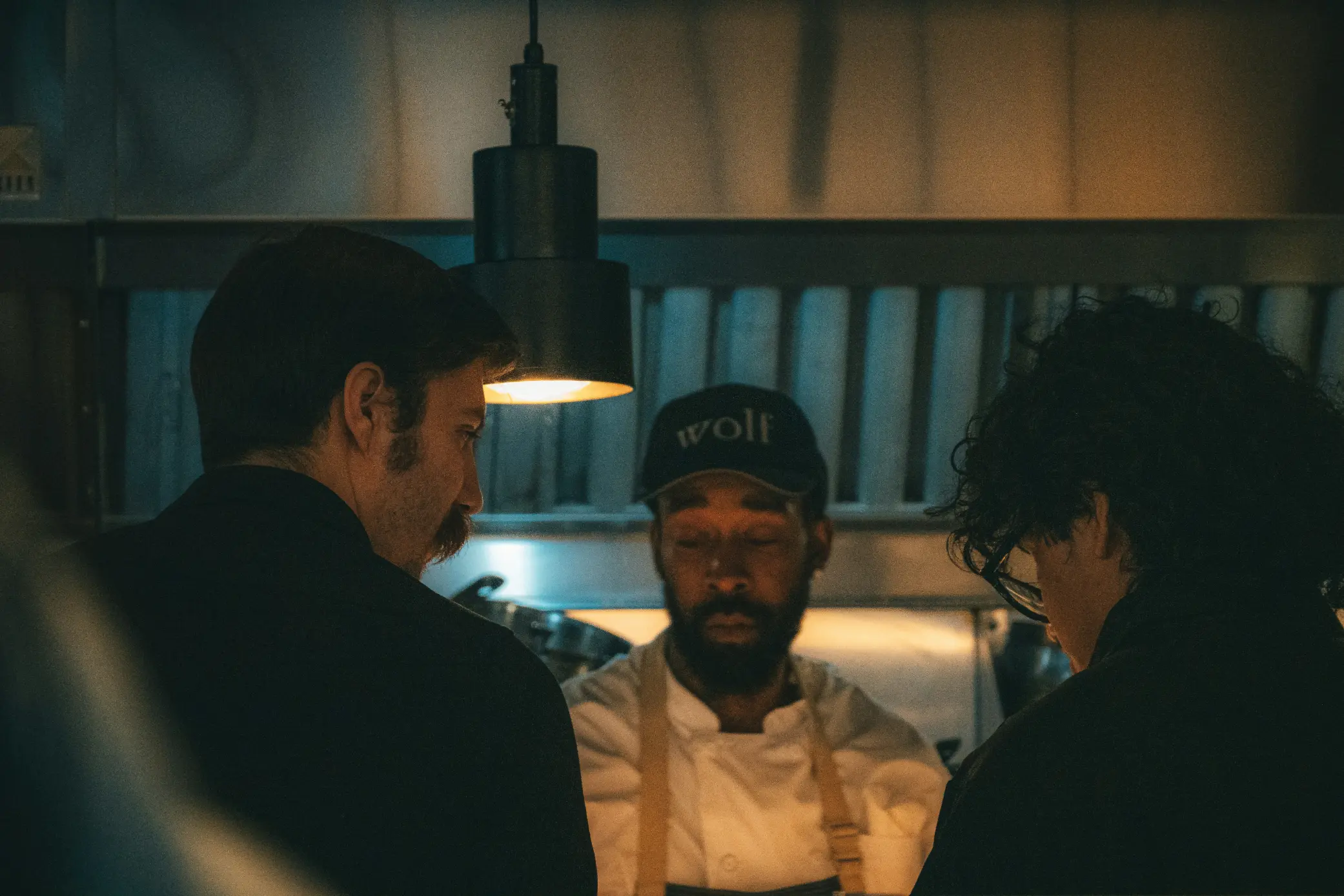
Media wants to know who is running the kitchen. A visible chef or owner gives the restaurant a human face and shows accountability, which builds trust. When leadership is present and active, it signals stability and makes it easier for editors to shape the story around a person, not an anonymous operation.
This isn’t about personality over substance; it’s about showing who is responsible for the food’s direction and quality. This transparency is key to earning coverage without gimmicks, as it demonstrates that someone stands behind the decisions made in the kitchen.
Real Customer Feedback That Matches Reality
Editors notice what customers say online. Reviews, comments, and repeat visits all signal whether a restaurant delivers what it promises. If feedback is mixed or unclear, trust drops quickly.
A strong pattern of real customer approval helps build confidence before a feature is written. Media often cross-checks public sentiment before deciding what to cover.
This is where food PR strategy connects with perception. If customers consistently describe the same strengths, editors see a clearer story worth sharing.
Proof Of Activity Beyond Opening Buzz
Restaurants that disappear after launch lose media interest fast. Editors look for signs that the restaurant is active, evolving, and still relevant after the opening phase.
Regular updates, menu changes with purpose, and ongoing engagement all act as signals. Without them, the restaurant looks static, even if the food is still strong.
This is also where Media Grid helps structure ongoing visibility so stories stay consistent and clear instead of fading after launch.
Strong Signals Make Coverage More Likely
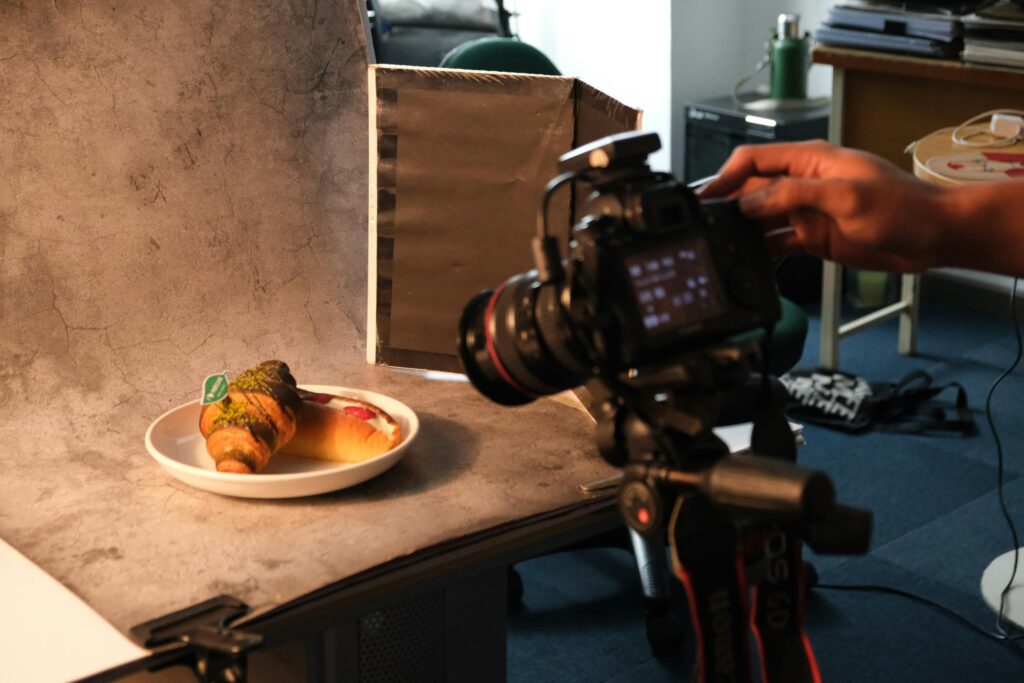
Trust signals do not guarantee coverage, but they remove doubt. Editors are more willing to feature restaurants that show stability, clarity, and real customer interest.
Media teams look for restaurants that make their job easier. Clear signals reduce risk and help shape stronger stories without guesswork.
Media Grid supports restaurants by refining these signals so communication stays clean and ready for publication. Strong signals improve chances of coverage and keep attention focused on what matters most, keeping seats full.