Most restaurant PR fails before it even reaches a journalist. The message is too long, too loud, or too empty. Editors read hundreds of pitches and spot exaggeration within seconds. When everything sounds big, nothing feels real.
Cutting hype is not about sounding plain. It is about saying what matters without stretching the truth. Strong restaurant PR Singapore work focuses on facts, timing, and clear detail that a journalist can actually use.
Hype Fails Because Editors See Through It Fast
Editors ignore generic claims. “New menu” or “better ingredients” is not enough. A restaurant needs a story that gives journalists a reason to care and readers a reason to visit.
Strong stories often come from real change inside the kitchen. A chef shifting direction, a focus on local suppliers, or a return to traditional cooking methods gives depth. These are easier to turn into articles than simple announcements.
This is where many restaurants miss out on restaurant promotion Singapore opportunities. They focus on what changed, not why it matters. Without that angle, even good food stays invisible.
Real Stories Come From The Kitchen, Not Marketing Copy
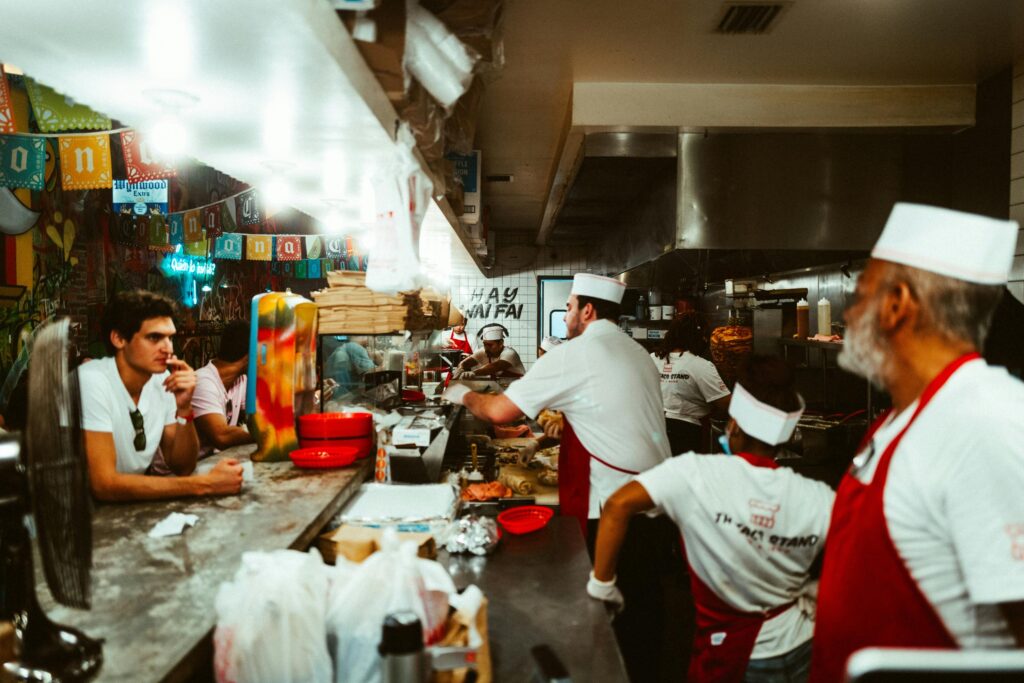
Strong PR starts with how the kitchen actually runs. Ingredients, processes, and decisions inside the team matter more than surface-level claims. These details create real stories that media can trust and publish.
A chef testing a new direction or a supplier change often says more than any marketing line. These are grounded facts, not shaped language. Editors respond better to what is real than what is polished.
Food media messaging works best when it reflects actual practice. If the story cannot be explained in simple terms, it is often too far from reality to be useful.
Simple Language Makes Stories Easier To Publish
When PR is stripped of hype, it becomes easier for journalists to work with. Clear sentences help them build articles faster and with fewer corrections. That increases the chance of coverage.
Overwritten pitches slow everything down. Editors spend more time trying to understand the point than deciding if the story matters. Simplicity keeps the focus on the restaurant, not the wording.
This is where many restaurants lose opportunities. They assume more words mean more impact, but in PR, clarity often wins over complexity.
Timing Matters More Than Extra Excitement
A good story with bad timing still gets ignored. Editors work around news cycles, seasonal trends, and current interest. If the pitch does not match the moment, it loses relevance quickly.
Restaurants often try to add hype when timing is off. That combination makes the pitch even weaker. No amount of excitement fixes a story that arrives too late or too early.
Better results come from matching updates to real moments. Seasonal menus, chef changes, or clear milestones work because they feel current without needing exaggeration.
Strong PR Is Built On Truth, Not Volume
Restaurants do not need louder messages. They need clearer ones. A simple, honest story often travels further than a heavily dressed-up pitch.
Over time, consistency in message builds credibility. Editors begin to recognise restaurants that speak plainly and deliver what they promise. That trust leads to repeat coverage.
Media Grid helps restaurants shape communication so it stays clear and grounded instead of inflated. With the right structure, PR stops sounding like marketing and starts sounding like something worth reading. That difference keeps seats full and builds long-term visibility.