Many restaurants try to sound impressive when speaking to the media. They add extra polish, stretch details, and focus on sounding bigger than they are. Editors see through this quickly, and readers feel it even faster.
Restaurant PR works better when stories reflect the real work happening inside the kitchen. Authentic stories aren’t louder. They’re clearer, more grounded, and easier for people to trust when deciding where to eat. This authenticity is a key factor in how food media chooses restaurants to feature.
Editors Can Spot Forced Stories Immediately
Journalists read hundreds of pitches every week. They quickly learn to filter out messages that feel exaggerated or shaped only for attention. Forced stories rarely make it past the first scan.
When a story sounds too polished, it raises doubt. Editors start asking what is missing or overstated. That hesitation is enough to stop coverage from moving forward.
Authentic stories avoid that problem. They focus on real changes, real people, and real decisions inside the restaurant. That makes them easier to accept and harder to ignore.
Real Kitchen Work Creates Stronger Angles
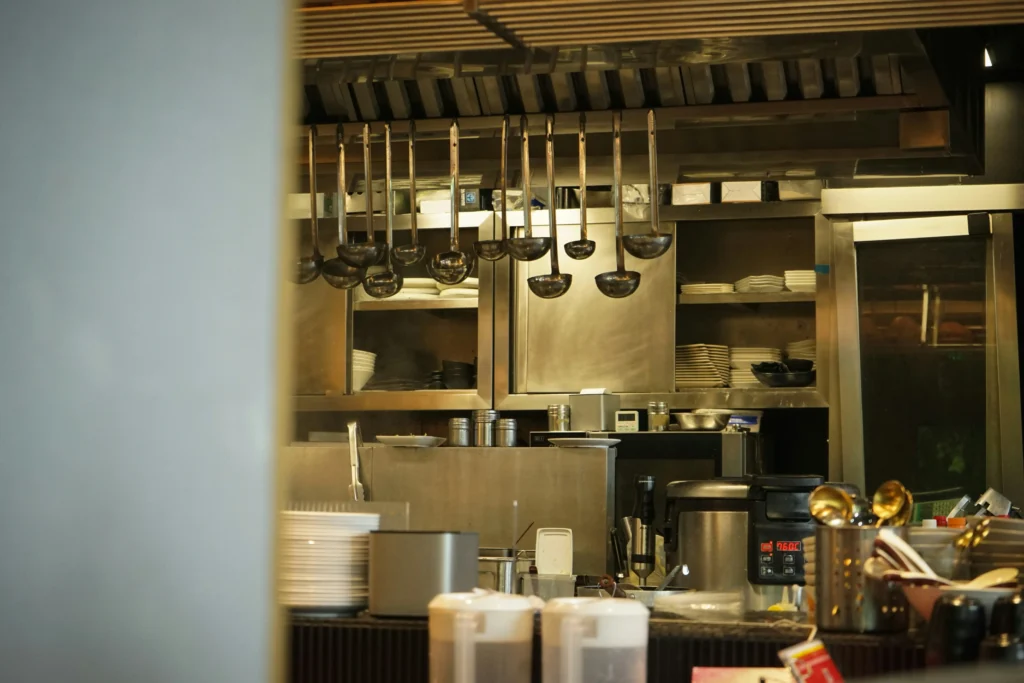
The best stories often come from how the kitchen actually runs. Ingredient sourcing, staff decisions, menu changes, and cooking methods all carry more weight than marketing claims.
A chef refining a dish over months says more than calling it a signature creation. A supplier relationship built over time tells a clearer story than vague statements about quality. These grounded narratives provide tangible proof of your restaurant’s commitment and values.
These details give structure to food PR messaging. They allow journalists to write with confidence because the story is based on facts, not decoration.
Diners Trust What Feels Honest
Customers are quick to notice when something feels forced. Overwritten stories or exaggerated claims often confuse your customers instead of attracting them. This is why a simple, straightforward narrative often performs better.
Honesty creates a stronger connection. When diners understand where food comes from and how it is made, they feel more confident choosing the restaurant. This confidence transforms a one-time visitor into a loyal patron.
That trust builds slowly but lasts longer. It also supports repeat visits, because people return to places they believe are real, not staged.
Media Coverage Depends On Believability
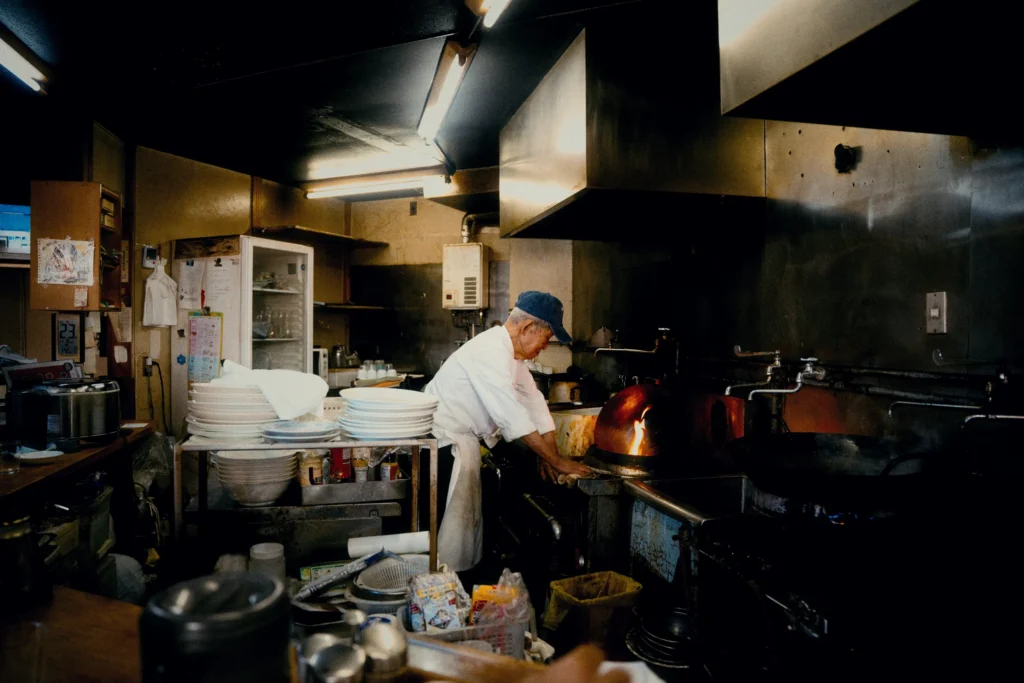
Editors do not just look for interesting stories. They look for believable ones. If a story feels too far from reality, it loses value even if the idea is strong.
Authentic storytelling helps media trust the restaurant. It reduces the need for fact checking or rewriting and makes the story easier to publish.
This is where many restaurants struggle. They focus on sounding impressive instead of being clear. Simplicity often performs better than heavy language or inflated claims.
Consistency Makes Authentic Stories Work Better
One authentic story is not enough. Consistency across all communication matters more than isolated efforts. Editors notice when messaging stays stable over time.
Restaurants that keep their tone grounded build stronger recognition. Their updates feel connected instead of random, which makes future coverage easier to secure.
This also helps internal clarity. When teams understand the same story, communication across marketing, service, and operations becomes more aligned.
Strong PR Starts With Real Stories, Not Noise
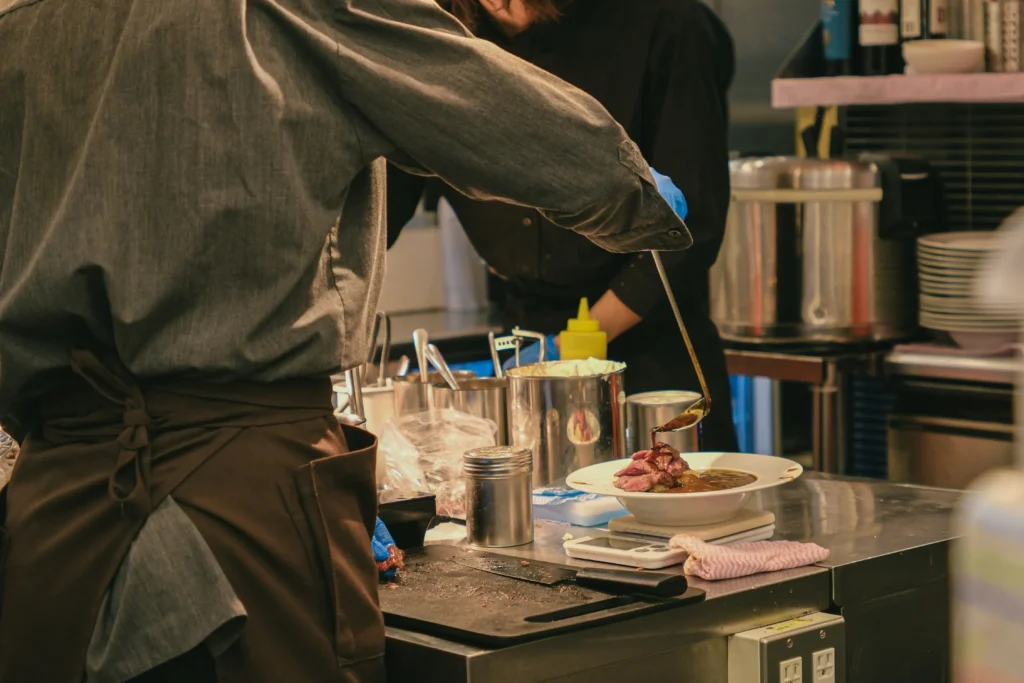
Authentic storytelling is not about removing personality. It is about removing unnecessary layers that hide what is actually happening inside the restaurant.
When stories reflect real work, PR becomes more effective. Editors respond faster, diners understand better, and the restaurant builds long-term trust instead of short-term attention.
Media Grid helps restaurants shape these real stories into clear communication that fits media needs. Owners stay focused on the kitchen while messaging stays honest and structured. Strong PR built on authenticity keeps seats full and supports steady growth over time.