Some restaurant owners believe sounding expensive makes their business look more credible. They borrow the language, photography, and messaging used by luxury restaurants, hoping customers will see them the same way. The result is usually the opposite. People notice when the public image does not match the dining experience.
Customers decide within minutes whether a restaurant feels genuine. If the branding promises exclusivity but the concept is built around quick comfort food, expectations fall apart before the first dish reaches the table. Good PR should reduce that gap, not widen it.
Your Restaurant Should Sound Like Itself
Every restaurant needs a public voice that reflects what happens inside the dining room. A family café, ramen shop, or neighbourhood bistro earns trust by communicating honestly, not by copying a fine dining script. Customers respond to businesses that know exactly who they are.
That consistency reaches every touchpoint. Menus become easier to understand, interviews feel more natural, and social media reflects the same personality guests experience in person. Journalists also find it easier to explain a restaurant with a clear identity.
Trying to sound more premium than the experience creates unnecessary confusion. Clarity is always easier to remember than imitation.
Fine Dining Stories Work Because They Fit The Concept
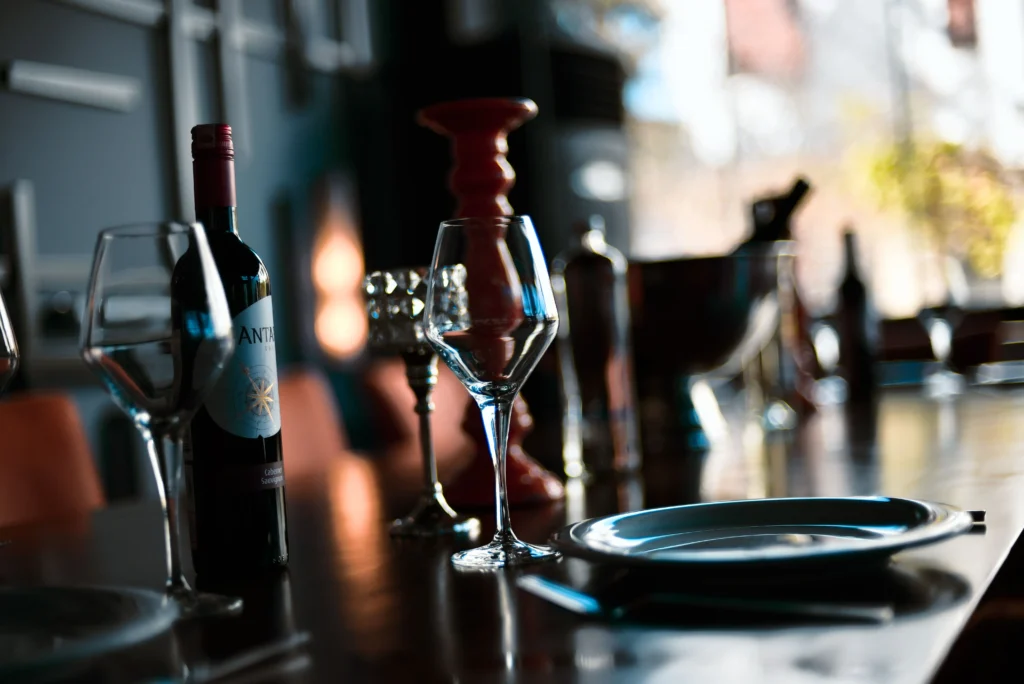
Luxury restaurants usually receive attention for reasons tied to their format. They might introduce a respected chef, showcase rare ingredients, or present highly technical cooking. Those stories fit because they reflect what customers are paying for.
Most restaurants have different strengths. They earn loyal customers through welcoming service, consistent quality, generous value, or strong community support. Those qualities deserve attention because they represent the business honestly.
The strongest stories come from real strengths, not borrowed prestige. Restaurants become more memorable when they stop competing with concepts they were never built to resemble.
Copying Another Brand Hides What Makes You Different
When restaurants imitate successful competitors, they slowly erase their own identity. Every announcement starts sounding familiar, every social post blends into the next, and every interview repeats the same polished phrases. Customers struggle to remember which restaurant said what.
Distinctive businesses rarely chase someone else’s image. They understand their audience, speak plainly, and focus on the qualities guests already appreciate. That creates recognition long before a customer returns for another meal.
Being different does not require being dramatic. It requires being consistent enough that people immediately recognise the restaurant without seeing the logo.
Authentic PR Creates Stronger Long Term Results
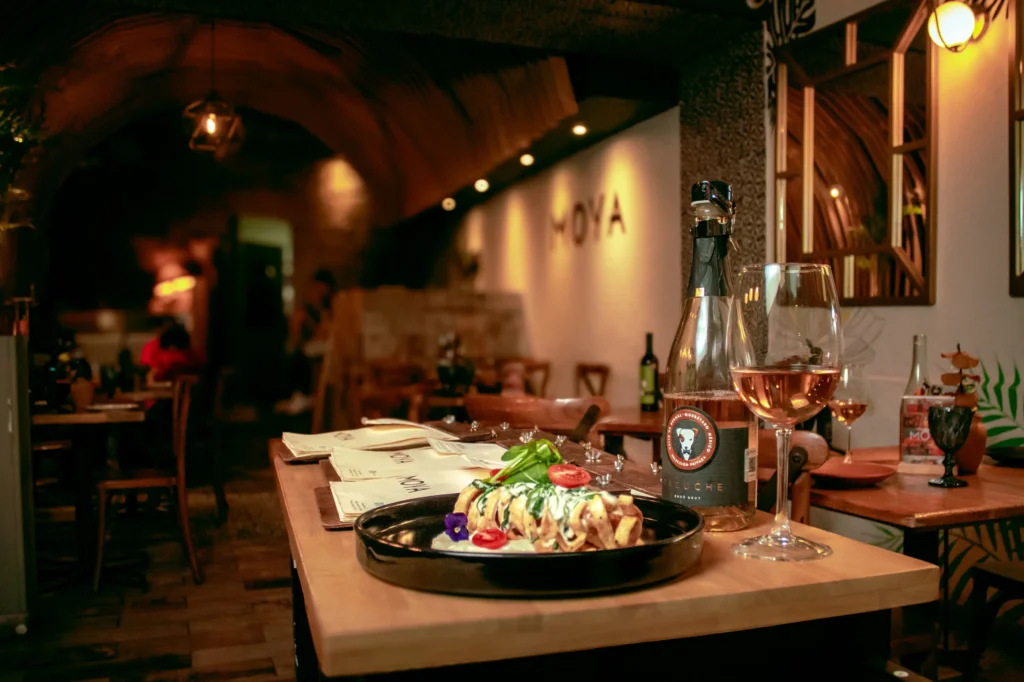
Restaurants with clear identities build stronger reputations because every public message supports the same experience. Customers know what to expect before they arrive, and those expectations are usually met. Trust grows through repetition instead of surprise.
This becomes more valuable every year as diners compare dozens of restaurants before making a booking. Businesses that communicate honestly stand out because they give customers confidence instead of uncertainty.
Media Grid helps restaurants shape stories that reflect who they already are instead of copying someone else’s success. Owners stay focused on running the kitchen while the public image grows from genuine strengths that customers recognise and remember.