Hiring a PR agency feels like it should solve the problem on its own. Sign the contract, hand off the brand story, and wait for the write-ups to roll in. But that’s rarely how it actually plays out, and understanding why can save a lot of frustration down the line.
A restaurant can hire the best PR agency available and still end up disappointed. The problem is often not the agency itself. It is the relationship between both sides and how they work together every week.
Many owners expect PR to run on autopilot after signing a contract. They assume updates will appear, journalists will respond, and media coverage will arrive without much involvement. Good results rarely happen that way because strong PR depends on steady communication, shared goals, and trust.
Oh, and before you go any further, you might wanna read Real Talk on What a Food PR Agency Can and Can’t Do. It’s a solid companion read for everything above.
Both Sides Need Clear Roles
The best agency relationships begin with simple expectations. Everyone knows who approves interviews, who provides photos, who answers questions, and who keeps projects moving. Small delays quickly become larger problems when these responsibilities stay unclear.
A restaurant understands how the kitchen actually runs, while a PR agency understands what journalists need to tell a useful story. Neither side replaces the other. They work best when each respects the other’s expertise and responds quickly when information is needed.
When both teams know their role, fewer mistakes happen and opportunities move forward without unnecessary delays.
Honest Communication Solves Problems Early
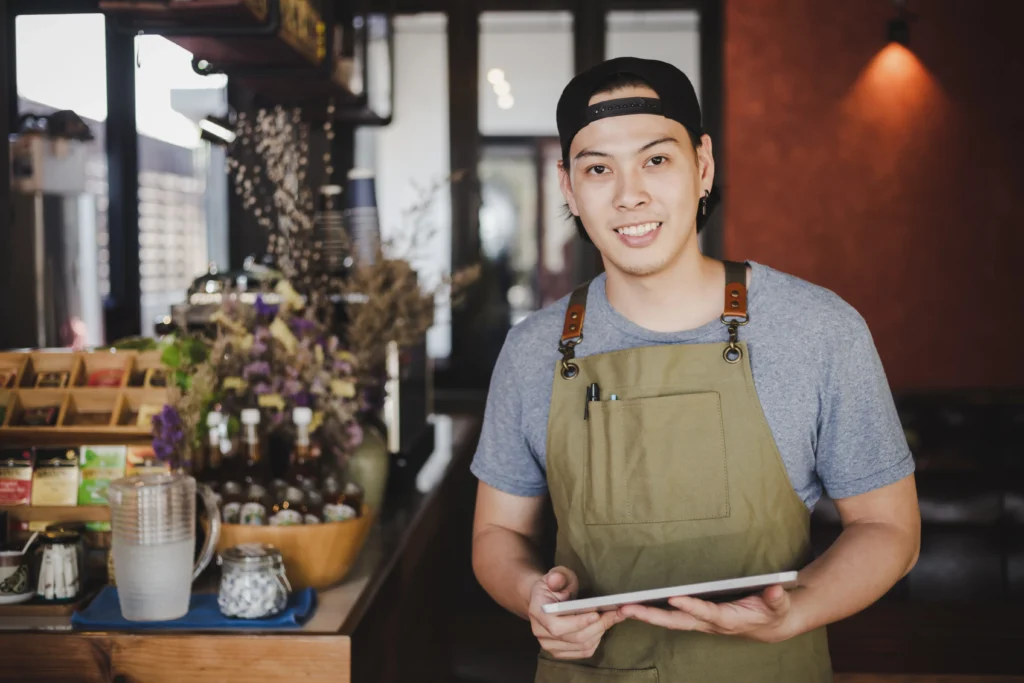
Every restaurant has slow periods, staff changes, supplier issues, or menu ideas that never reach the dining room. Hiding those situations from a PR agency usually creates bigger problems later because campaigns end up based on outdated information.
Regular conversations keep everyone working from the same facts. A short weekly update often prevents confusion before it reaches journalists or customers. Even sharing bad news early gives the agency time to adjust plans instead of reacting after the damage is done.
Trust grows when both sides speak honestly instead of trying to protect appearances.
Good PR Takes Planning, Not Constant Pressure
Restaurant owners sometimes ask for media coverage every week because they feel busy businesses should always appear in the news. Editors do not work that way. Most stories need a genuine reason to exist before they deserve attention.
Planning several months ahead produces stronger results than rushing every announcement. Seasonal menus, chef appointments, anniversaries, community work, or thoughtful collaborations create natural opportunities that fit editorial calendars much better than random requests.
A good agency also knows when to stay quiet. Saving a story for the right moment often produces stronger attention than forcing publicity before the timing makes sense.
Long-Term Partnerships Create Better Results
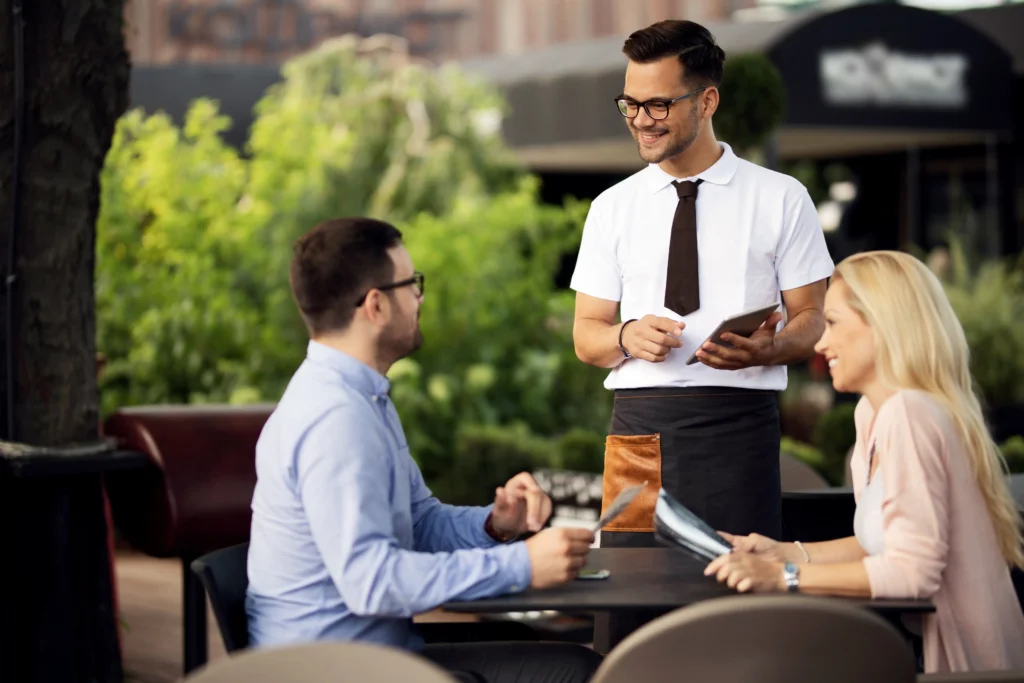
Relationships improve as agencies learn how a restaurant thinks, serves guests, and makes decisions. Over time, pitches become sharper because they reflect the restaurant accurately instead of relying on assumptions. Journalists also gain confidence when they receive reliable information from familiar contacts.
Restaurant owners should judge an agency by the quality of advice as much as the number of published stories. Honest feedback, realistic expectations, and thoughtful planning create stronger results than constant promises or dramatic claims.
That steady approach becomes more valuable each year as competition grows across Singapore’s dining scene. Media Grid focuses on helping restaurants present clear, believable stories while owners concentrate on serving guests and running the business well. Strong PR relationships do not depend on luck. They depend on trust, consistency, and two teams working toward the same goal.