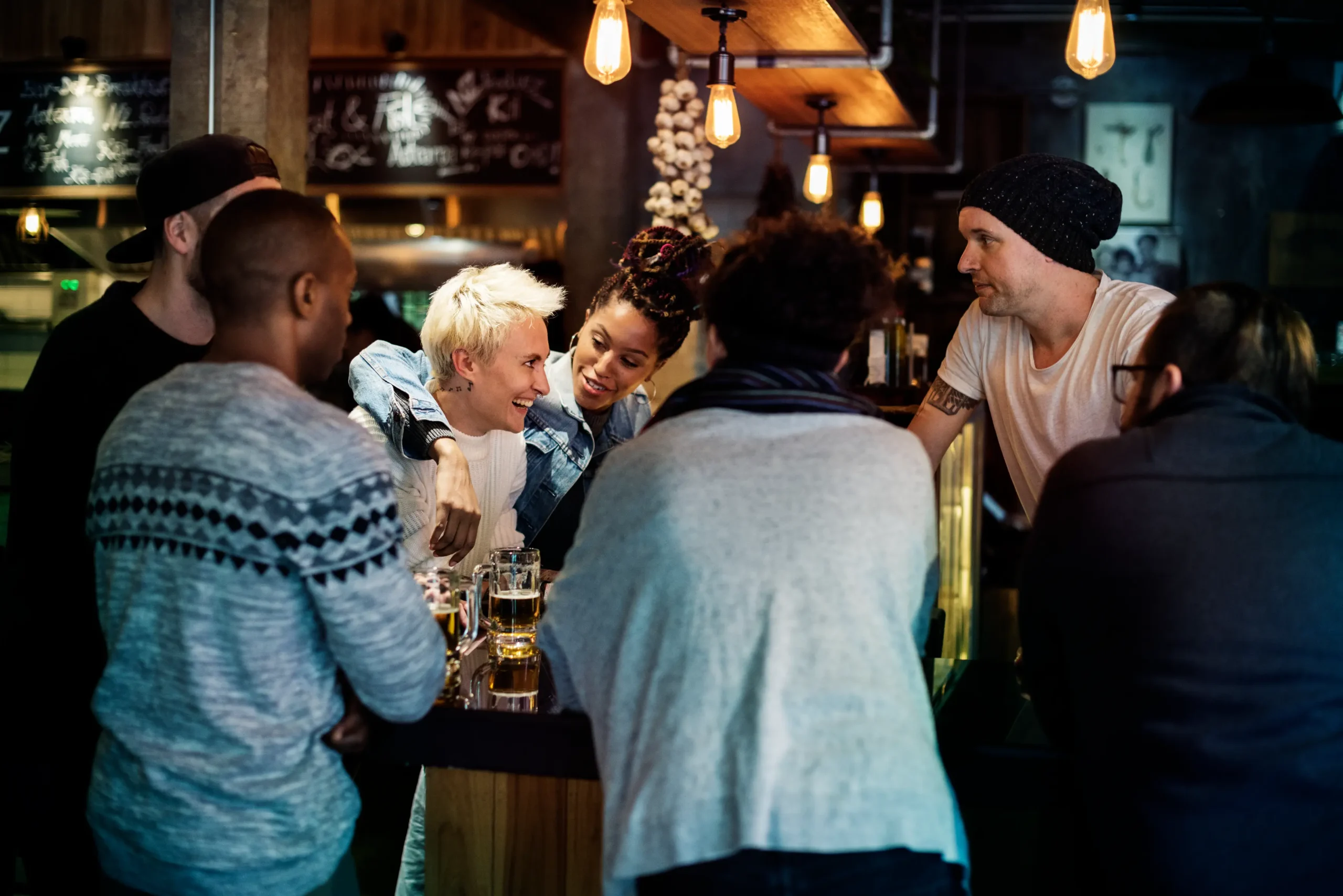
Most restaurant owners call a PR agency the week before opening day. By then, the local media outlets that matter have already filled their calendars. Food writers plan features weeks in advance, and a press release sent five days before opening night lands in an inbox nobody has time to read.
Picture this: your new restaurant has a beautiful space, a strong menu, and a head chef who has been testing signature dishes for months. But nobody outside your team knows any of it exists. That gap between a great restaurant and an empty dining room during opening week is almost always a PR problem, not a food problem. It’s the same story we see across restaurant PR Singapore work: good food rarely struggles, timing does.
Your Pre-Opening Press Release Needs More Than Opening Week
A press release written the week of your grand opening tells a reporter almost nothing they can use. Good food writers need lead time to pitch their editors, shoot photos, and fit your restaurant opening into a print or online schedule that was set a month ago. Sending your restaurant press release only during opening week means you missed every one of those windows.
The pre-opening phase, ideally four to six weeks out, is when you share opening details that let a journalist build a real story. That means your concept, your executive chef’s background, a few menu items worth naming, and high quality photos that don’t require a rushed site visit. Restaurant owners who wait until opening day to hand over this information are asking overworked writers to do their homework for them.
This is also the stage where you plan coverage instead of hoping for it. A soft opening two or three weeks before the public grand opening gives food critics and food bloggers a reason to visit early, form an opinion, and have something ready to publish once your doors officially open.
Media Relations And Press Coverage Take Time To Build For A New Restaurant
Media relations is not a single email. It is a set of relationships built over weeks with the food writers and local media who actually cover your market. A reporter who has spoken with you before opening day will respond quickly when you need press coverage during the first month.
Restaurant launches that skip this step often rely on a single announcement post and hope it spreads through social media on its own. That rarely produces the national outlets or lifestyle publications
most restaurant owners actually want. Building those media relationships early means your team has more than one person to call when opening week finally arrives.
A Good PR Agency Handles PR Strategy, Opening Details, And Media And Influencers
A PR strategy is simply a plan for who hears about your restaurant, and when. A PR agency worth hiring maps out your opening details early: the opening date, opening hours, the guest list for opening night, and a lead paragraph that captures your unique concept in one sentence a journalist can actually use.
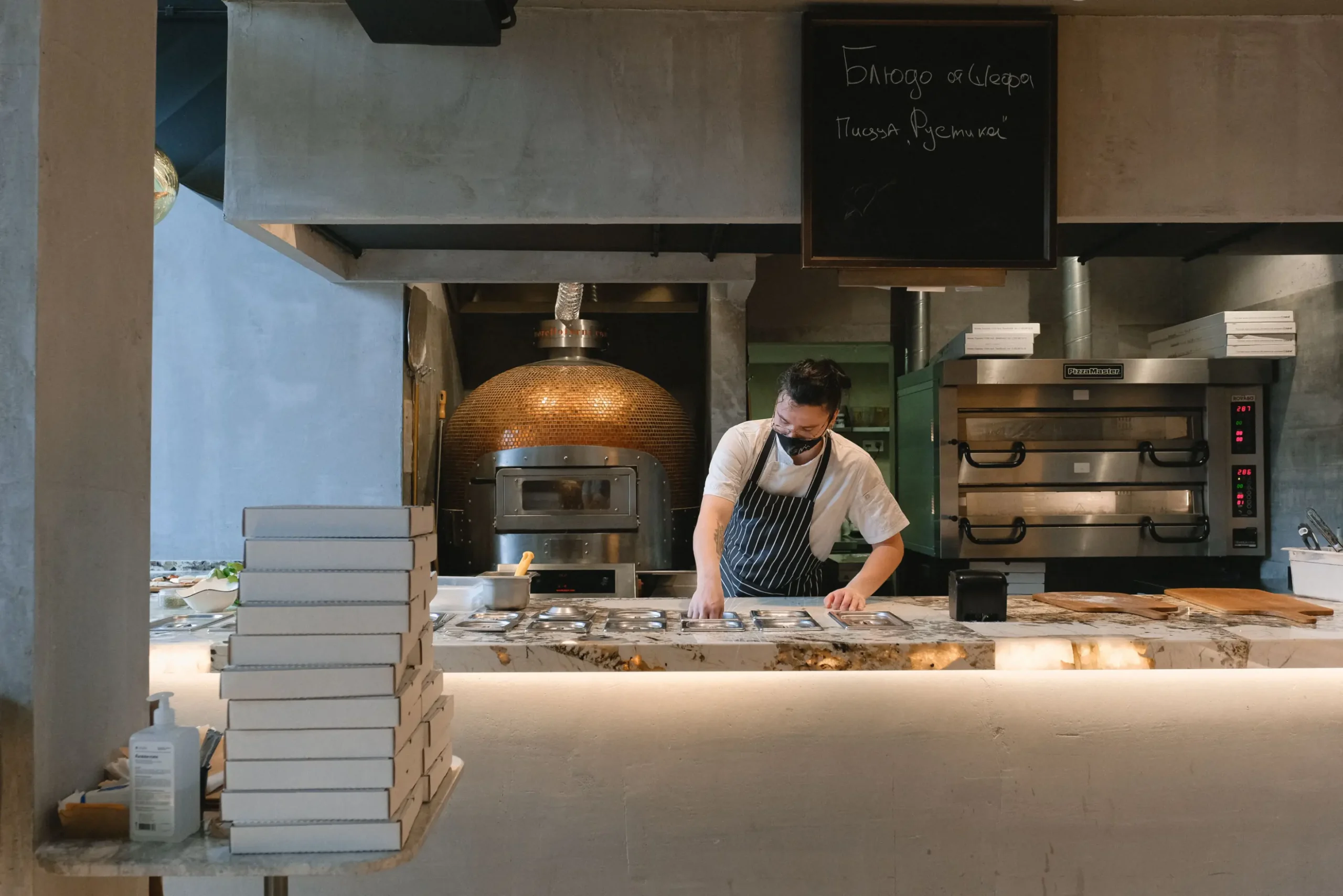
Media and influencers need different things from your press materials. A journalist wants specific details and a menu preview. An influencer wants interactive content and a photogenic open kitchen. A PR agency that understands both audiences builds one page of press materials that serves each group without confusing your customers.
Opening Night Should Feel Like A Real Restaurant Grand Opening

By the time opening night arrives, all the planning from the weeks leading up to it should already be paying off. Guests who read about your new restaurant on a food blog, a friend who saw a post from your first wave of coverage, and a food critic who visited during your soft opening all walk through the same doors that evening.
A restaurant grand opening handled this way rarely needs a second campaign to fill seats in its first month. The story was already told before the first plate went out.
This is exactly the kind of planning Media Grid does with restaurant owners across Singapore, starting the PR strategy weeks before launch instead of scrambling during opening week. A new restaurant only opens once, and how you handle the market’s first impression usually decides how full your tables are next year.