Many restaurants spend heavily on ads, then wonder why the buzz fades the moment the budget stops. In Singapore, diners are flooded with promotions every day, and most paid posts disappear into the scroll within seconds. That is why the question of marketing versus PR matters more than many owners think.
Restaurant marketing pushes messages out fast. PR works slower, but it builds trust in a different way. When a restaurant is featured in trusted press, the attention often lasts longer because diners see it as earned, not bought.
You might be interested in Walking Through Your First Month with a PR Agency.
Marketing Works Faster When You Need Immediate Sales
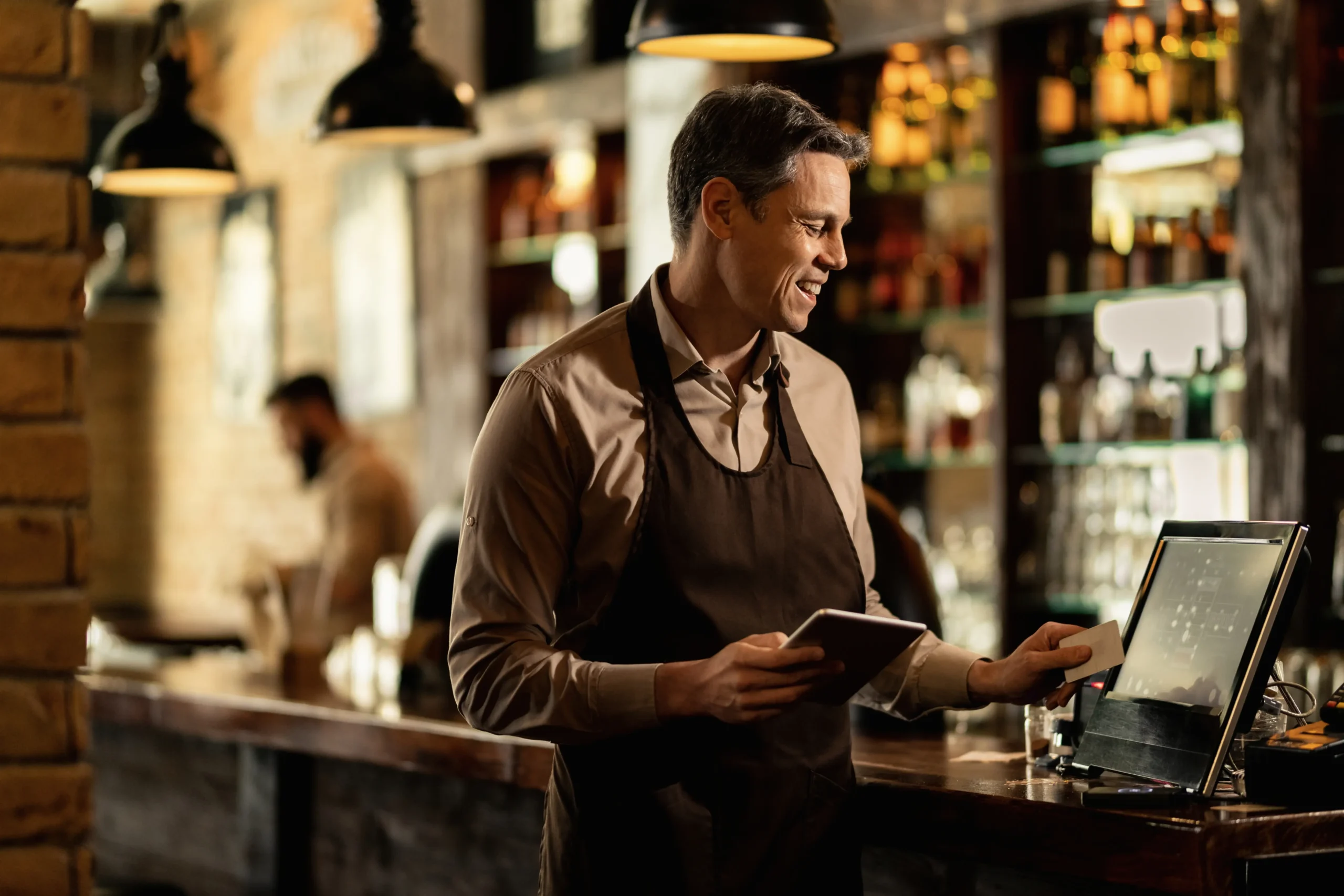
Marketing is useful when a restaurant needs quick traffic. Paid ads, social media promotions, and discount campaigns can fill empty tables during slow periods or support a new launch. Results are easier to track because owners can measure clicks, bookings, and coupon use almost immediately.
This speed comes at a cost. Once the ad spending stops, the attention often stops too. Restaurants that rely only on marketing often find themselves trapped in constant spending just to stay visible.
Marketing also struggles when every competitor is doing the same thing. If ten nearby restaurants are all buying ads for lunch deals, diners stop noticing the difference. Paid reach gets crowded fast, especially in dense food districts.
PR Builds Trust That Ads Cannot Buy

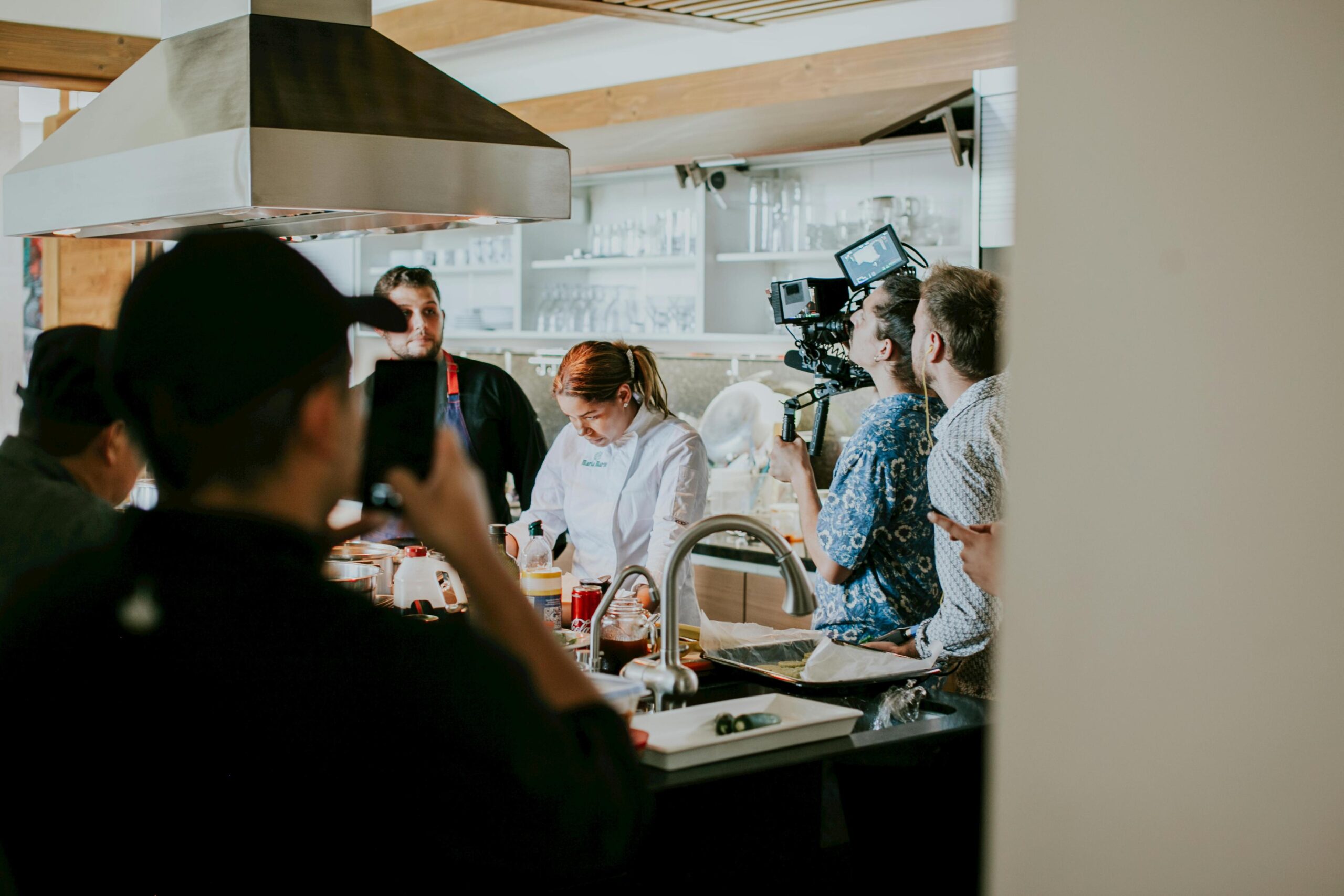
PR works differently because it depends on third-party attention. A newspaper feature, magazine mention, or online food article gives a restaurant credibility that paid ads rarely match. Good restaurant media coverage tells diners that someone else finds your restaurant worth noticing.
This matters in a city where diners often check reviews and articles before trying somewhere new. A write-up about your chef, concept, or menu story gives people a reason to trust you before they walk in. That trust often turns into stronger repeat business.
PR takes longer to build. Journalists need a real story, not just a sale pitch. A restaurant must have something worth talking about, whether that is a chef appointment, unusual menu launch, or a strong local angle.
The Best Choice Depends On What Problem You Need To Solve
If your dining room is empty next Tuesday, marketing is the faster tool. If your restaurant is unknown and needs long-term public trust, PR usually does more lasting work. These are not competing tools. They solve different problems.
A new restaurant often needs both. Marketing creates immediate awareness, while PR shapes reputation over time. One gets people through the door quickly. The other gives them confidence that the visit is worth making.
Owners make mistakes when they expect one method to do everything. Running ads without PR can make a restaurant look noisy but forgettable. Chasing press without any marketing support can leave good stories unseen by the wider public.
The Restaurants That Last Use Both Wisel

The strongest restaurants treat marketing as short-term fuel and PR as long-term reputation building. This balance matters even more when rent rises, food costs tighten, and diners become more selective about where they spend.
Media Grid helps restaurants manage the public image side properly, so owners stay focused on the kitchen instead of chasing headlines or buying ads blindly. A steady PR plan, backed by smart marketing, gives restaurants a better chance of staying visible next year and keeping seats full.
Restaurants that survive in Singapore rarely depend on one tool alone. The better question is not whether marketing beats PR. The better question is whether your restaurant is using each one for the right reason.