Singaporean diners are the toughest critics on the planet because they have seen every gimmick under the sun. They do not care about your mission statement or the expensive wallpaper you imported from Italy when the food tastes like an afterthought. If you are struggling to get press or social media attention, it is likely because your restaurant story angles are boring, repetitive, or just plain fake. You are probably shouting about things that matter to your bank account but mean absolutely nothing to the person looking for a good dinner.
Most owners think that being “passionate” is enough to get people through the door, but passion is the bare minimum in this industry. You need a hook that connects with the local appetite for something genuine and easy to understand. People want to know why you are cooking this specific dish and why they should spend their hard-earned money with you instead of the hawker stall downstairs. If your story feels like a polished sales pitch instead of a real conversation, people will see right through it and keep walking.
You Are Selling Recipes Instead Of Real People
The biggest mistake we see is a menu full of descriptions that read like a grocery list. Listing ingredients is fine for an allergen chart, but it does not make a customer feel any connection to your kitchen. You might think your truffle oil or hand-picked tomatoes are special, but every other bistro in the city is saying the exact same thing. When you focus only on the plate, you forget that people actually buy into the humans who are sweating behind the stove.
Instead of talking about the salt you use, talk about why your head chef spent three years obsessed with perfecting one specific sauce. Share the story of the dishwasher who worked his way up to the grill or the auntie who has been folding dumplings the same way since the seventies. These are the details that stick in a diner’s mind and make them feel like they are part of something real. Customers want to support people they like, so stop hiding your staff behind a wall of fancy food descriptions.
Your Concept Is Too Complicated To Explain In One Sentence
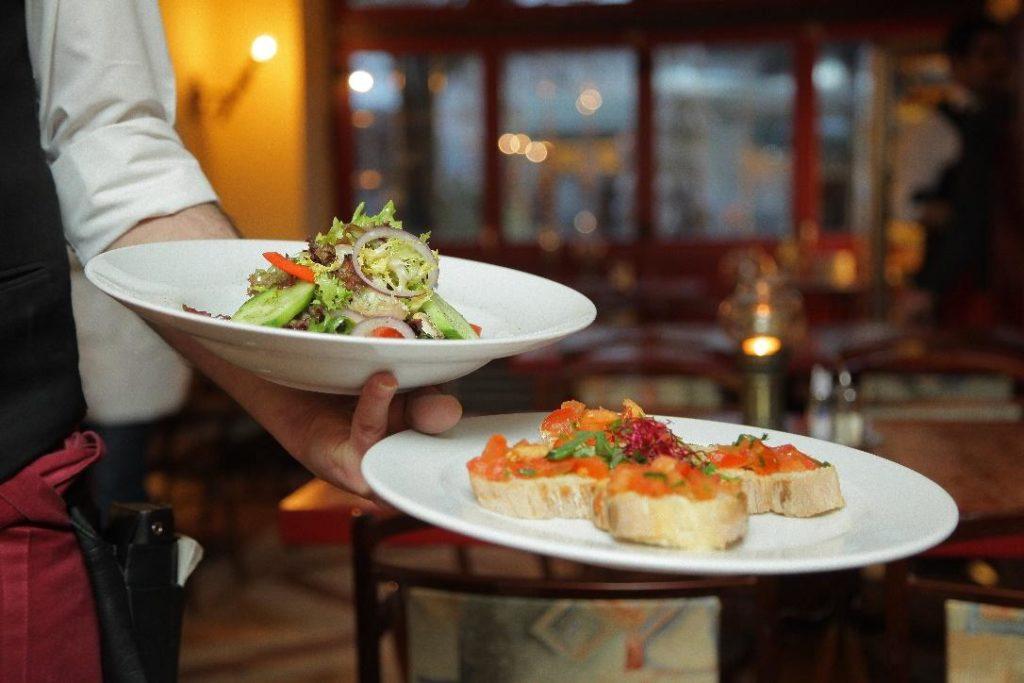
If you need a five-minute speech to explain what kind of food you serve, you have already lost the crowd. Many owners try to mash three different cuisines together because they think it makes them unique, but it usually just makes them confusing. When a customer asks what you do, the answer should be so simple that a hungry person can grasp it instantly. If your story is a messy mix of different ideas, no one will know what to expect when they sit down.
A confused customer is a customer who goes somewhere else where the choice is easy. You might think you are being creative by offering sushi, pasta, and tacos all in one space, but it just looks like you have no focus. Pick one thing you do better than anyone else and make that the core of your message to the public. Once you have a clear identity, it becomes much easier for the media to talk about you and for regulars to recommend you to their friends.
You Are Following Trends Instead Of Building A Foundation
The Singapore food scene moves fast, and it is tempting to jump on every new craze that pops up on social media. One week it is burnt cheesecake, and the next week everyone is obsessed with loaded bagels or oat milk everything. If your restaurant story is built on a trend, your business will die the moment that trend goes out of style. You end up looking like a copycat rather than a leader, which makes it impossible to build any long-term loyalty with your guests.
Relying on fads means you are constantly chasing a new audience instead of keeping your current seats full. A solid story is built on something that lasts, like consistent quality, great service, or a deep connection to a specific neighborhood. When you stop trying to be “cool” and start trying to be reliable, you create a brand that people can actually trust. Focus on the basics of good hospitality and let the TikTok crowds chase the next shiny object while you build a real business.
Being Honest Is The Only Way To Stay Open Next Year
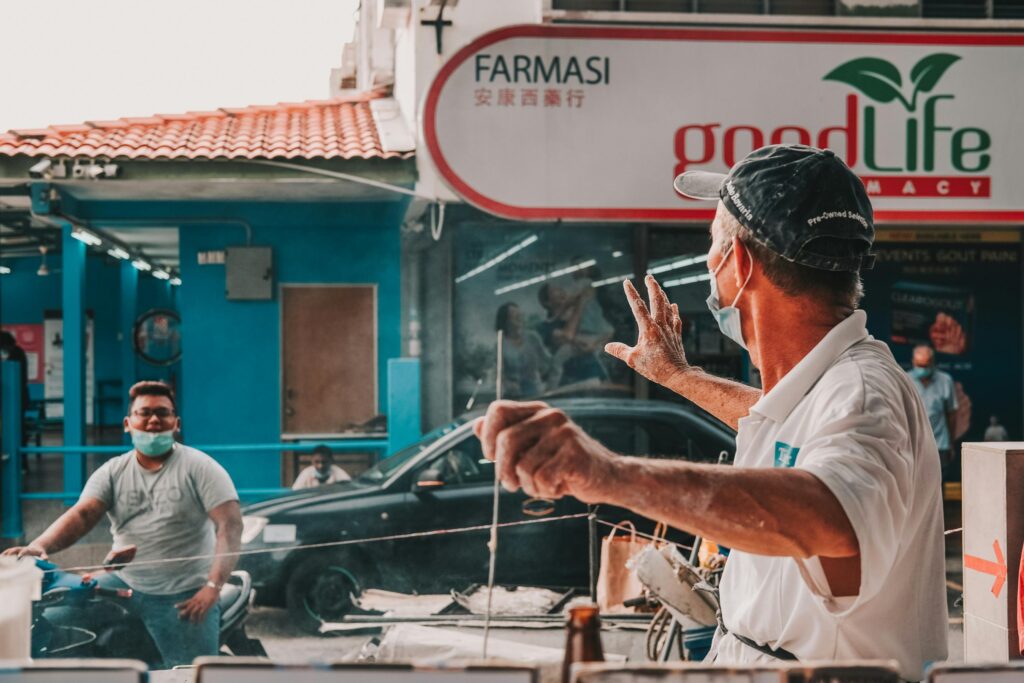
The restaurants that survive the next twelve months will be the ones that stop pretending to be something they are not. In an era where everyone is filming their meals, any lie you tell about your food will be exposed within hours. If you say your bread is made in-house but it clearly comes from a factory, you are destroying your reputation for a tiny bit of convenience. Honesty is the most valuable tool you have to keep people coming back when the initial hype of your opening finally fades away.
Running a kitchen is hard work, and there is no shame in admitting that you are still learning or that you value simplicity over showmanship. When you are honest about how the kitchen actually runs, you build a bond with your diners that goes beyond just a transaction. You handle the cooking and the flavors, and let a team like Media Grid handle the public image side of things so you do not have to worry about the PR. This lets you focus on the food while we ensure the right people hear the right version of your story.