
If you have ever wondered why a neighbouring restaurant appears in the papers while your carefully written press email gets no reply, you are not alone.
Many owners assume that coverage comes down to who has the loudest announcement or the newest opening. The reality inside newsrooms and editorial calendars is far more selective. Understanding how to pitch restaurant story ideas the right way is less about volume and more about clarity, relevance, and consistency.
Why Restaurant Stories Often Miss The Mark
Most restaurant pitches fail for a simple reason. They are written from the operator’s point of view, not the editor’s.
A common example is the all-purpose announcement email. It might mention a new menu, a refreshed interior, a celebrity visit, and a promotional discount in the same breath. From the sender’s perspective, everything feels important. From the editor’s side, nothing stands out.
Another issue is timing. Media outlets in Singapore plan content weeks ahead, especially lifestyle and food sections. A pitch sent two days before a soft launch in Orchard or a limited-time menu in the CBD often arrives too late to be useful.
Brand inconsistency also plays a quiet but damaging role. When a restaurant positions itself as a premium dining experience one month and a casual neighbourhood spot the next, editors struggle to understand where the story fits. Over time, these mixed signals reduce credibility.
What Editors Are Actually Looking For
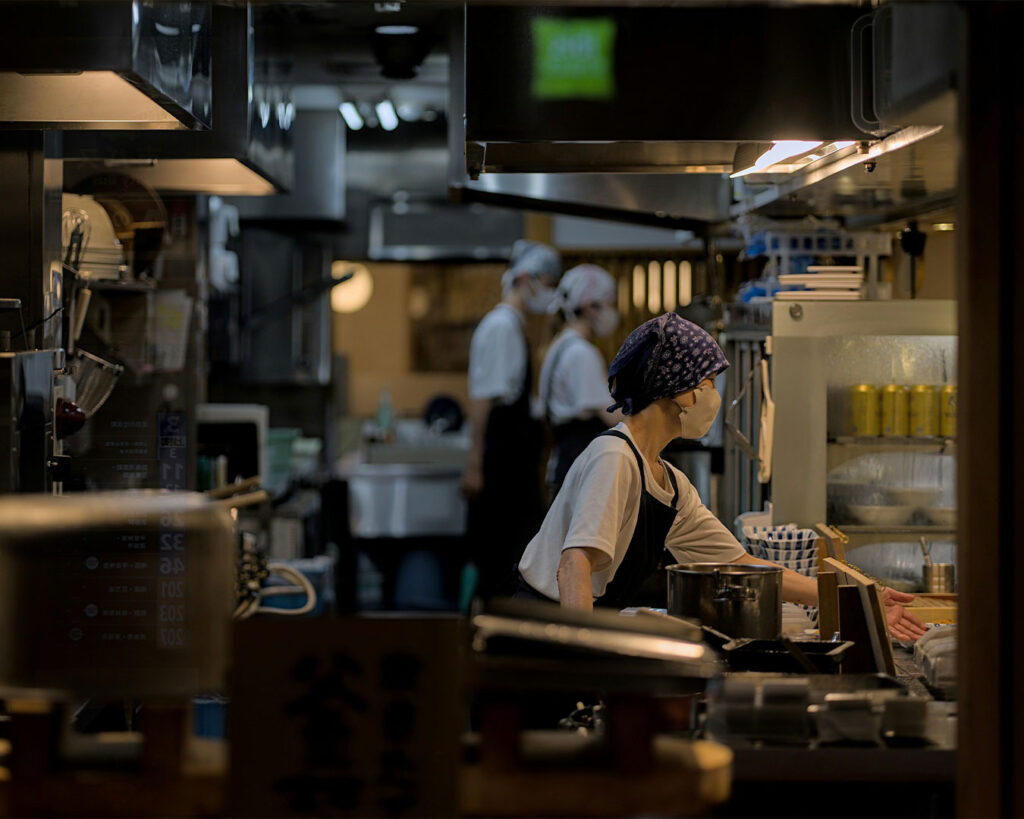
Editors are not searching for restaurants. They are looking for stories that fit their readers.
For a heartland-focused publication, a chef returning to their childhood neighbourhood may be more relevant than a high-profile investor. For a business or lifestyle desk, operational insights, sustainability practices, or long-term brand evolution often matter more than a single promotion.
This is where knowing how to pitch restaurant story ideas strategically makes the difference. A strong pitch answers three unspoken questions early.
Why does this matter now? Who is this for? Why is this restaurant the right example?
If these answers are not clear within the first few lines, the pitch is likely to be skipped, no matter how good the food may be.
A Strategic Approach to Pitching Restaurant Stories

A better approach starts before any email is written.
First, define the core narrative of the brand. Is the restaurant built around heritage, craftsmanship, innovation, or accessibility? This narrative should remain consistent whether the outlet is in a shopping mall, the CBD, or a residential estate.
Next, separate operational updates from story angles. Not every new dish or promotion needs media attention. Save pitching for moments that reinforce the brand narrative or reflect a broader trend. For example, a menu change tied to seasonal sourcing has more editorial value than a routine refresh.
When shaping the pitch itself, focus on one clear idea. Avoid listing multiple angles in the same message. A single, well-framed story is easier for an editor to place and develop.
Language also matters. Avoid exaggerated claims or self-praise. Let facts and context do the work. Describing how a restaurant fits into a changing dining pattern in Singapore is often more persuasive than declaring it as a must-visit.
Finally, maintain consistency across touchpoints. The tone of the pitch, the brand visuals, and previous coverage should align. This signals professionalism and makes it easier for media to trust the story being presented.
Why Consistency Builds Long-Term Visibility
Media relationships are built over time. Editors remember brands that send thoughtful, relevant pitches and respect deadlines and angles.
Restaurants that regularly get featured in media often share one trait. Their messaging is steady. Even as menus evolve or locations expand, the core story remains recognisable.
This is where a considered restaurant PR strategy supports growth. Instead of chasing coverage for every announcement, the focus shifts to shaping perception over months and years. The result is fewer pitches, but stronger and more meaningful exposure.
Agencies that work closely with F&B brands see this pattern clearly. When operators align brand positioning with media expectations, pitching becomes more efficient and outcomes more predictable.
A More Effective Way Forward
Learning how to pitch restaurant story ideas well is not about adopting media jargon or chasing trends. It is about understanding how stories are selected and respecting the perspective of the people receiving them.
For restaurant owners, this often means stepping back from daily operations and viewing the brand through an external lens. What would make this restaurant relevant to someone who has never dined there?
Working with a communications partner that understands both the F&B landscape and the local media environment can help bridge that gap. With the right guidance, pitching becomes less reactive and more intentional.
Over time, that intention is what turns a single story into a consistent presence.