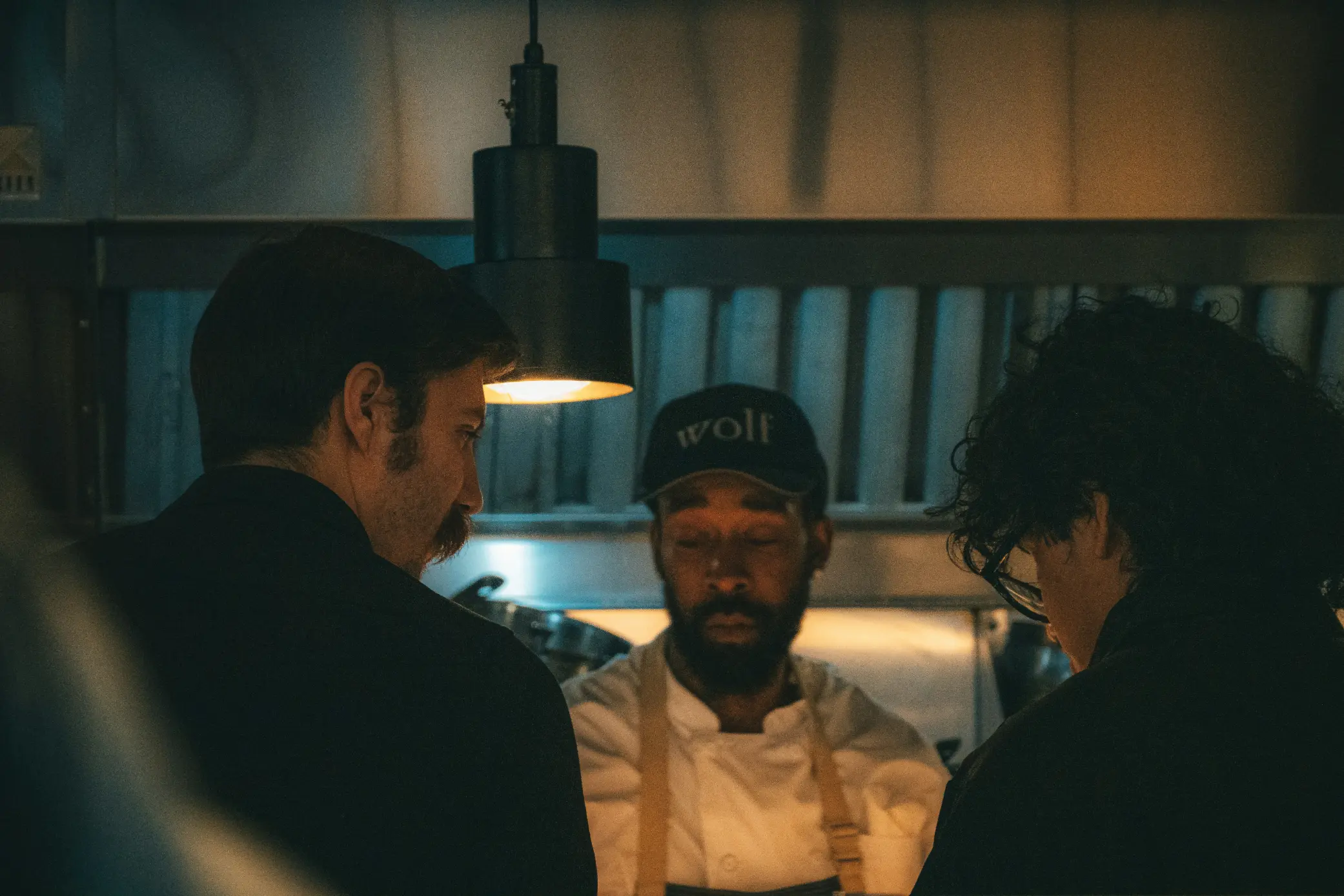
No restaurant knows exactly when a critic, journalist, or content creator will visit. Many owners assume reviews happen during arranged tastings, but plenty of visits happen without notice. Every normal service has the potential to become a public evaluation.
That is why staff training should never wait until after opening or before a media event. Guests do not separate everyday service from review-worthy service. Every table deserves the same level of care because anyone could influence the restaurant’s reputation.
Consistency Matters More Than Performance
Critics rarely expect perfection. They look for restaurants that deliver the same experience from the moment guests arrive until they leave. Small signs of consistency often matter more than dramatic gestures.
Staff should understand how to greet guests, explain the menu, handle mistakes, and communicate with the kitchen. These routines create confidence because everyone responds the same way under pressure. Consistency makes the entire restaurant feel organised.
Well-trained teams create reliable experiences without forcing them.
Teach Staff the Story Behind the Food
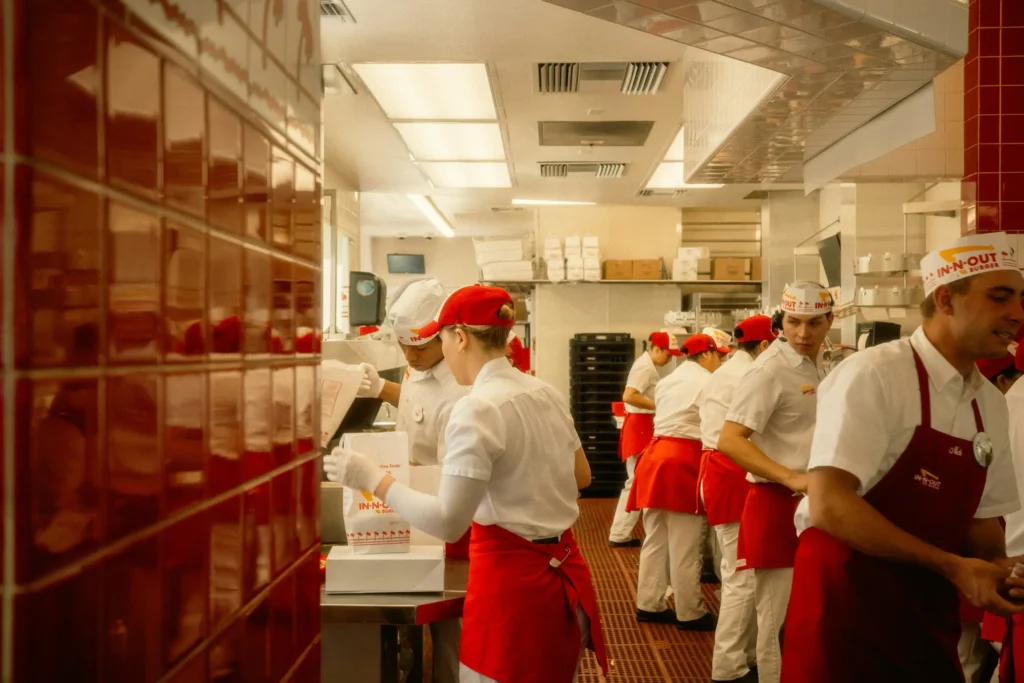
Service becomes stronger when staff know more than dish names and prices. Guests often ask why an ingredient was chosen, how a dish was created, or what makes the restaurant different. Confident answers make conversations feel genuine instead of rehearsed.
This does not mean memorising long scripts. Staff should understand the restaurant’s purpose, the chef’s thinking, and the ideas behind the menu. That knowledge helps them speak naturally while keeping every explanation accurate.
Clear communication strengthens trust at every table.
Mistakes Should Follow a Plan
Even experienced teams make errors during busy service. Orders arrive late, drinks are forgotten, or dishes need replacing. The difference lies in how quickly and calmly the staff responds.
Training should include practical situations, not only standard procedures. Staff who know how to apologise, solve problems, and keep guests informed prevent small issues from becoming lasting complaints. Confidence grows through practice before real pressure arrives.
Prepared teams recover faster because they already know what to do.
Every Service Should Be Review Ready
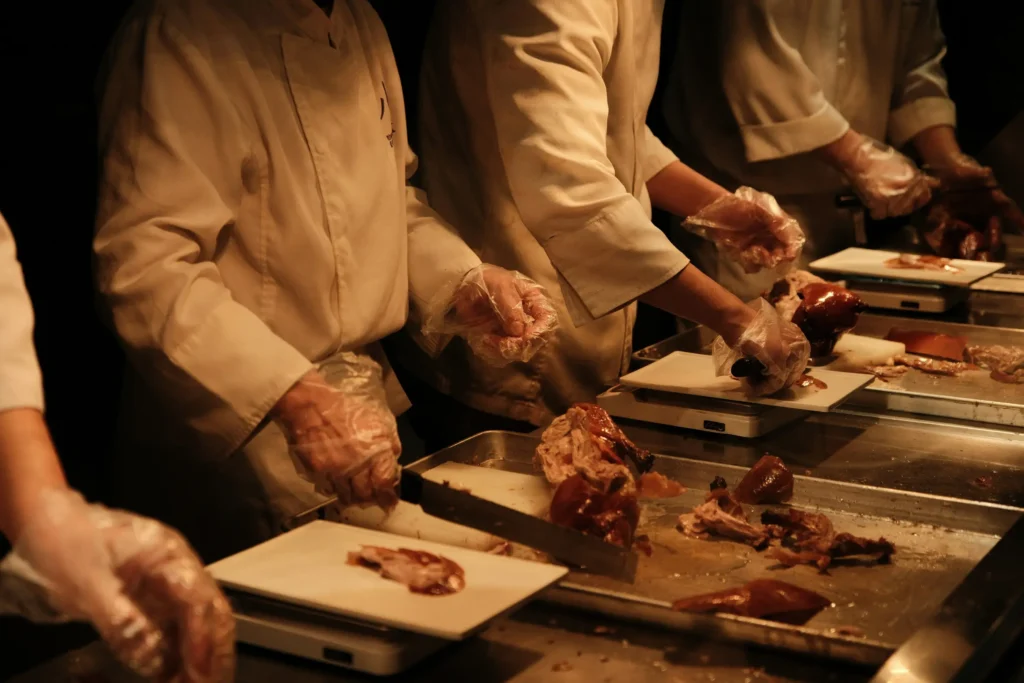
Restaurants cannot control who walks through the door, but they control how prepared the team is every day. Waiting for an announced media visit creates inconsistent service and unnecessary pressure. The strongest restaurants treat every shift as equally important.
That approach also builds trust inside the team. Staff stop performing only for special occasions and instead focus on delivering dependable experiences to every guest. Over time, that consistency becomes part of the restaurant’s identity.
This mindset becomes more valuable as competition grows and customer expectations continue rising. Media Grid helps restaurants shape the stories that reach the public, but those stories always begin with the experience guests receive inside the dining room.