The disparity between a packed dining room and a silent media inbox isn’t a mystery; it’s a failure of digital infrastructure. At Media Grid, we’ve analyzed the media cycles of Singapore’s most saturated dining zones—from the high-velocity CBD to the curated enclaves of Orchard. The findings are surgical.
Outlets that secure recurring headlines don’t “get lucky.” They operate on a framework of narrative readiness. We don’t just pitch your brand; we engineer its online ecosystem so that when editors look for their next lead, your restaurant is the only logical conclusion. We bridge the gap between being a “best-kept secret” and a market leader.Start With a Clear Brand Story (Before Any Outreach)
Media editors, food bloggers, and Instagram users look for stories, not just menus. Before thinking about paid ads or free meal invitations, ask:
- What makes your restaurant different in the local scene?
- Who is your target audience—office workers, families, fine dining guests, or hungry customers searching nearby?
- Does your restaurant’s menu reflect a clear concept or seasonal menu?
Use Engaging Content to Build a Social Foundation
A strong restaurant’s social media presence signals professionalism. Media outlets often check your social media platform before responding.
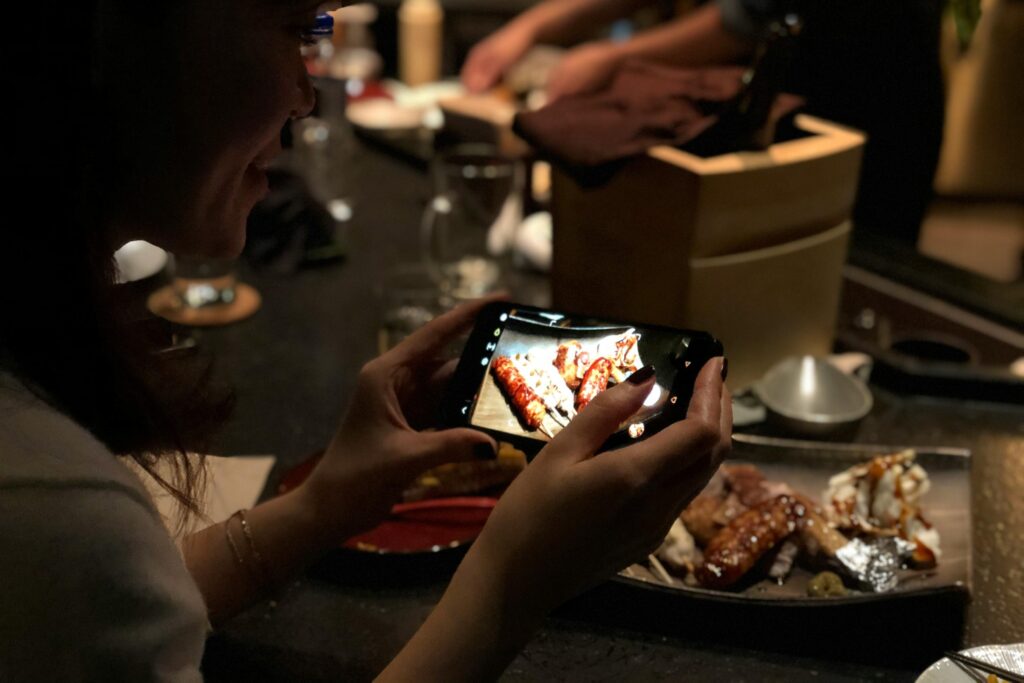
Effective restaurant social media marketing includes:- High quality photos of food items and dining spaces
- Engaging content such as behind-the-scenes videos, chef stories, and customer testimonials
- Consistent Instagram posts using relevant hashtags
- User generated content from loyal customers and positive reviews
Optimise Your Local SEO and Digital Touchpoints
Media coverage often follows discoverability. When people search for nearby customers or local restaurants, your restaurant marketing basics must be in place.
Key elements include:- A clear website with updated restaurant’s menu, online ordering, and reservation links
- An optimised Google Business Profile with accurate hours and Google reviews
- Local SEO that helps potential customers find you during their next meal decision
- Consistent branding across social media, online ads, and digital marketing channels
Leverage Local Events to Build Community Credibility
Restaurants that actively engage customers offline often earn attention online. Community engagement builds credibility that journalists notice.
Consider:- Participating in local events or collaborations with community centers
- Hosting special events, soft launches, or a new seasonal menu tasting
- Partnering with nearby businesses or local artists
- Offering dining vouchers, free dessert, or free drink during off peak hours
Pitch With Purpose to Attract Diners and Editors (Not Mass Emails)
Once your foundations are ready, targeted outreach matters. Media professionals receive hundreds of pitches weekly.
Effective pitches:- Reference the outlet’s past coverage of similar local restaurants
- Clearly explain why your restaurant fits their audience
- Avoid generic offers like “free meal” without context
- Highlight what’s new: a seasonal menu, special promotions, or unique food items
How to Get Restaurant Featured in Media, Consistently
The most successful brands view restaurant media coverage as part of a wider system—not a standalone tactic. They align restaurant social media, digital marketing, paid ads, and community engagement to attract diners and new customers over time.
At Media Grid, we help F&B brands maintain quality, consistency, and visibility across social media marketing, local SEO, online ads, and PR. The goal isn’t viral attention, but repeat business, loyal customers, and a strong brand that editors trust.
Getting featured is a common challenge—and a solvable one. If you’d like a quick review of your current brand, website, or marketing direction, we can help you identify what to fix first.