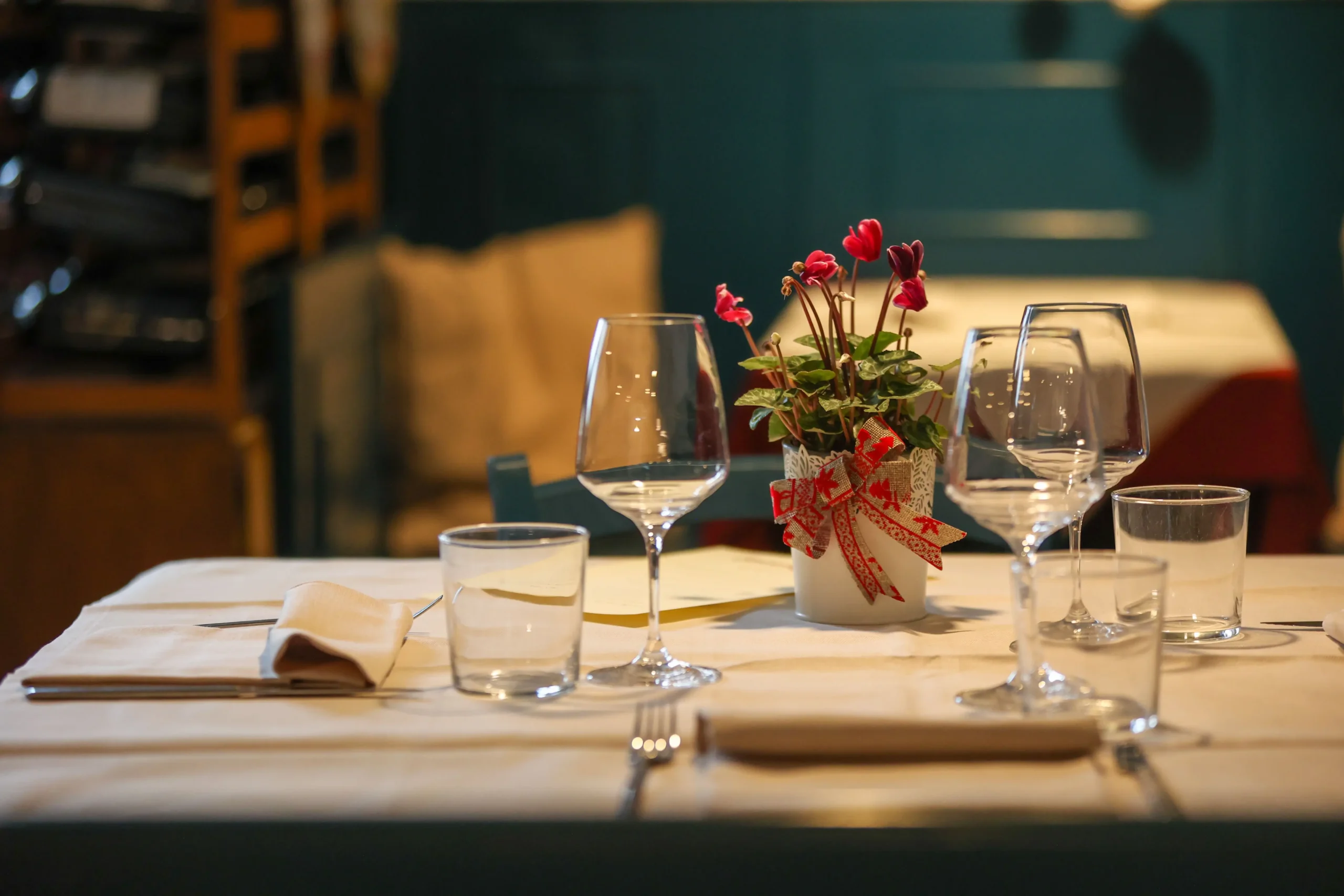
Public relations is not a one-time event centered on a grand opening launch; it is the deliberate practice of staying relevant in a conversation that never stops. For many F&B operators in Singapore, the frustration lies in seeing a neighbor receive a glowing spread in a weekend lifestyle supplement while their own press release remains unread. The difference rarely comes down to the quality of the food alone, but rather a deep understanding of what editors look for in restaurants when they are curating their next feature.
Most editors at major local publications receive dozens of generic pitches every day. They have developed a sharp instinct for filtering out “noise,” which are messages that focus purely on a business’s need for sales rather than the reader’s need for a story. When a pitch is essentially a list of menu items and prices, it is often ignored because it lacks a point of view.
The Problem with Generic Outreach
Generic marketing often fails because it treats the media as a free advertising board. If an outreach attempt feels like a sales pitch, it is a missed opportunity to build a brand. Editors are looking for a hook that fits the current cultural moment, not just a confirmation that your restaurant exists in the CBD or Orchard.
Many owners fall into the trap of thinking that a “new menu” is news in itself. In a city where hundreds of menus change every month, a simple update is rarely enough to warrant a feature. Without a clear brand narrative, your communication becomes white noise, making it difficult for even the most talented chef to get noticed by the right people.
The Solution: A Strategic Approach to Storytelling
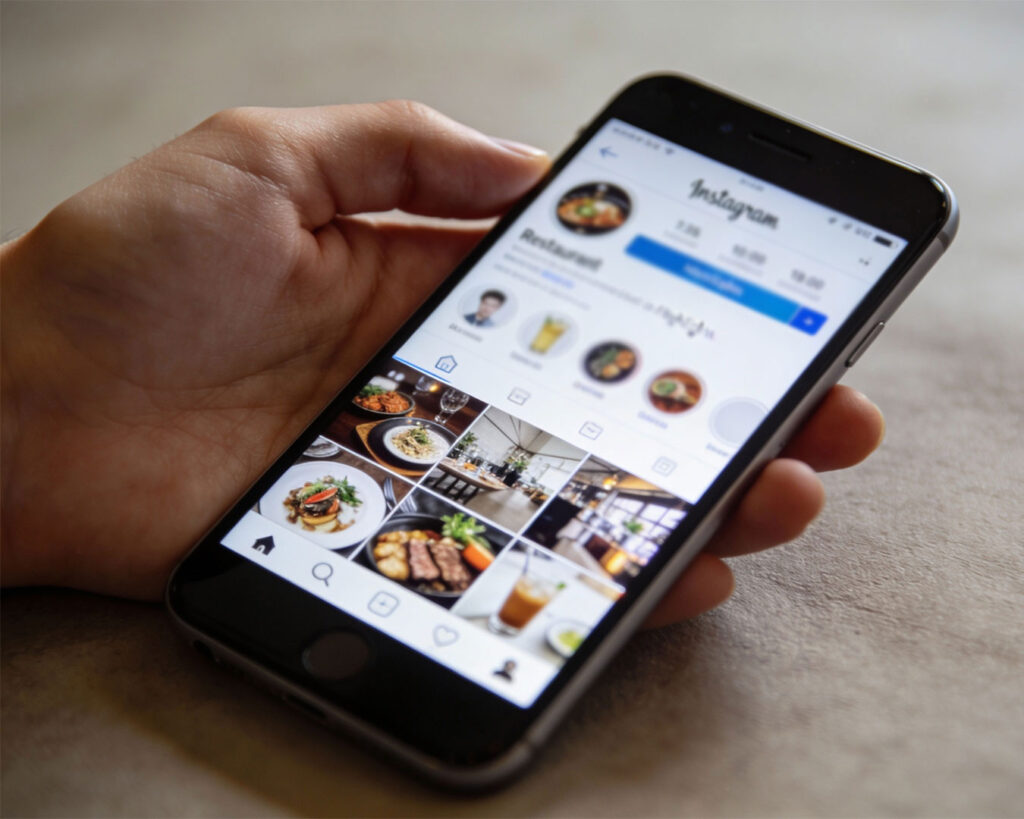
To capture attention, you must shift your perspective from what you want to say to what an editor needs to hear. This requires a disciplined approach to brand consistency. Before sending a single email, your brand must have a clear identity that translates across your social media, your interior design, and your press materials.
What Editors Look For
Editors value clarity and ease of access. They look for high-resolution imagery that tells a visual story and concise background information that highlights a unique angle. Perhaps your cocktail program uses forgotten regional botanicals, or your kitchen is led by a second-generation chef modernizing family recipes in the heartlands. These are the details that build a compelling case for coverage.
Timing Is Everything
Strategy also involves timing and relevance. Aligning your story with broader trends, such as the rise of sustainable sourcing or the resurgence of heritage dining, makes your brand a helpful resource for a journalist rather than an interruption. It is about positioning your restaurant as a necessary part of the local dining conversation.
Navigating the Media Landscape
This is where a specialist partner can provide a broader perspective. By observing the specific nuances of the Singapore media landscape, it becomes easier to navigate the expectations of seasoned food critics and lifestyle editors alike. A long-term approach ensures that your brand’s internal values are communicated externally with precision.
Play the Long Game
Building a reputation is a gradual process where consistent messaging leads to lasting trust. When the focus remains on the “long game,” you avoid the trap of short-lived hype and instead foster a presence that feels authentic to the industry. This strategic oversight allows you to protect your brand’s integrity while steadily increasing its visibility.
Reclaiming Your Narrative

Achieving clarity in your public relations is not an impossible task, but it does require a departure from “business as usual.” When you stop chasing every trend and start focusing on a consistent, well-articulated brand voice, the media response tends to follow naturally.
The path from being overlooked to being sought after starts with a single, clear objective: being a brand that is worth talking about. With the right strategy in place, you can move forward with the confidence that your story is being heard by the people who matter most.
Ready to tell a story that Singapore’s leading editors can’t ignore? Let’s find your unique angle together.