Singapore rents are high and diners don’t forgive mistakes easily. One bad review or viral complaint can cost thousands in lost revenue. Handling negative press restaurant situations well is crucial if you want to survive the first year.
Many owners panic when criticism hits. Saying the wrong thing can escalate a story, confuse your customers, and make it harder to keep seats full. A clear, calm response protects your reputation and gives your restaurant a chance to recover.
Admit Mistakes Without Over-Apologizing
When a mistake is real, acknowledge it clearly. A simple statement like, “We fell short on service that night and are reviewing our processes,” works better than over-explaining or blaming staff.
Over-apologizing makes diners suspicious. If your response reads like a cover-up, they assume there’s more you aren’t telling. Keep it short, factual, and respectful. Admit what happened, outline immediate steps, and move on.
Consistency matters. All staff, from front-of-house to management, should use the same language. Mixed messages confuse customers and can worsen press coverage. Draft a short guideline for responses to keep everyone on the same page.
Avoid Arguing Online
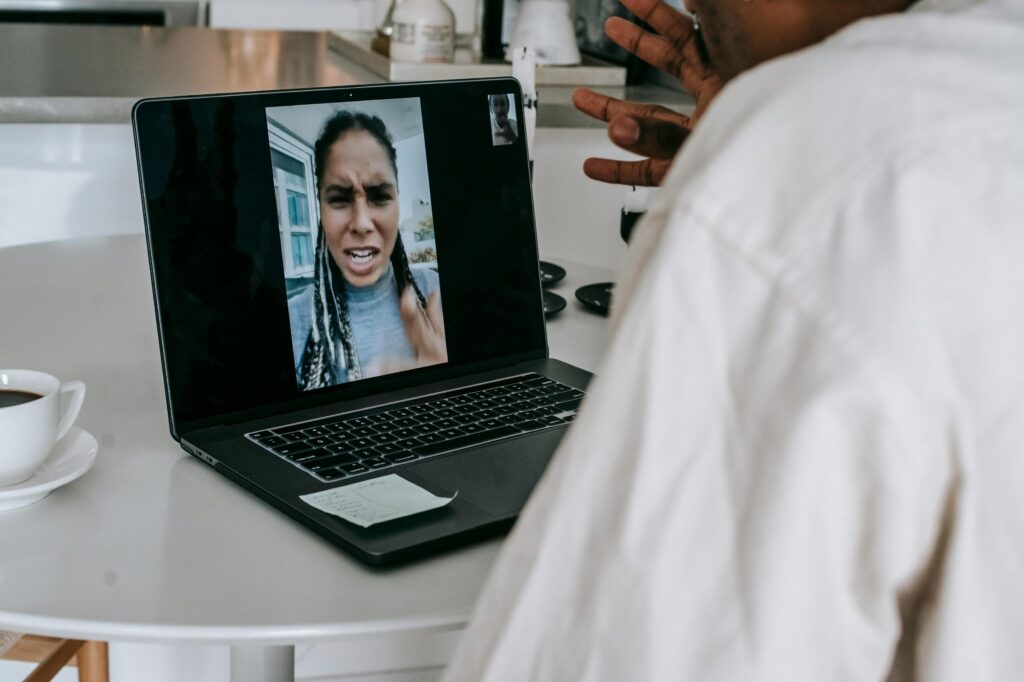
Responding to angry reviews with emotion almost always backfires. Public arguments attract more attention than the original complaint. Even if you feel justified, avoid debates or sarcastic replies on social media.
Instead, invite the diner to discuss privately. Provide an email or phone contact and say, “We’d like to understand more and make it right.” This shows responsibility without fueling a public fight.
Remember, tone is everything. Calm, polite, and solution-focused responses reassure other diners that your restaurant is reliable. People watch how you handle complaints as closely as they watch your food quality.
Share How You’re Fixing the Problem
Negative press has a silver lining if you act on it. Show the changes you’re making in your kitchen or service to prevent similar issues. Short updates, photos of staff training, or improvements to hygiene can reassure customers.
Be honest about timelines. Don’t promise immediate fixes if it will take weeks to implement. Transparency builds trust and encourages diners to return.
Use press or social updates to highlight real steps without exaggeration. For example, a post about menu testing or retraining servers shows your team takes feedback seriously, turning criticism into a positive signal.

Timing can reduce damage. Respond within 24–48 hours if possible. Long delays make diners assume you don’t care. Quick, professional replies show control and accountability.
Monitor all channels where press and reviews appear. Google, Facebook, Instagram, and local food blogs matter. A single unanswered complaint can grow into a larger story if ignored.
Media Grid handles public image so owners can focus on cooking. Knowing how to handle negative press restaurant situations early protects your revenue and reputation. Handling issues promptly keeps seats full and stops small problems from becoming long-term crises.