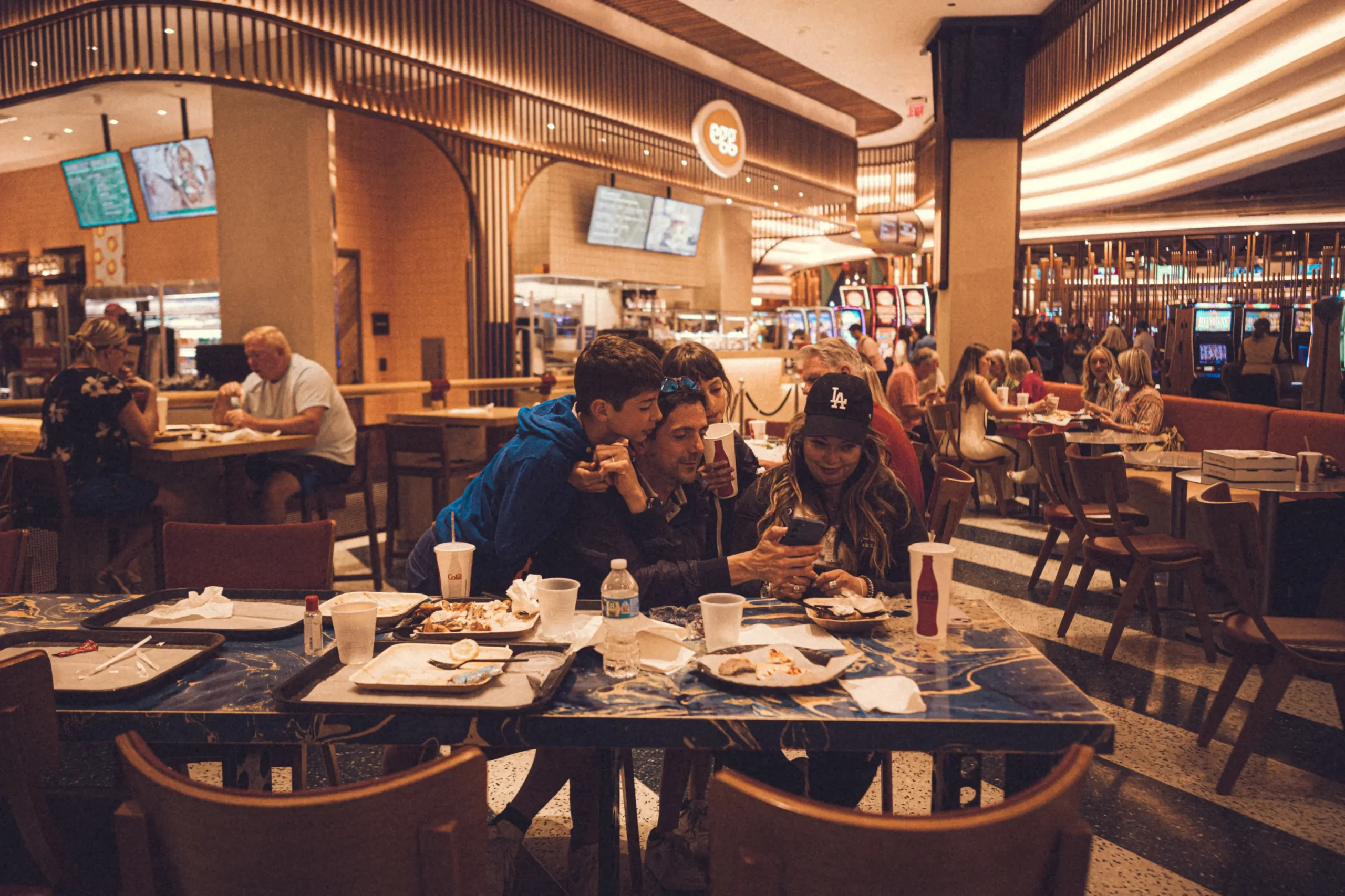
Most people opening a new restaurant think the logo comes first. It does not. The logo is one part of a much larger system, and getting it wrong early creates problems that follow your restaurant for years. Singapore diners are experienced and they pick up on inconsistency fast.
Restaurant branding Singapore is not just about looking good at launch. It is about sending clear, consistent signals at every single touchpoint, from your signage to your paper bags to your menu. When those signals line up, customers trust you before they eat a single dish. Effective branding also helps generate valuable restaurant media coverage, which can boost your visibility and credibility in a competitive market.
Visual Identity Means the Whole System
A visual identity is not just a logo. It is a visual system that covers your typography, colour palette, icons, and the rules for how all of these elements work together. A new restaurant that skips this step ends up with a logo that sits alone, disconnected from everything else customers see and handle.
The inconsistency shows up fast. Your packaging looks different from your signage. Your menu uses a font that does not match your brand. Customers feel that something is off, even if they cannot explain why. Recognition takes longer to build, and repeat visits become harder to earn.
A proper visual identity is developed once and applied consistently. It saves time, cuts reprinting costs, and gives your team a clear reference for every design decision going forward.
Brand Identity Tells Customers Who You Are
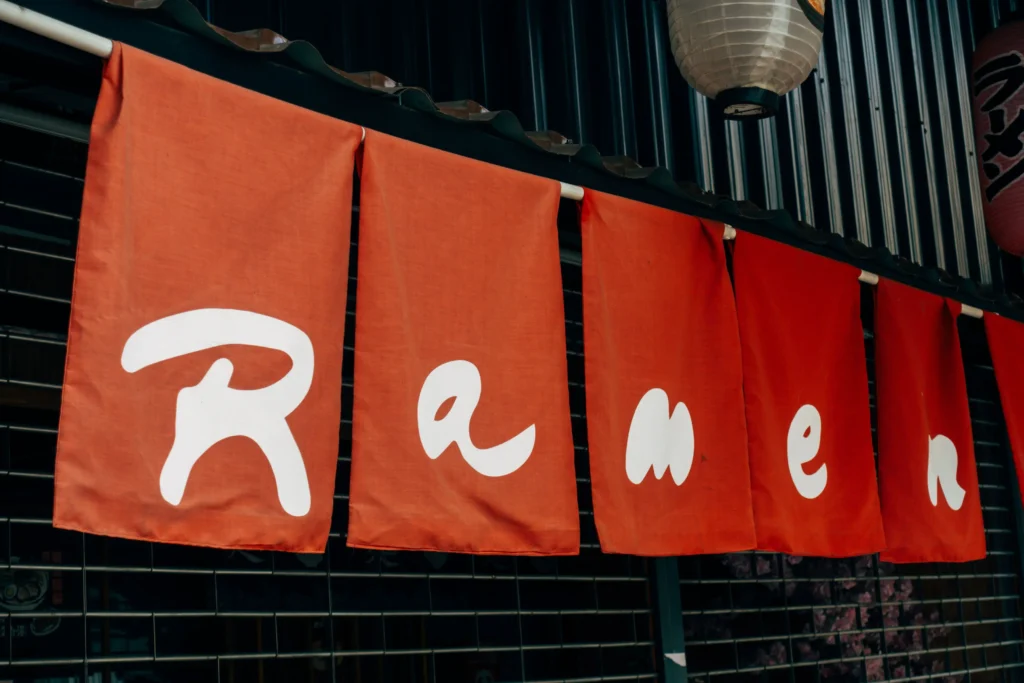
Brand identity is the personality your restaurant projects across every surface. It shapes whether your space feels bold or clean, casual or considered. It covers how your dishes are described, how your staff present themselves, and how your physical space is arranged. Customers read all of these things at once.
Strong brand identity creates recognition. When guests can identify your restaurant instantly by colour, signage, or packaging alone, you have built something that works. That kind of recognition does not happen by accident. It is designed, developed, and maintained over time.
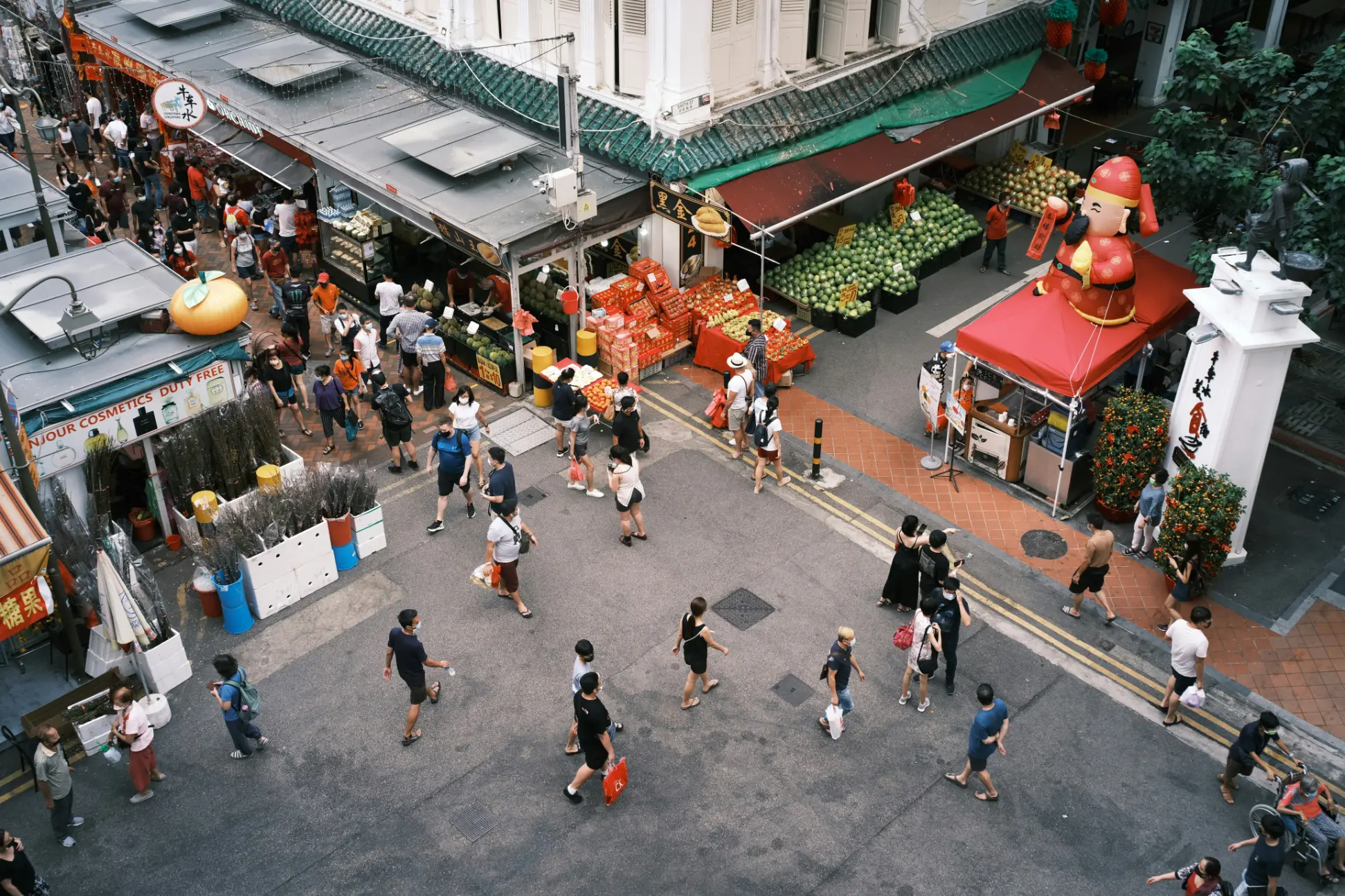
In Singapore, the food scene is crowded and customers have real options. A restaurant that looks sharp at the entrance but hands over flimsy, unbranded paper bags at the counter sends a mixed message. Small gaps in consistency quietly confuse your customers and make it harder to convey what your brand actually stands for.
A well-executed restaurant strategy ensures every touchpoint, from entrance to takeaway packaging, aligns to build trust and recognition.
Menu Design Works Harder Than Owners Expect
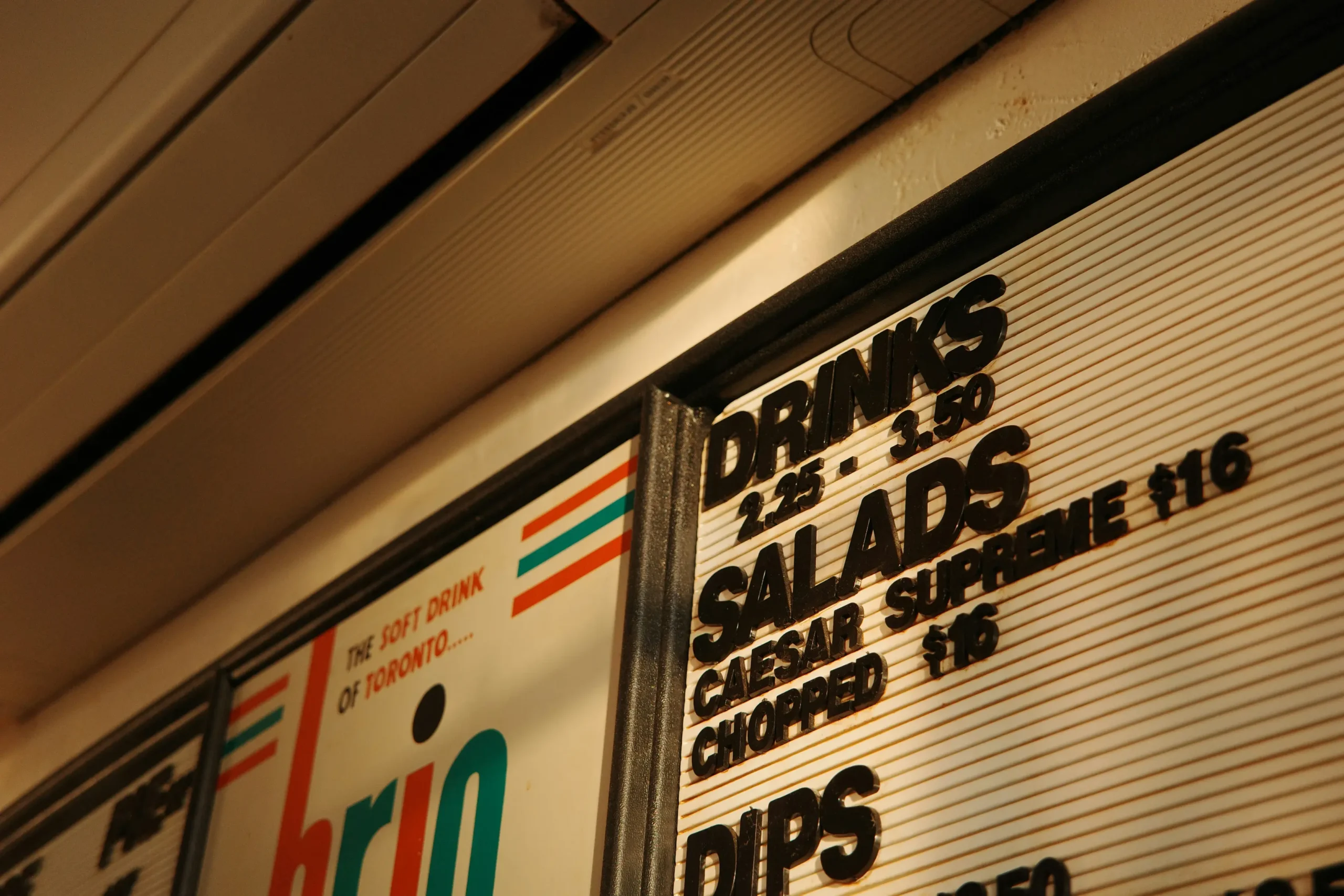
Your menu is one of the most-handled touchpoints in your entire restaurant. Customers sit with it, read it, and judge your brand through it. A menu that is well designed reinforces your brand experience without saying a word. A poorly designed one undermines the work you did on everything else.
Menu design covers layout, typography, paper weight, and how you name and describe your dishes. Every one of these elements should connect back to your visual identity. A bar with a heavy, formal menu sends the wrong signal. A fine dining restaurant with a laminated sheet does the same.
Owners of a new restaurant often treat the menu as the last thing to sort out. It gets rushed, and then reprinted repeatedly as things change. When your menu is designed alongside your full brand identity from the start, it holds up longer and creates a far more consistent brand experience for guests.
Brand Experience Lives in the Details
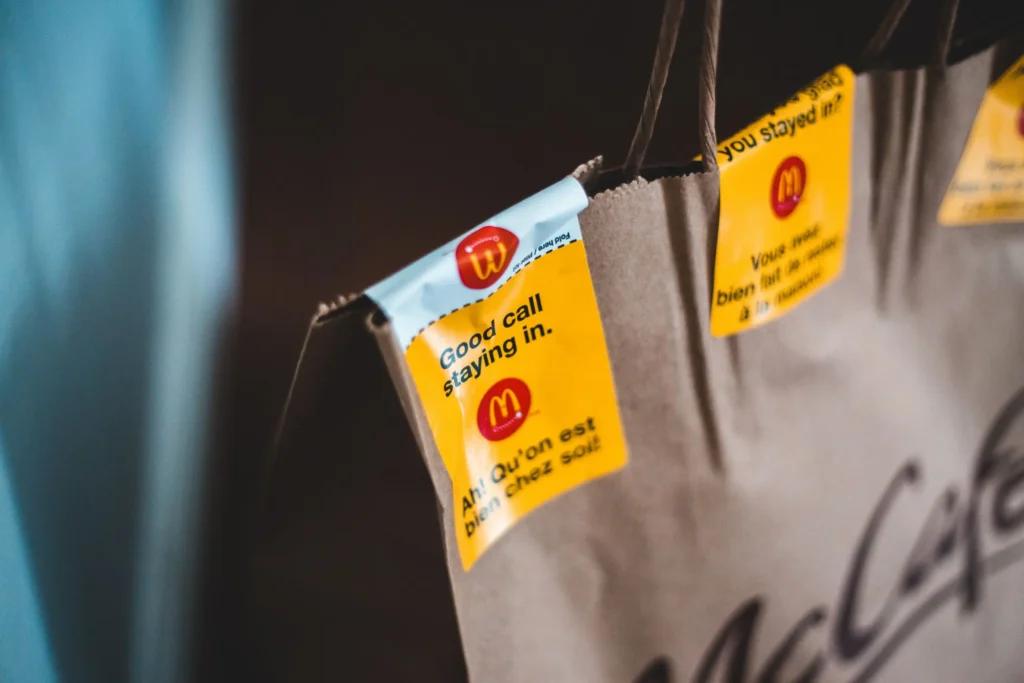
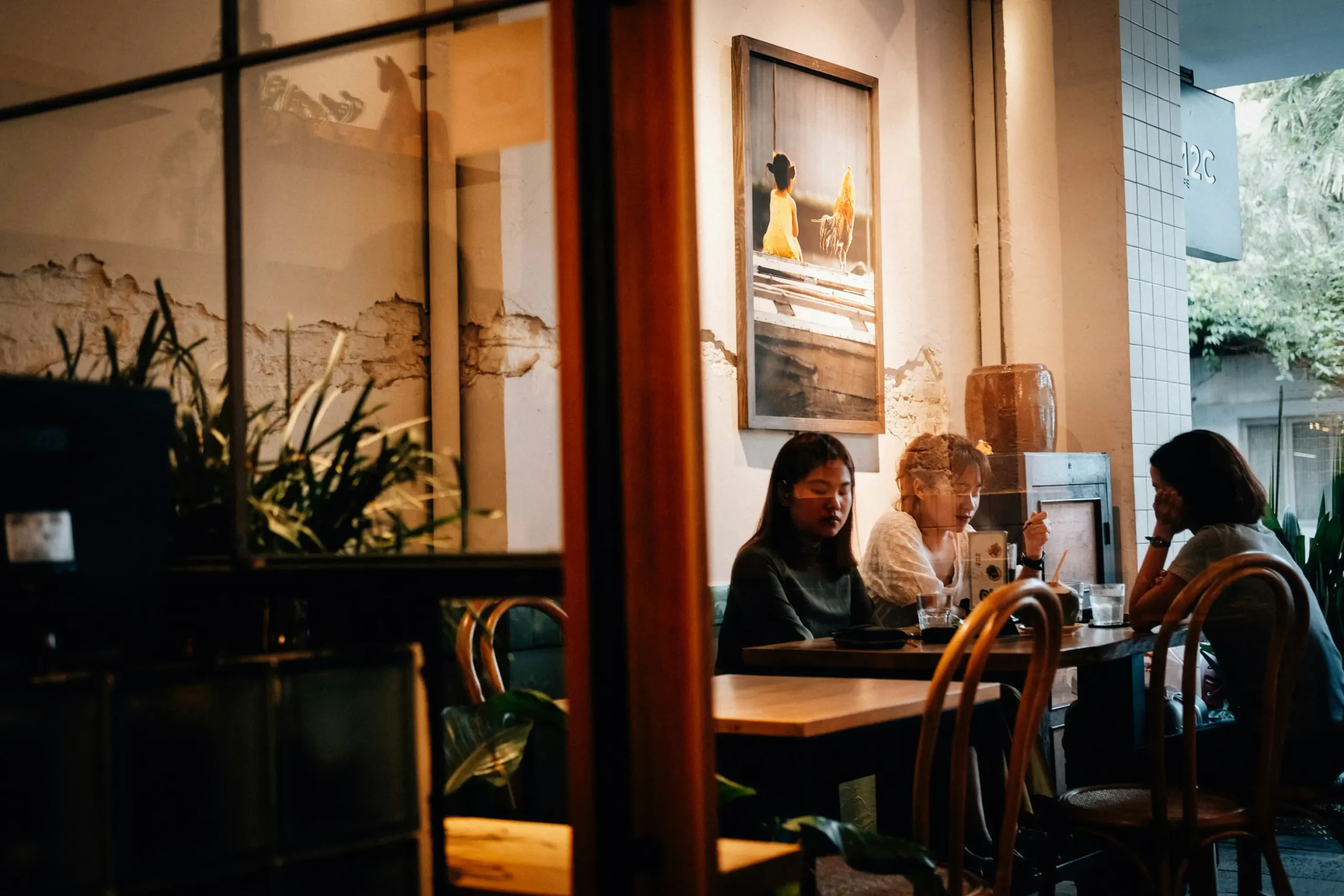
Brand experience is what customers feel across an entire visit. It includes the sensory experience of walking into your physical space, the way staff present dishes, and what your packaging looks like when food leaves the restaurant. Every one of these moments either builds or chips away at your brand.
This is where restaurant branding projects in Singapore most often fall apart. Owners invest in the front-facing design and let the rest develop on its own. Branded uniforms get replaced with cheaper alternatives. Packaging loses consistency across outlets. These are small decisions, made daily, that quietly damage the image you worked to create.
A strong brand experience does not require a large budget. It requires a clear visual identity, applied with discipline, and owners who understand that the brand does not stop at the front door.
Consistency Is What Keeps a Restaurant Open
Restaurants that last in Singapore are not always the ones with the most original concept. They are the ones that communicate clearly, look deliberate, and feel consistent every time a customer walks in or orders online. Consistency is what turns first-time customers into regulars and regulars into the people who sell your restaurant for you.
Brand identity is not something you build once and leave alone. It needs attention as you grow, add outlets, or refresh your menu. Working with a team that understands both the visual and operational sides of restaurant branding keeps your brand sharp over time.
Media Grid works with F&B owners in Singapore on exactly this, building brand identity and visual systems designed to hold up as the restaurant grows and the market shifts.