A journalist scrolls through your menu online before deciding whether to visit. They see “Grilled Chicken Breast with Seasonal Vegetables” and they keep scrolling. Then they see “The Dish Our Chef’s Mother Made Every Sunday” at another restaurant and they pause. The name alone has done the work of a hundred marketing dollars.
The difference is not about the quality of the food. Both plates could be identical in preparation and taste. But one name gives the writer nothing to work with. The other name gives them a headline, an angle, and a reason to pitch the story to their editor. Your dish name is often your first and only chance to get noticed.
Boring Names Kill Good Stories Before They Start
Journalists need to justify their time and their editor’s budget. They cannot write a compelling feature about a dish that sounds like a hospital menu item. A generic name signals that the restaurant has not thought about what makes its food special. It suggests that the kitchen is playing it safe and the owner has no point of view.
When a writer sees “Pan-Seared Salmon with Asparagus,” they assume the restaurant has nothing new to say. They might still visit if the place has buzz from other sources. But they will not generate original coverage based on that name alone. The dish has to work much harder in person to overcome its dull introduction.
A bad name also makes the writer’s job harder. They struggle to describe the dish in a way that engages readers. They end up relying on photography or general praise about the atmosphere. The article becomes weaker because the starting point was weak. Your menu naming strategy directly affects the quality of coverage you receive.
Specific Names Give Writers Headlines They Can Use
A dish called “The 48-Hour Beef Cheek We Almost Took Off the Menu” contains multiple story elements. It hints at process, drama, and persistence. A writer can build an entire article around why it almost failed and why it stayed. The name itself becomes the entry point to a larger narrative about your restaurant.
Journalists are always looking for details that will naturally invite them in. A specific dish name does half of that work for them — quietly, without a press release or a pitch. It creates curiosity. It makes readers want to know what comes next. In that way, PR for Cafes Starts With What’s Already on Your Table. The writer can focus on expanding the story instead of inventing a hook from nothing.
This is why restaurants that get frequent features often have menus that read like short stories. The names are not gimmicks. They are invitations to ask more questions. Each name suggests there is something worth discovering behind it. Writers respond to that invitation because it makes their job easier and their articles better.
The Name Signals How Much You Care About the Details
When you put thought into naming your dishes, you show journalists that you think about every part of the dining experience. You demonstrate that the menu is not an afterthought. It is a considered piece of communication that reflects your values as a chef or owner.
Writers notice these details because they reveal how the kitchen actually runs. A restaurant that names its dishes with care is usually a restaurant that plates with care. The name becomes evidence of a larger commitment to quality. Journalists use these signals to decide which restaurants deserve deeper coverage.
A thoughtful name also helps the writer remember your restaurant months later. They might forget the exact preparation of your fish dish. But they will remember “The Fish We Drive to Jurong Every Morning to Pick Up.” That memory leads to inclusion in roundups and recommendations long after the initial visit.
Your Menu Is Your First Pitch to the Press
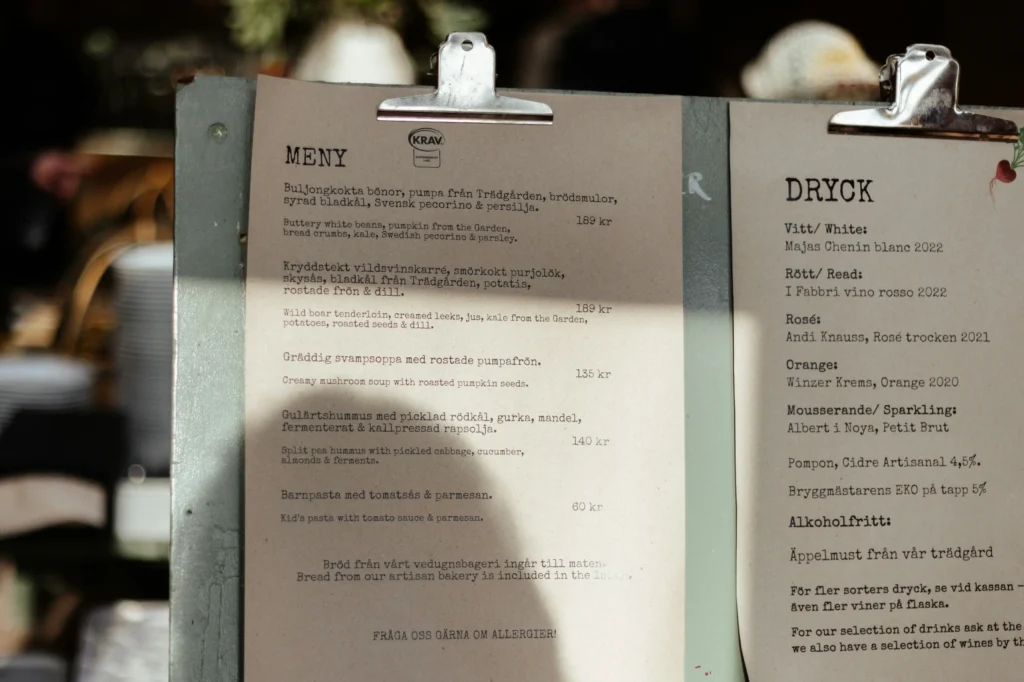
Before a journalist ever meets you or tastes your food, they see your menu. That menu is doing public relations work whether you intended it to or not. A boring menu closes doors. A menu with personality and specific detail opens them.
Media Grid advises restaurants to treat every dish name as a potential headline. Ask yourself whether a writer could build an article around what you have written. If the answer is no, reconsider the name before you print the next batch of menus. The right name costs nothing extra but it can earn coverage that transforms your business.
The restaurants that stay in the conversation year after year understand this. They do not rely on PR teams to manufacture interest after the fact. They build interest into the menu from the start. That is how you turn a list of dishes into a list of reasons to write about you.