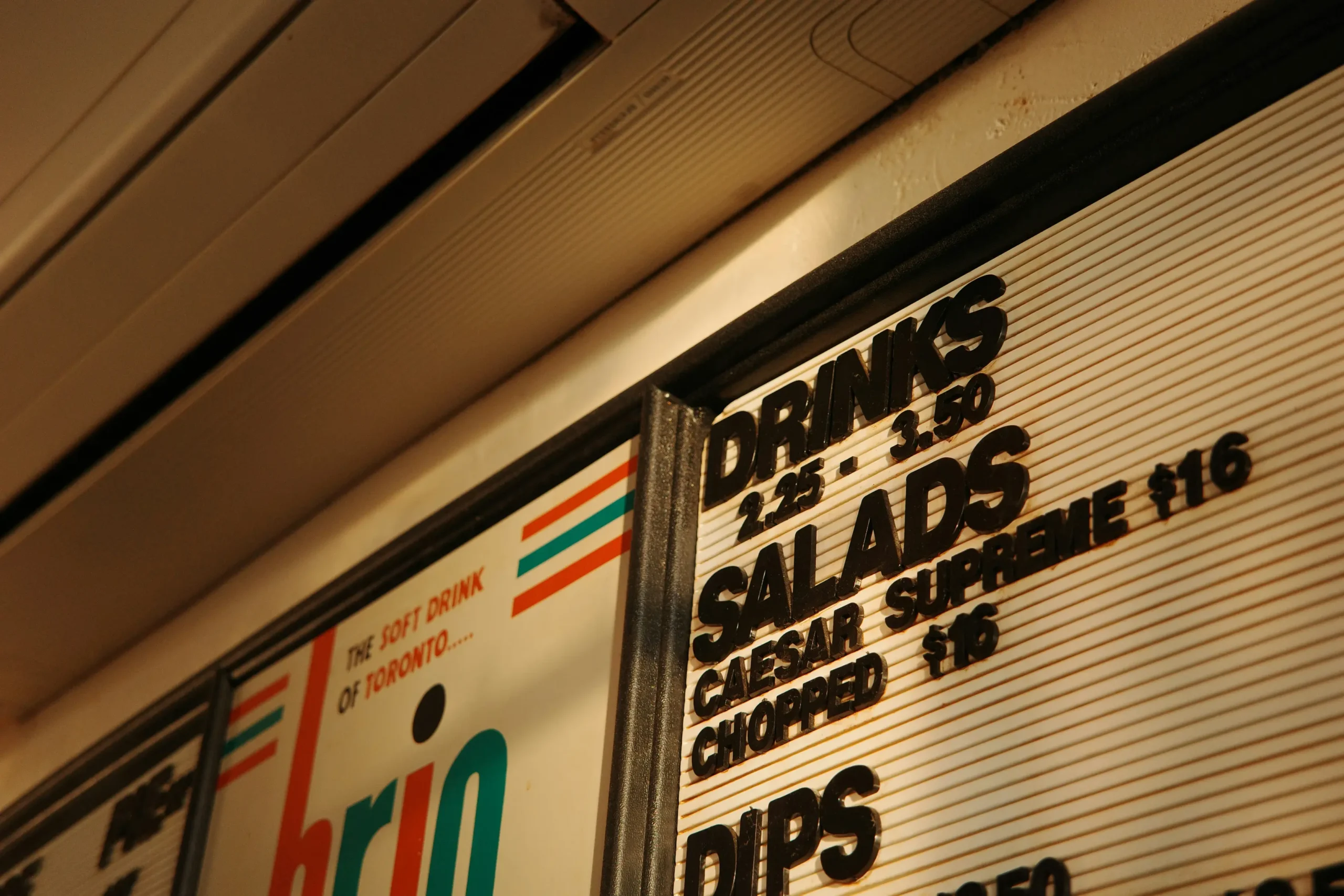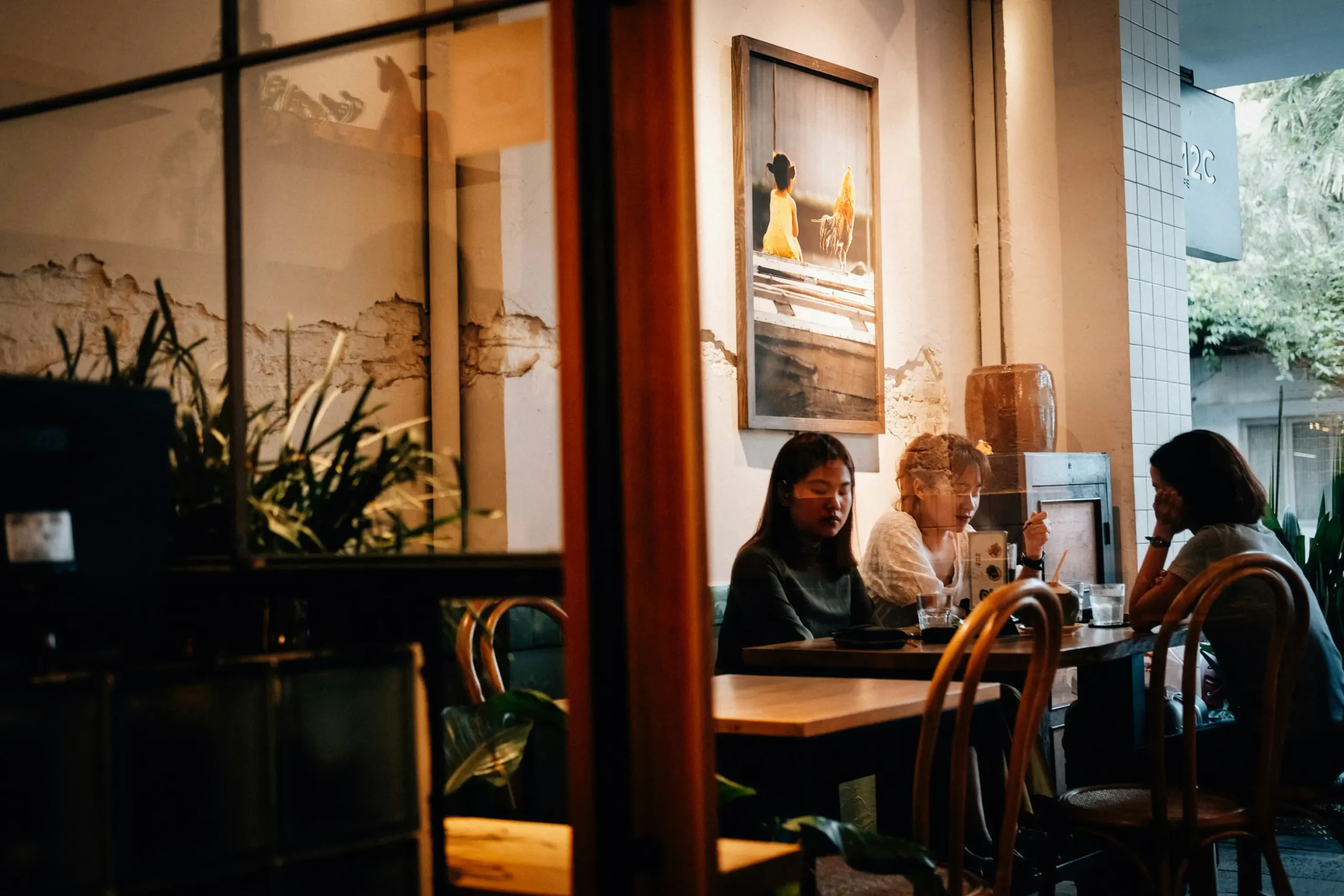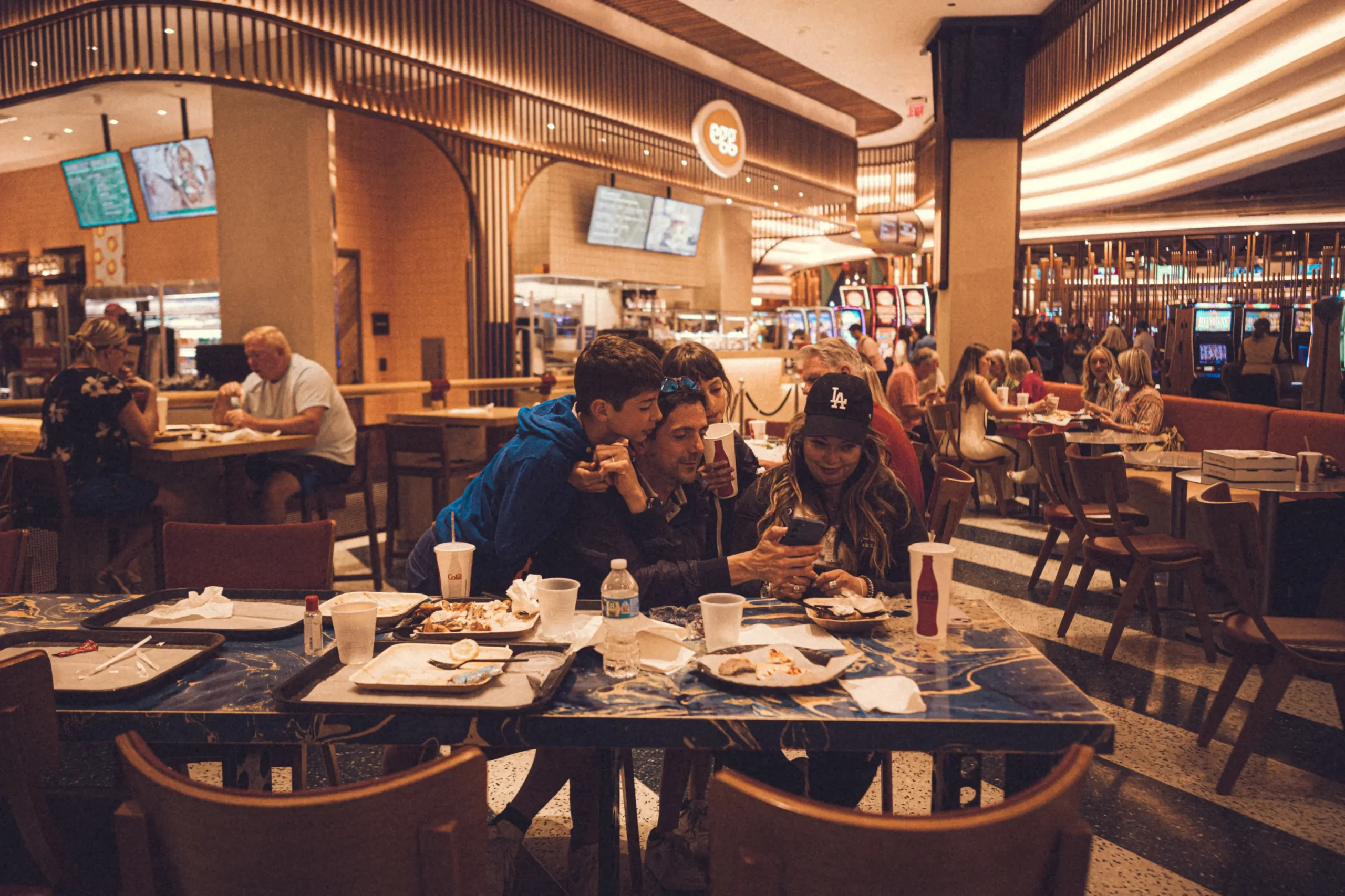
Walk into enough new restaurants in Singapore, and you’ll notice a pattern. Vintage floor tiles, retro fonts, and kopitiam-inspired details are making a comeback. Even once-overlooked dishes are now headlining upscale menus.
This isn’t just nostalgia; it’s a strategic move. Restaurants have identified that diners are fatigued by generic, mall-like interiors. The Mod-Sin aesthetic resonates because it taps into a shared cultural memory while presenting it in a fresh, contemporary context.
The Strategy: Blending Familiarity with Novelty
The Mod-Sin aesthetic is modern Singaporean identity filtered through local heritage. Successful restaurants are borrowing elements from Singapore’s past, such as terrazzo floors, enamel cups, and rattan chairs, without creating museum pieces. This approach to restaurant branding isn’t about replicating the past but evoking it, creating an experience that meets modern expectations.
This strategy works because it leverages pre-existing emotional connections. A bowl of curry or a hawker-inspired dessert already holds meaning for the diner, giving the restaurant a powerful narrative tool before the first bite is even taken.
The most effective executions are subtle. A few well-chosen details are more impactful than a space saturated with nostalgic paraphernalia.
Shifting Focus from Attention to Memory
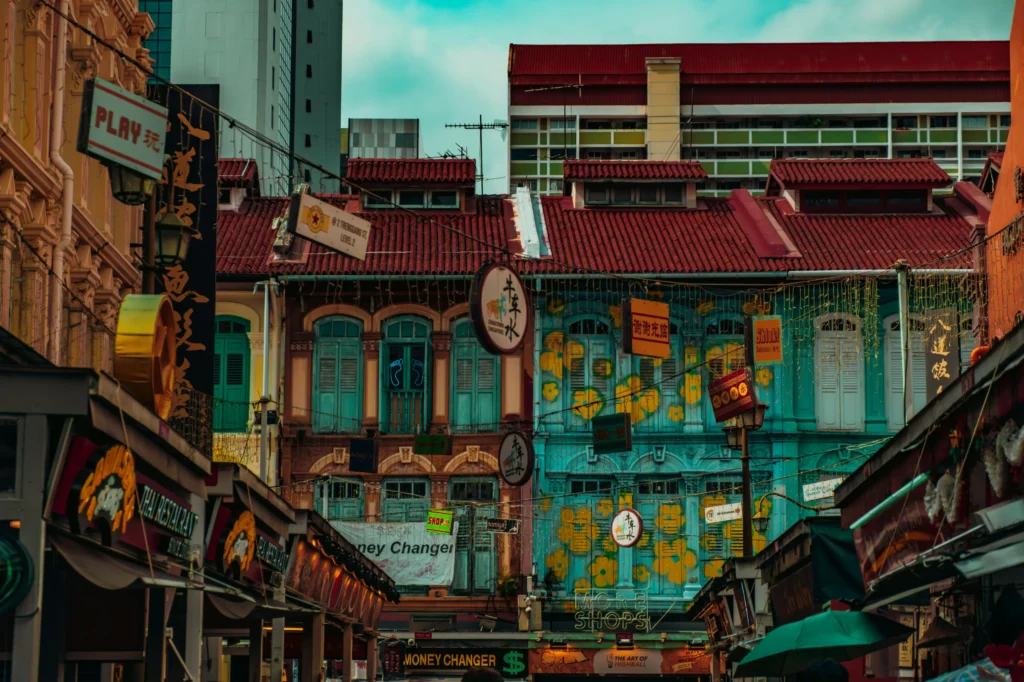
In today’s digital landscape, attention is a commodity. Restaurants constantly produce content, from food photography to viral videos. Earning a place in a diner’s memory, however, is a far greater challenge.
A memorable restaurant gives customers a story to tell. The Mod-Sin aesthetic excels at this by incorporating recognizable elements from daily life, like a recreated HDB corridor or a dessert inspired by a childhood snack. These details spark conversations and transform the dining experience into something personal.
This is critical in a market like Singapore, where word-of-mouth recommendations are a primary driver of dining choices. People share experiences that feel authentic and distinct, not just expensive or trendy. The aesthetic also has broad appeal, resonating with older generations who recognize the direct references and younger diners who see them as fresh and interesting.
The Foundation: A Food-First Approach
A common pitfall for many establishments is prioritizing aesthetics over the menu. While a beautiful interior can attract initial interest, it cannot compensate for mediocre food. Novelty fades, but the quality of the meal is what endures.
The most successful Mod-Sin concepts are built from the kitchen out. Chefs thoughtfully reinterpret heritage dishes, modernizing techniques and presentation while preserving their core identity. This culinary philosophy should then inform every other aspect of the restaurant, from interior design and menu copy to staff service and marketing materials. When all elements align, the restaurant presents a cohesive and intentional brand story.
Authenticity as the Cornerstone of Brand Trust
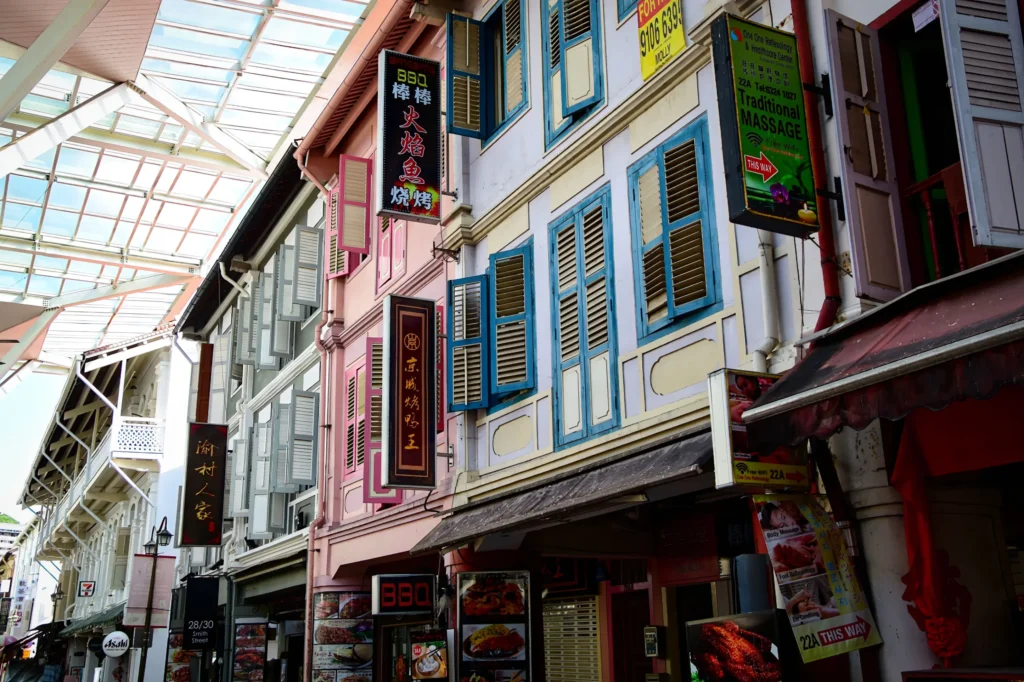
Today’s consumers are savvy and can quickly detect inauthentic nostalgia. Vague claims about “heritage” and “tradition” are no longer effective.
To build brand trust, restaurants need to communicate specific, compelling stories. Why is a particular dish significant? What is the rationale behind the design choices? What is the origin of a recipe? Specificity creates a genuine connection, whereas generic storytelling feels like a marketing ploy and creates distance.
This is why many restaurants that adopt the Mod-Sin look without understanding its cultural underpinnings often fail. The establishments that succeed treat Singaporean identity as a rich source of inspiration, not merely a decorative theme. This commitment to authenticity becomes a clear differentiator over time.
Building Lasting Relevance and Customer Loyalty
Trends may come and go, but at Media Grid, we believe that local identity is a durable asset because it’s intrinsically linked to the community.
We’ve seen that restaurants forging meaningful connections around shared memories build more resilient brands than those chasing fleeting online aesthetics. Customer loyalty is cultivated through a sense of belonging, not through viral content alone.
The Mod-Sin aesthetic provides a powerful answer to a key strategic question we often ask our clients: In a saturated market, how can a restaurant establish a uniquely Singaporean identity that feels both timeless and relevant?
The answer lies in balance: respecting the past, adapting it for the present, and creating an experience that customers will remember and return to long after the meal is over.