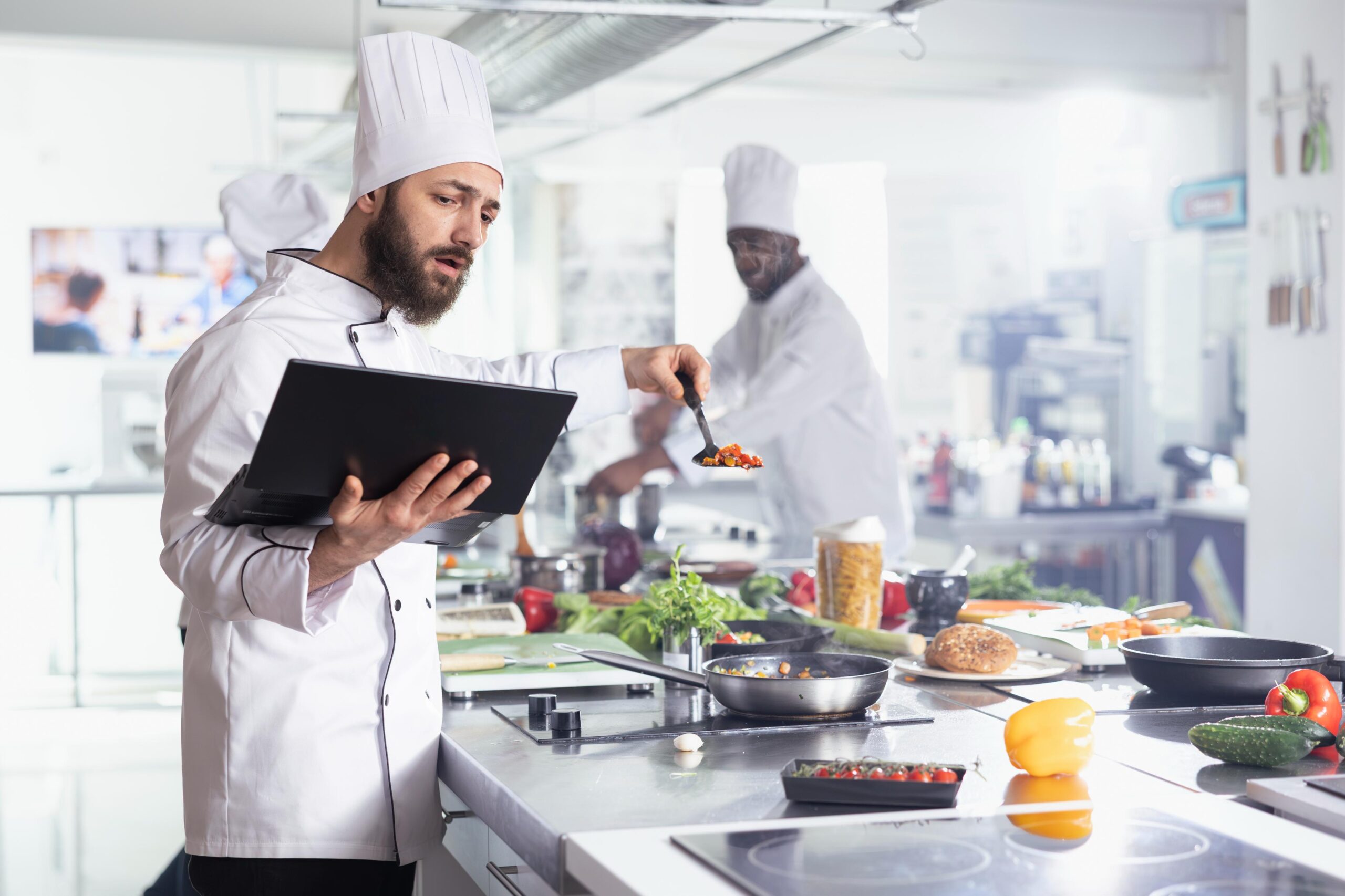
Every restaurant menu has a safe section and a brave section. The safe section pays the bills. The brave section gets the press. The dish that makes people stop and read twice is the dish that journalists want to write about. It does not have to be the best thing you serve. It just has to be the most interesting.
Weirdness works in PR because it gives people something to talk about before they even taste it. A strange combination, an unexpected ingredient, or a bizarre presentation creates curiosity. Curiosity drives coverage. Coverage drives customers. The loop is simple, but most restaurants are too cautious to start it.
Weird Gets Noticed in a Sea of Sameness
Walk down any food street in Singapore and you will see the same dishes repeated from door to door. Laksa, chicken rice, burgers, pasta. These are fine foods that people want to eat. But they are not foods that make writers reach for their notebooks. A journalist who has eaten fifty burgers this year needs something else to justify another article.
Your weird dish is that justification. It gives the writer an angle that is fresh and specific. It lets them write a headline that stands out in a crowded feed. Without that angle, they are just writing another review of another restaurant that serves good versions of familiar things. That is not a story. That is a list entry.
The weird item does not have to be expensive or complicated. It just has to be genuinely different from what people expect. Difference is the currency of attention in a market where most menus look identical.
The Weird Item Brings People Who Order the Normal Items
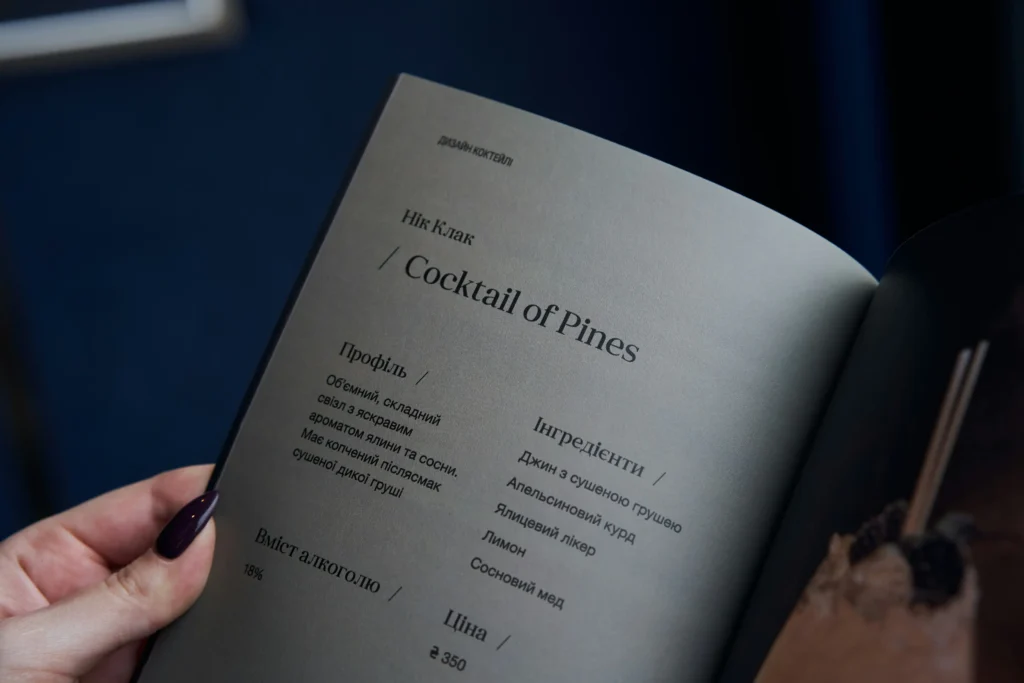
Here is the secret that cautious owners miss. Most customers who come because of the weird headline do not actually order the weird dish. They come out of curiosity, look at the menu, and choose something safer. But they would never have come at all if the headline had not grabbed them.
The weird item is bait in the best possible sense. It brings people through the door who would have walked right past otherwise. Once they are inside, your regular menu does the work of keeping them happy. The strange dish paid for their attention. The good food earns their return visit.
This is why restaurants that seem gimmicky often stay open for years. The gimmick was never the point. The gimmick was the doorbell.
You Have to Actually Commit to the Weirdness
A half-hearted attempt at something unusual is worse than no attempt at all. If you put a weird item on the menu but apologise for it or hide it at the back, customers will sense your hesitation. The press will too. You have to stand behind the strange choice and explain why you made it.
Maybe the dish comes from a family tradition that sounds odd on paper but tastes right on the plate. Maybe it is an experiment that worked better than you expected. Whatever the origin, own it. The confidence behind the weirdness is often what makes it appealing. Uncertainty makes it look like a mistake.
Weirdness Is a Doorway, Not a Destination
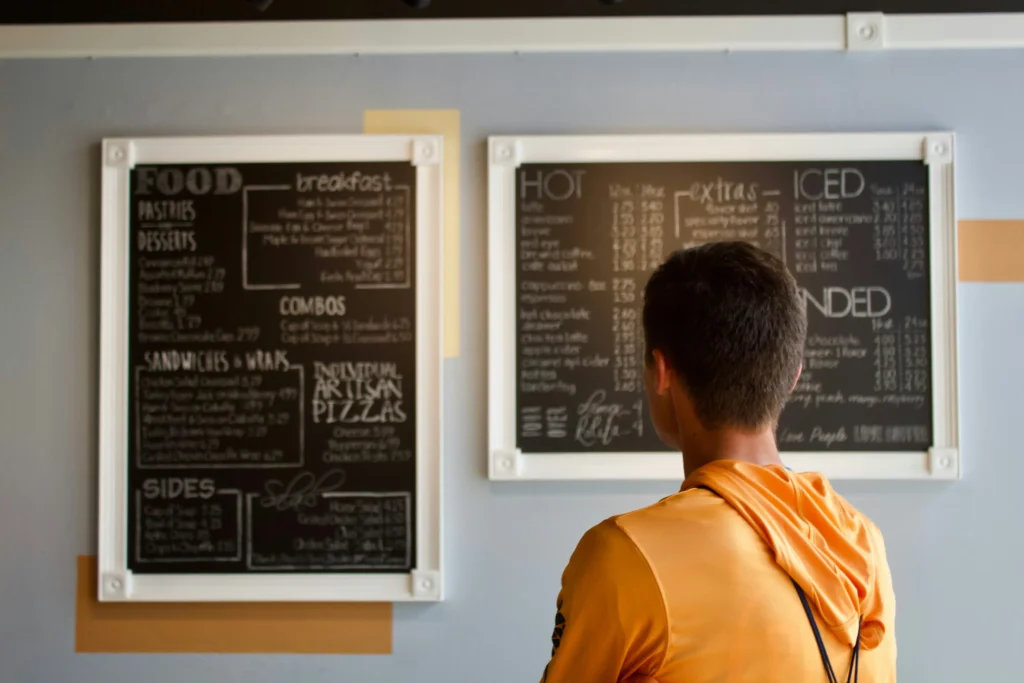
The goal is not to become known as the place with the strange dish. The goal is to use that dish to introduce people to everything else you do well. One weird item can lead to coverage of your sourcing, your team, or your philosophy. It opens the conversation.
At Media Grid, we help Singapore restaurants find the one thing on their menu that could become a headline. Sometimes it is already there and the owner is too close to see it. Sometimes it needs to be created with intention. Either way, the weird item is often the cheapest and most effective PR tool you have. Use it.