Ask any local reporter what they ignore in their inbox, and “10% off Tuesdays” will be near the top of the list. Restaurant promotions that play it safe rarely get a second look, because they sound like every other restaurant on the block. The ones that get picked up are the ones that make someone pause and think, “wait, that’s actually interesting.”
This isn’t about being reckless with your menu or your budget. It’s about understanding that local media coverage rewards restaurants willing to try something a little unexpected, while it scrolls right past anything that reads like a template. Restaurant owners who grasp this difference tend to know how to get featured in media, and get featured more often.
Why Restaurant Promotions Beat Playing It Safe
Safe restaurant promotions blur together. A free dessert with purchase, a small discount on a slow night, a loyalty program that stamps a card ten times before giving you a free meal. These aren’t bad ideas, but they don’t give a journalist a reason to write about you specifically.
Bolder promotions work because they create a compelling reason for someone to talk about your restaurant, not just visit it. A pop-up dinner built around one unique dish, a menu that only exists for 48 hours, or a public challenge tied to a seasonal ingredient all give a story a shape. Offering perks like a free dish for the first ten guests, or special pricing tied to a local event, can be a real game changer for how a story gets picked up.
The risk feels bigger, but it usually isn’t. Most of these ideas cost little more than a normal promotion, they just require imagination instead of a bigger discount on the food itself.
How Restaurant Owners Use Promotion Ideas To Attract Customers
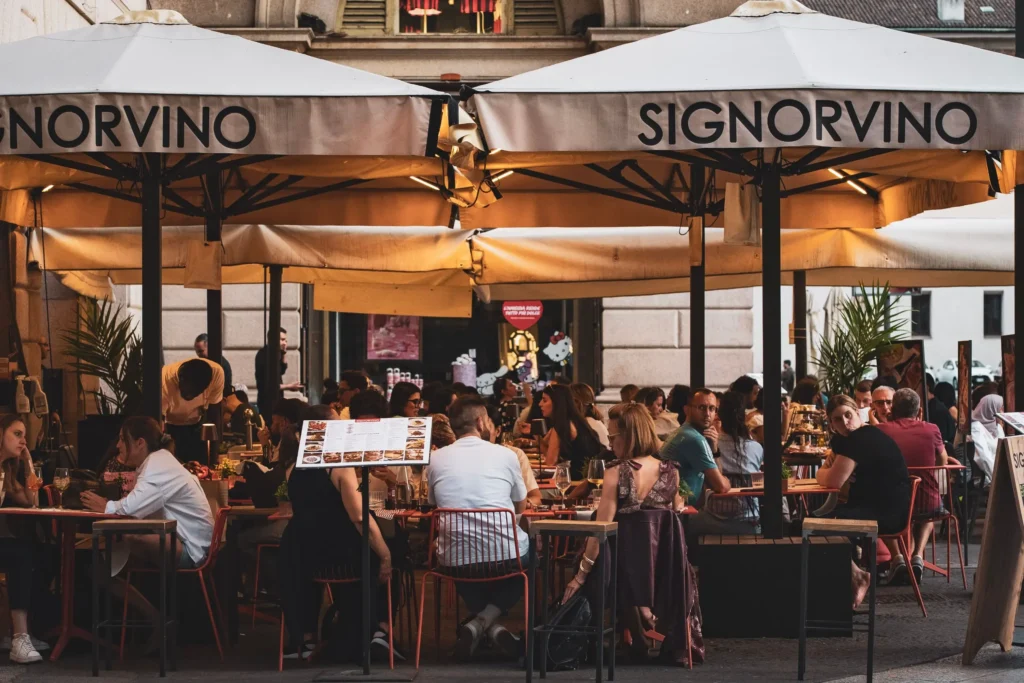
Good promotion ideas don’t just attract customers once. They’re built so the story keeps giving, through social media posts, online reviews, and word of mouth from people who saw it happen. A promotion that photographs well or sounds shareable does half the marketing work, and it can promote your restaurant far past the people who were actually there.
Restaurant owners who think like this treat every offer as content first, discount second. A “name your price” hour, a blind tasting menu, or a dish inspired by customer preferences submitted through a simple QR code on the table all give guests something to post about. These small touches help create memorable experiences that customers love, and that’s free promotion your restaurant didn’t have to pay for.
Even a menu built with kids in mind, like a build-your-own dish night, can pull in new diners who might not have booked otherwise. Community engagement matters here too, since restaurants that show up for local events tend to be the ones locals talk about first.
Turning Loyalty Rewards And Online Reviews Into More Diners And More Bookings
Loyalty rewards work best when they feel personal instead of automatic. A card that offers early access to a new dish gives loyal customers a reason to keep showing up, and encouraging repeat visits becomes easier when people feel recognized rather than just tracked. This builds a customer base that feels like part of the restaurant’s story, not just a mailing list.
More diners and more bookings usually follow when a promotion gives people something to talk about before they’ve even eaten. Special offers tied to special occasions, like an anniversary dinner or a graduation, tend to drive real repeat visits because they attach to a memory, not just a meal. Encouraging customers to leave a quick review after these moments builds a stronger case for the next diner deciding where to go.
None of this needs to be complicated. A well-run loyalty program, paired with steady community effort, does more for sales and cash flow than another blanket discount ever will, and it protects profits during quieter weeks.
Why Seasonal Promotions Like Mother's Day And Happy Hour Specials Still Need Limited Time Urgency
Seasonal promotions built around days like Mother’s Day work because the date already carries
meaning. Add limited time offers built around seasonal menu items, and new customers get a reason to book that has nothing to do with price. The same goes for happy hour specials, which succeed when they feel like a real event instead of a permanent fixture, and can even fill more seats on nights that are usually quiet.
Urgency matters here. A special menu that runs forever stops feeling special, but one that disappears in a week makes people act quickly. That single word, limited, does more to drive dining bookings than any discount attached to it, and it often brings in more money without asking guests to spend more per visit.
This is the kind of value Media Grid helps restaurant owners build into their calendar year round, not just for one big holiday, whether that means a sharper website, a better offer, or a story worth writing about. Getting press isn’t about luck, it’s about giving reporters, and diners, a reason to pay attention. Restaurants that keep taking small, smart risks with their dining experiences tend to be the ones still full a year from now.