Timing a media launch is often the difference between a packed dining room and a completely ignored announcement. Many restaurant owners spend months perfecting their interior design and menu, only to send their press materials two days before opening the doors. They expect immediate glowing reviews, but instead, they receive total silence from journalists whose calendars were filled weeks ago.
Sending news too early can be just as damaging as reaching out at the very last minute. Pitching a concept before your kitchen runs smoothly risks inviting media to an unfinished experience that hurts your reputation early on. Finding the exact sweet spot for your news distribution is what turns a simple launch into a sustained media campaign.
Print Editors Plan Months Ahead, Not on Your Schedule
Major print magazines and lifestyle publications operate on strict editorial calendars that are set months in advance. If you want your venue featured in a monthly print issue or a curated print dining guide, pitch materials sent three weeks prior are already far too late. Editors working on physical publications have usually finalized their page layouts and sent files to the printer long before your launch week arrives.
To secure coverage in these traditional outlets, you must prepare basic photography and story details up to three months before your launch. You do not need every single menu item finalized, but you do need a clear concept, key staff details, and a firm opening timeline. Giving print editors adequate lead time ensures your restaurant is included in major upcoming print features right when you open.
Digital Writers Need Weeks, Not Days, to Care About You
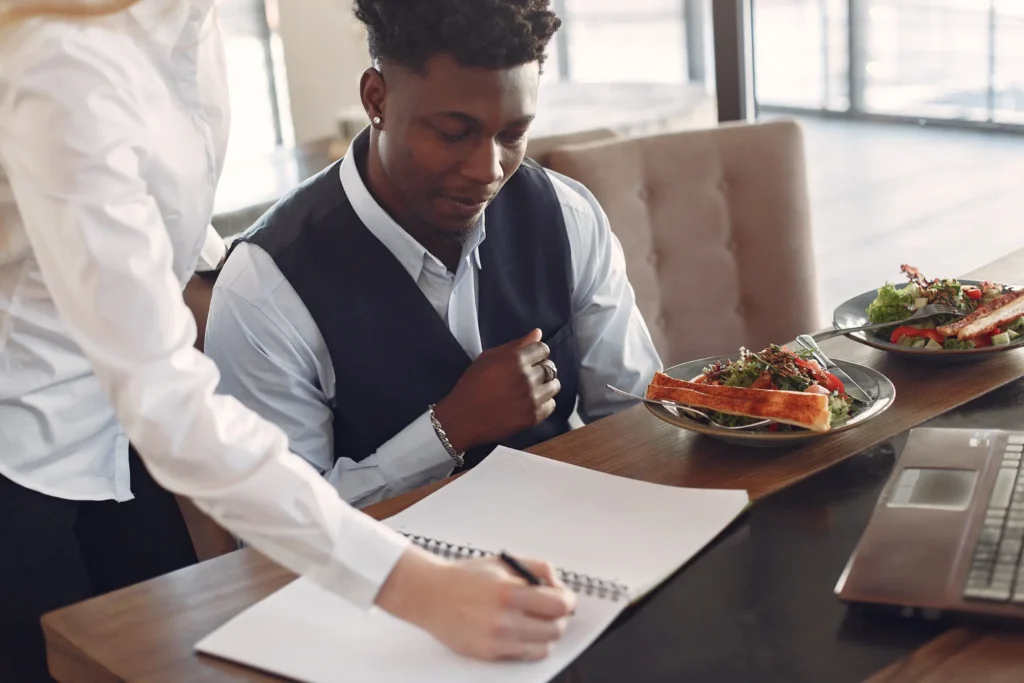
Online food publications, digital news sites, and freelance journalists move much faster than print magazines, but they still require proper notice. Top digital writers plan their content schedules several weeks out to balance venue reviews, trend pieces, and sponsored content. Reaching out three to four weeks in advance gives them enough time to review your story, request high-resolution images, and schedule a tasting session.
If you contact digital writers only a week before your event, you force them to decline simple scheduling conflicts. Freelancers also need lead time to pitch your story to their target editors before securing a commission. Providing a three to four-week buffer allows online journalists to write thoughtful pieces that launch alongside your public opening day.
Pitching on Opening Day Proves You Planned Poorly
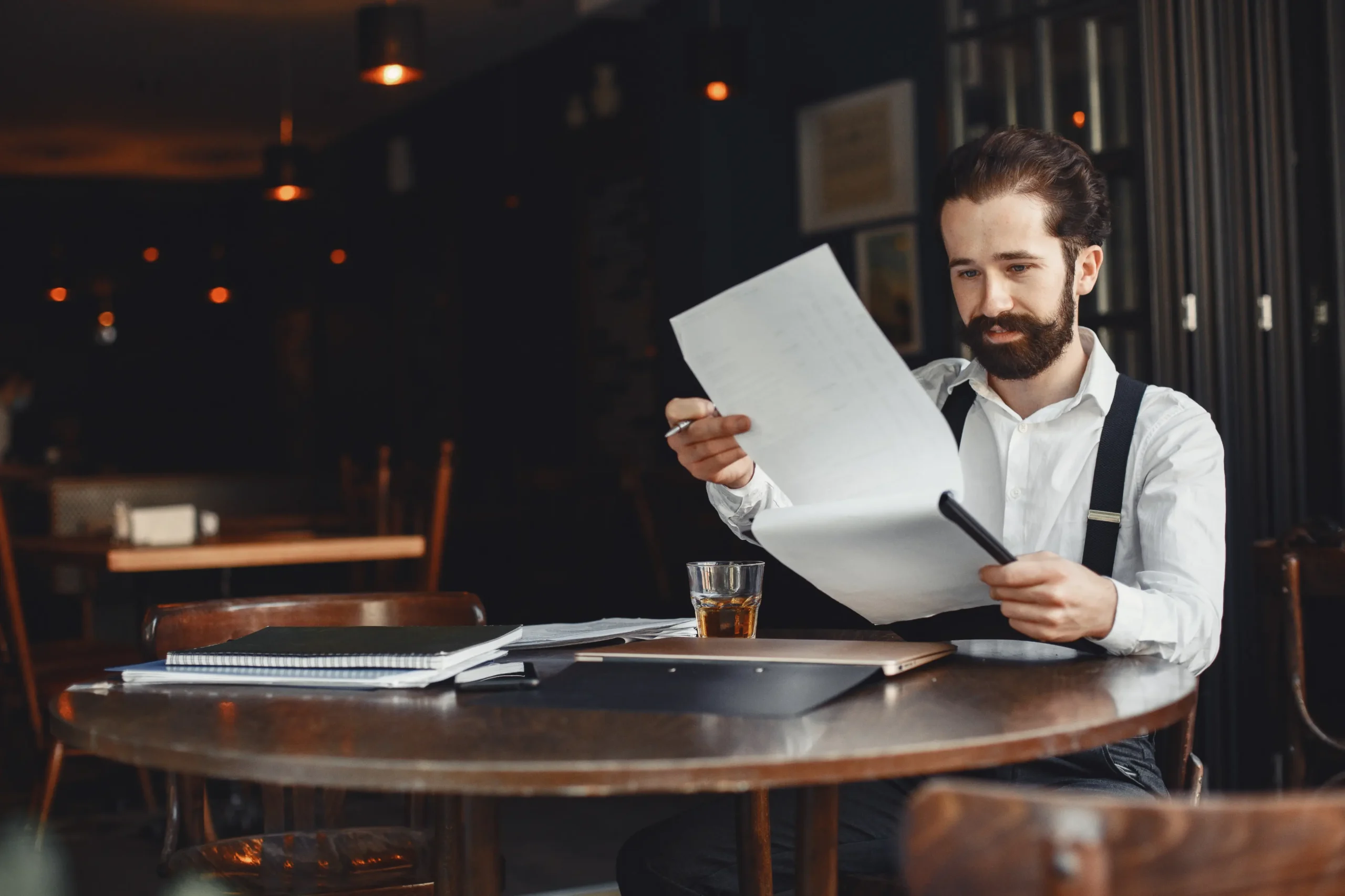
The worst time to pitch your restaurant news is the day your doors officially open to the public. Journalists rarely publish same-day reviews, and pitching late signals that your venue lacks organization and professional planning. By the time an overworked editor processes a last-minute email, your opening week has passed, and your news feels stale to readers looking for the next fresh concept.
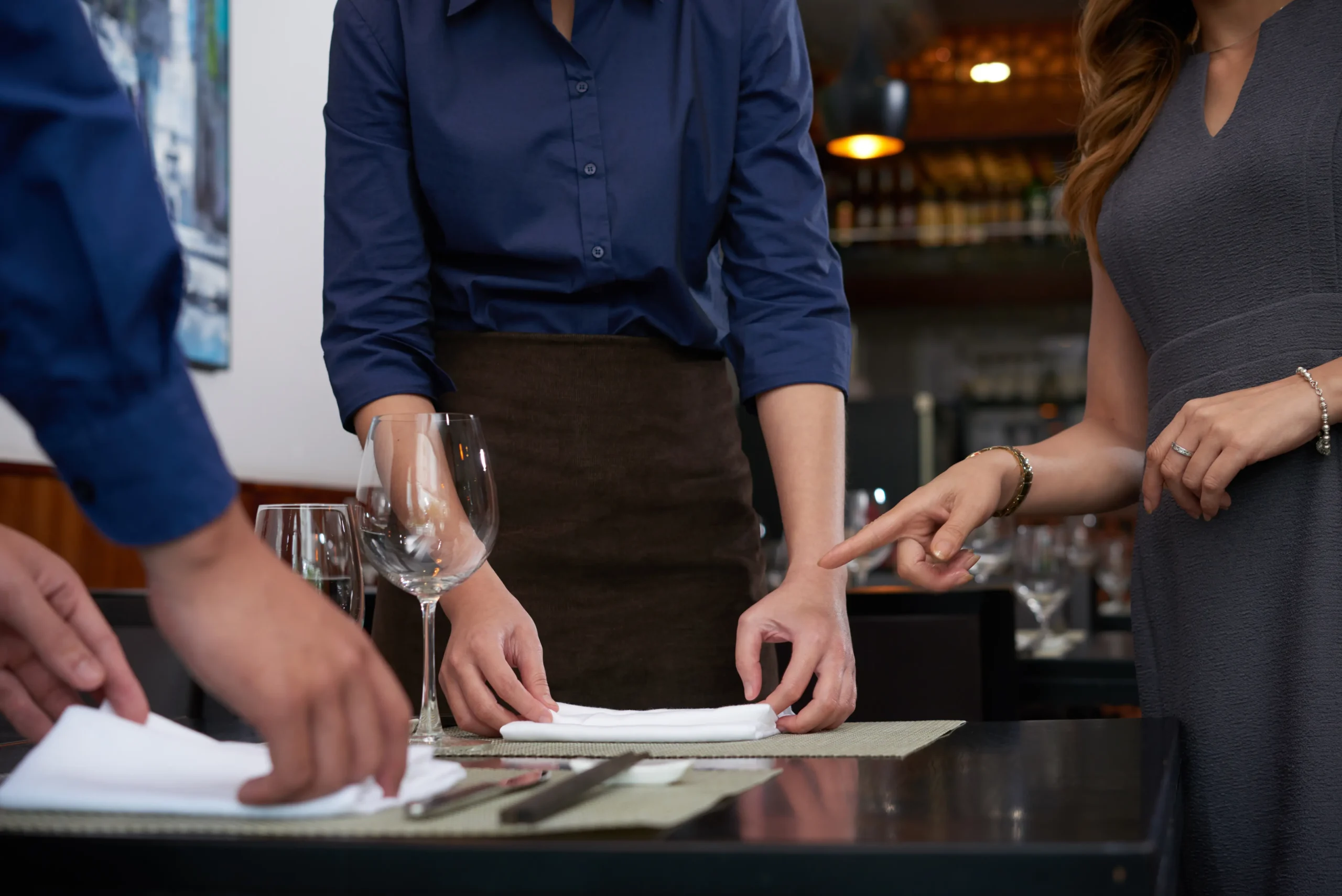
Waiting until opening week also deprives your front-of-house team of a proper testing period before high-profile guests arrive. You want your kitchen to iron out service hiccups during quiet soft launches long before major media figures sit down at your tables. Pitching on time gives you the space to refine food quality so that when journalists finally arrive, the dining experience is flawless.
Respect Media Deadlines or Prepare for Empty Tables
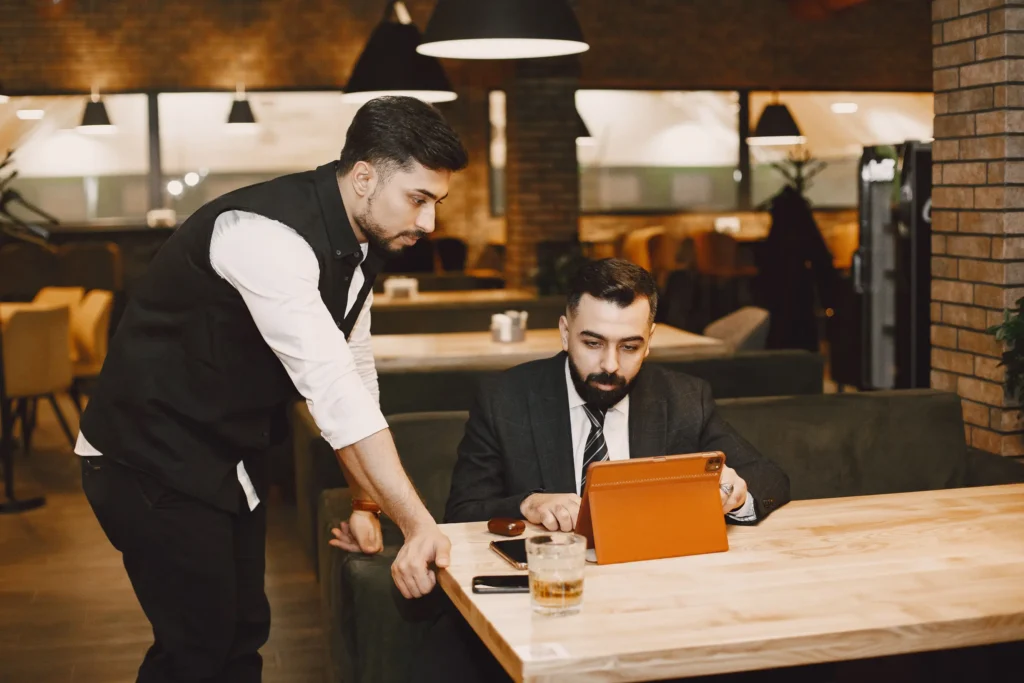
Understanding media production schedules is essential for keeping your brand relevant in a fast-moving food market. Restaurants that master the art of news timing build smooth relationships with writers and secure steady feature coverage throughout the year. Coordinating your communication timeline with real media deadlines ensures your venue stays top of mind for diners planning their next night out.
At Media Grid, we align restaurant story launches directly with the operational realities of local newsrooms. We build realistic outreach schedules that respect editor deadlines, avoiding last-minute rushes and wasted opportunities. Managing your media timing correctly protects your launch investment and keeps your dining room busy long after the initial opening excitement fades.
If you are planning a menu update or venue launch, map out your media outreach strategy immediately. Stop waiting until the last minute, give journalists the lead time they need, and deliver your story when editors are actually ready to print it. That disciplined approach to timing is what turns a single announcement into consistent media coverage for next year.