Sending a food writer a blurry smartphone shot taken under warm yellow dining room lights is the fastest way to kill a press feature. Editors browse hundreds of pitches every week, and visual assets are what catch their eye before they ever read a single word of your copy. If your photography looks flat, greasy, or dark, your opening story gets tossed straight into the archive.
High-end publications demand press-ready visual assets that fit their editorial aesthetic without requiring hours of color correction. Investing in the right visual angles protects your brand image, supports your brand story, and gives media outlets everything they need to feature your venue prominently.
Editorial Quality vs. Unusable Media Assets
| Visual Element | Photos That Get Featured | Photos That Get Ignored |
| Lighting | Soft natural daylight, clean directional key light | Harsh direct flash, murky yellow ambient dining lights |
| Styling & Composition | Tight depth of field, clean rim, negative space | Cluttered tables, dirty linen, reflective cutlery glare |
| Orientation & Format | High-res landscape and portrait options | Single low-res square crop, aggressive social media filters |
| Subject Focus | Hero dish texture, genuine kitchen action | Over-staged poses, empty dining rooms, sterile interiors |
Food editors want authentic, appetizing visuals that pull readers right off the screen and into your seats.
Natural Light and Texture Drive Editorial Interest
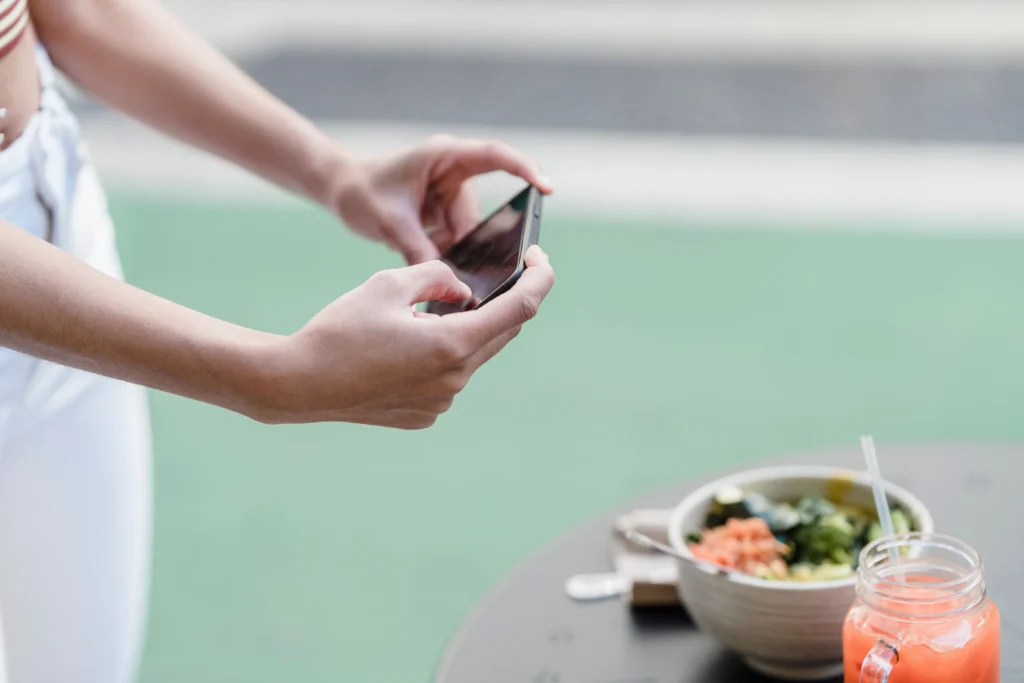
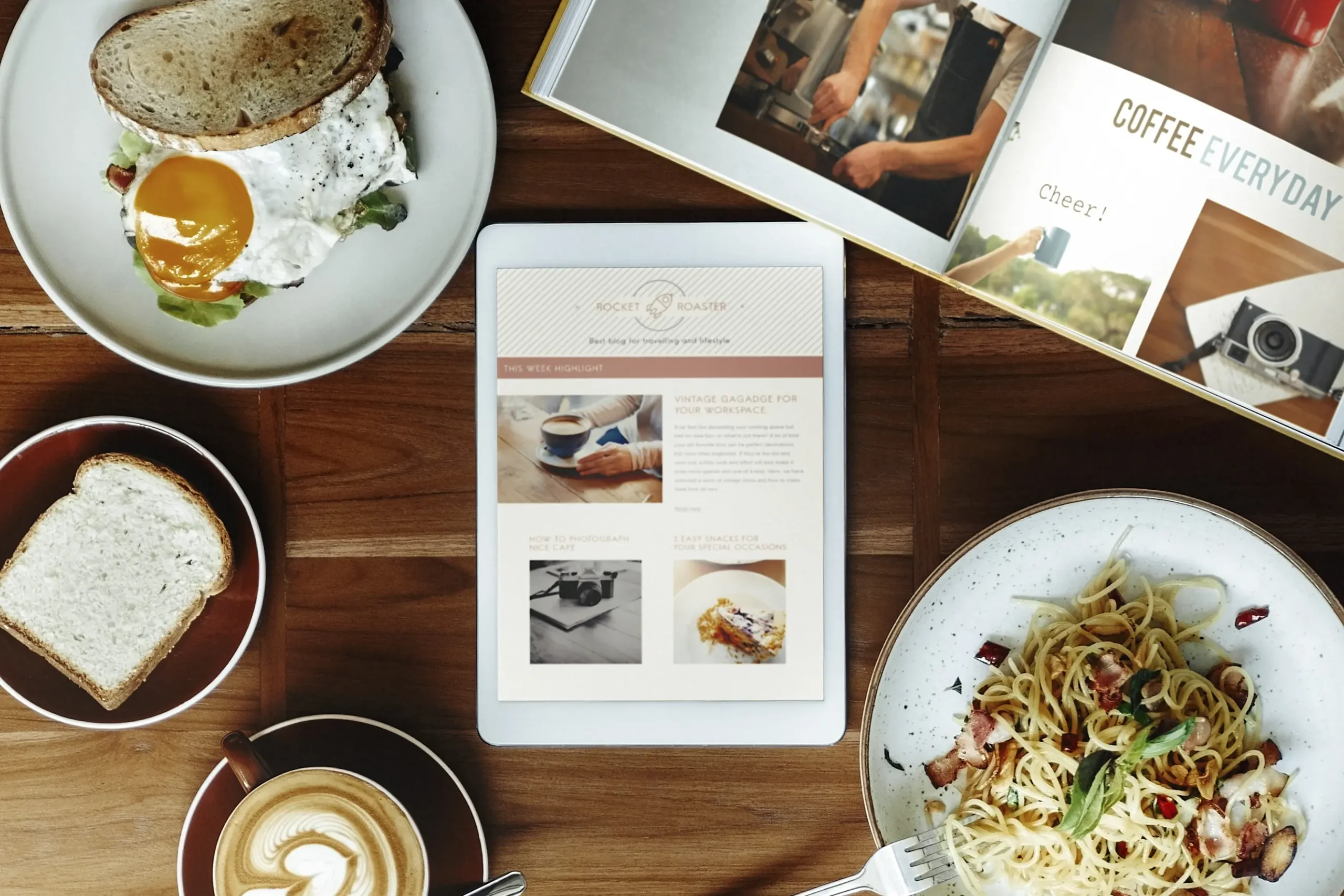
Over-processed, hyper-saturated food photos look like cheap fast-food flyers. Professional food writers look for natural textures that showcase culinary technique, fresh ingredients, and thoughtful plating.
- Shoot under natural light: Schedule your professional photo sessions during morning or early afternoon hours near large windows to capture rich, natural color depth.
- Capture real kitchen energy: Pair clean dish hero shots with candid action captures, like a chef plating under pass lights or a bartender straining a signature cocktail.
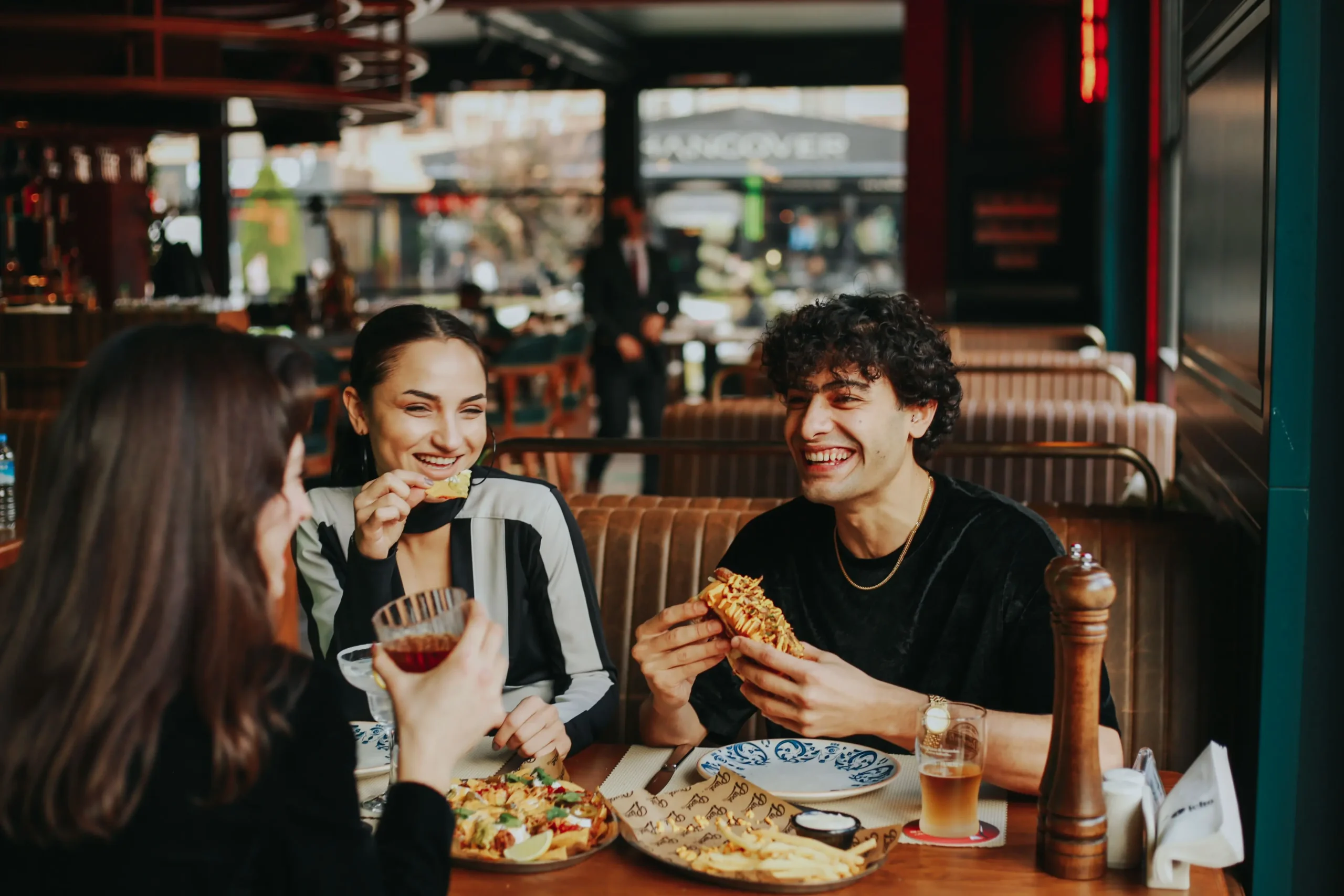
- Showcase the dining atmosphere: Include wide interior shots that capture the mood and architecture of your venue without looking like an empty real estate listing.
When your visual assets feel vibrant and authentic, publications can easily slot them into lead features, weekend dining roundups, and digital cover stories.
Label and Format Your Images for Instant Media Use
Even stunning photography gets sidelined if your file delivery is a total mess. Editors operating on tight deadlines will not waste time renaming cryptic camera files like IMG_9042.jpg or guessing the ingredients in an unlabelled dish photo.
- Use descriptive file names: Label every image file with your venue name, dish title, and orientation (e.g.,
VenueName_WagyuStriploin_Landscape.jpg). - Provide dual resolution formats: Include full-resolution print files for physical magazines alongside compressed digital files optimized for web publishing.
- Organize folders logically: Group your media assets into clear subfolders for Food, Drinks, Interiors, and Culinary Team inside your cloud storage link.
Our media teams at Media Grid build standardized image delivery protocols for dining groups, ensuring every asset meets strict publication criteria the moment a pitch hits an editor’s desk.
Great Visuals Turn Pitches Into Front-Page Features
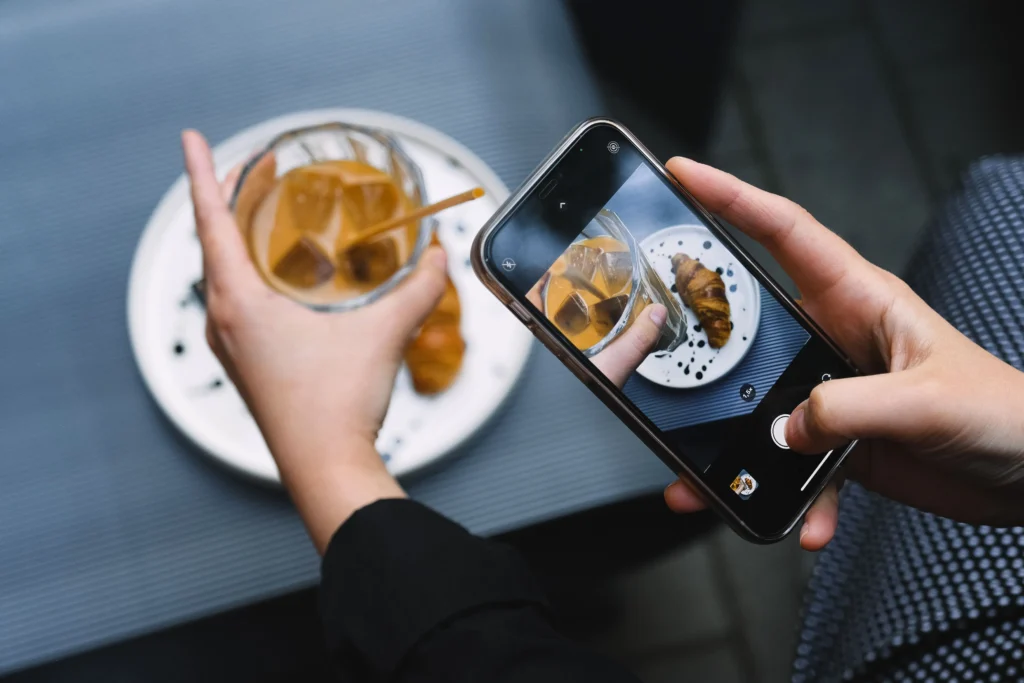
Your food photography is an extension of your kitchen pass. Serving subpar, poorly lit photos to top-tier journalists signals a lack of operational polish and cheapens the overall perception of your venue.
Take a hard look at your current media folder today. Replace dark, cluttered imagery with clean, naturally lit photography that highlights your team’s culinary craftsmanship and invites diners through your doors.