Most restaurant campaigns fail long before the public notices them. The food may taste good, the interiors may look expensive, and the launch photos may appear polished, yet the story still disappears after two weeks.
The problem is rarely budget alone. Restaurants often push generic claims nobody remembers, then wonder why diners forget them quickly. Strong restaurant media coverage works differently because the public remembers specific details tied to real experiences.
The Strongest Campaigns Focused On One Clear Idea
Many successful restaurant campaigns in Singapore became memorable because they stayed focused on one clear message. They did not overload journalists with five different angles competing for attention inside the same release.
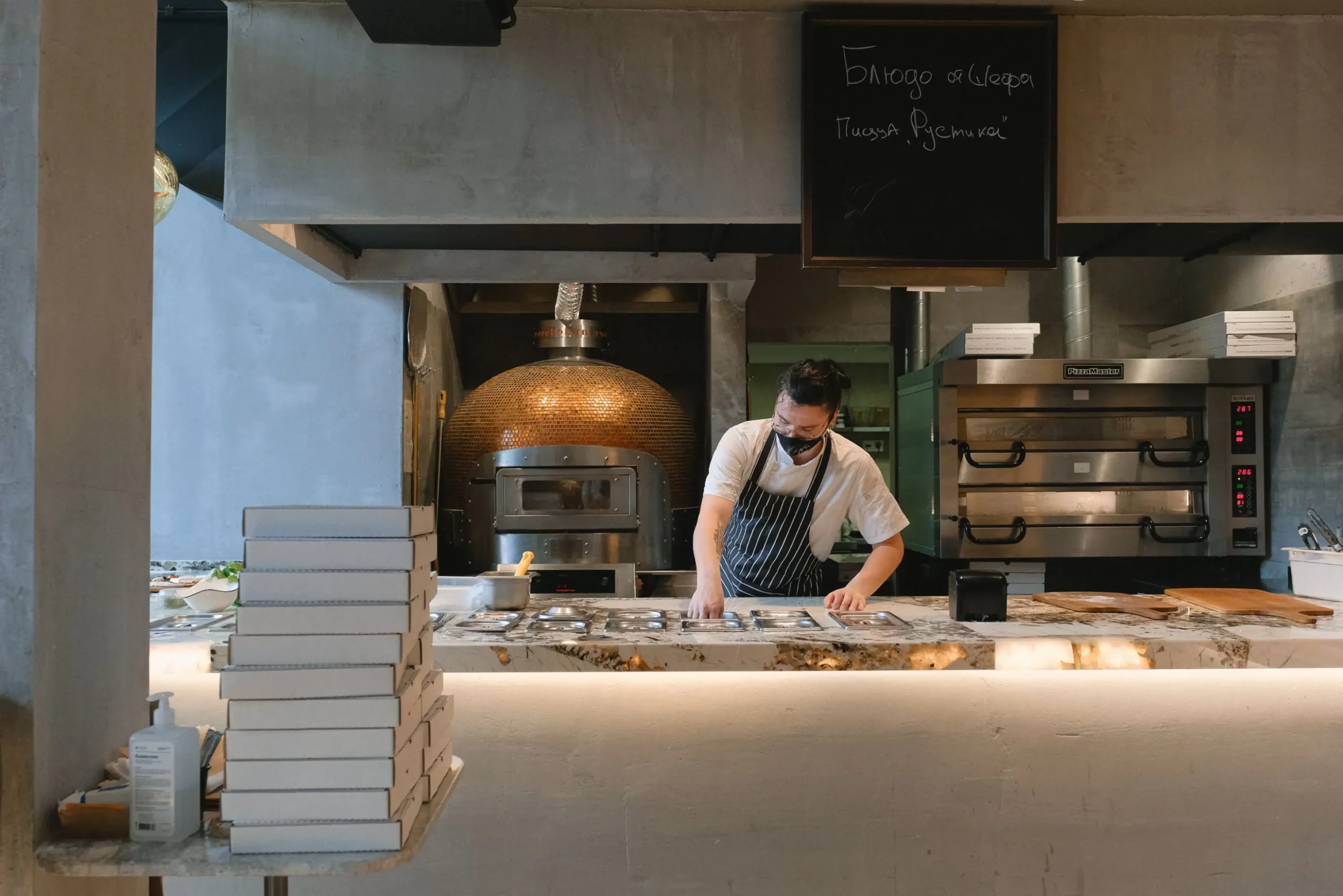
Some restaurants build attention around a single, difficult-to-prepare signature dish. Others focus on unusual sourcing, late-night dining culture, or a chef’s personal story. These grounded details are easy for people to repeat in conversation. Clear, focused campaigns also help editors quickly decide if the story fits their coverage plans, as confusing pitches get lost under deadline pressure.
Restaurants often think adding more information makes campaigns stronger. The opposite usually happens. Too many talking points confuse the public because nobody remembers what mattered most after reading the article.
The Best Coverage Matched The Real Dining Experience
Campaigns last longer when the actual restaurant experience supports the promises made publicly. Customers notice immediately when articles describe warmth, detail, or quality that never appears once they sit down to eat.
Some campaigns succeeded because the restaurant atmosphere matched the published story almost perfectly. A small chef-led restaurant described as intimate genuinely felt intimate during service. Diners walked away feeling the article represented the experience honestly.
This matters more in Singapore because diners share opinions quickly through private chats, online reviews, and social media posts. Public disappointment spreads faster than most owners expect once expectations break.
You might be interested in Managing PR When the Kitchen Nightmare Goes Public.
Restaurants with strong follow-through protect themselves better over time. Customers trust future coverage more when previous experiences felt accurate instead of exaggerated for publicity reasons.
Good campaigns also respected how the kitchen actually runs. Restaurants that forced unrealistic promotions onto exhausted staff often damaged service quality during the exact period new customers arrived in larger numbers.
Timing Helped Good Campaigns Stay Relevant Longer
Many successful campaigns gained traction because they appeared at the right moment, not because they shouted louder than competitors. Timing shapes attention more heavily than most restaurant owners realize.
Some campaigns launched around cultural events, festive periods, or seasonal menu shifts already relevant to public interest. Others arrived during quieter media periods where journalists actively searched for stronger restaurant stories to fill coverage space.
Restaurants that pitch too early often waste momentum before opening systems stabilize properly. Restaurants that pitch too late lose freshness because competing venues already dominate public conversation by then.
Good timing also means understanding editorial planning cycles. Writers usually prepare food features weeks before publication dates, especially during major holiday periods or annual dining roundups.
Campaigns with longer staying power usually continued feeding media small updates after initial launch coverage. Chef collaborations, limited menus, or meaningful anniversaries extended attention naturally without forcing artificial excitement.
Restaurants Stay Visible When Public Interest Feels Earned
The strongest restaurant campaigns rarely looked desperate for attention. They built curiosity steadily by giving people something useful, interesting, or emotionally familiar to talk about after dining.
Restaurants that survive longer often understand this difference clearly. Publicity works best when diners feel they discovered something worthwhile, not when they feel pushed toward another trendy opening with inflated claims.
This matters even more now because customer attention spans keep shrinking. Diners scroll past repetitive restaurant content daily, especially when every new opening claims to be “unique” without proving anything specific.
Campaigns with lasting value usually respected smaller details others ignored. Clear staff knowledge, steady food quality, realistic reservation handling, and honest communication supported the public image created earlier through media attention.
Media Grid often reminds restaurants that public perception grows slowly but collapses quickly. One good article helps temporarily, but repeated consistency keeps people returning months after launch season disappears.