Most restaurant coverage disappears fast. A write-up lands, reservations spike for a weekend, then attention fades before the next rent payment arrives. Owners often mistake short traffic bursts for long-term public interest.
The problem usually starts with the story itself. Many restaurants chase launch hype, influencer visits, or trendy menu items without building a reason for diners to remember them months later. Temporary attention feels exciting, but temporary attention rarely keeps seats full through slower periods.
Strong Stories Last Longer Than Loud Announcements
Media coverage lasts longer when the story explains something deeper than a new opening. Journalists remember restaurants with clear identity, strong consistency, and visible purpose inside the dining experience itself.
Restaurants built around real habits tend to stay relevant longer. A hawker-inspired tasting menu, a chef preserving family recipes, or a kitchen focused on one difficult technique gives people something concrete to remember later. Those details survive beyond launch season because they still matter months after publication.
Coverage also lasts when the dining experience matches the article people first read. Customers notice quickly when press photos look different from the actual meal. Once expectations break, public interest fades faster than most owners expect.
This is why strong restaurant media coverage depends heavily on operational consistency. The food, pacing, service, and atmosphere must support the original story every single week after publication appears online.
Media Attention Fades Fast Without Follow-Through

One article rarely carries a restaurant for an entire year. Public attention moves constantly, especially in Singapore where new openings appear every week across every dining category.
The timing matters as much as the idea itself. Restaurants often wait until business slows before reaching out again, but editors usually work weeks ahead of public release dates. Late pitches miss planned editorial windows and lose relevance immediately.
Good follow-through also means keeping communication simple. Editors do not want long essays filled with marketing lines. They want clear updates, useful photos, accurate information, and responses delivered quickly enough for publishing deadlines.
Restaurants that disappear after one article usually struggle later because public memory fades quietly. Diners stop hearing the restaurant name often enough, so newer places slowly replace them inside regular customer conversations.
Restaurants Stay Relevant When The Story Feels Human
People rarely remember technical details about restaurants for very long. They remember personalities, habits, struggles, and routines they emotionally connect with during a meal or article.
A chef explaining why he arrives before sunrise every morning feels more believable than another statement about “premium ingredients.” Human behavior creates stronger memory because readers picture real effort instead of polished advertising language.
Restaurants also stay relevant longer when owners show how the kitchen actually runs. Honest details about sourcing problems, prep routines, staffing pressure, or changing menus make restaurants feel alive instead of manufactured for social media.
This type of honesty builds familiarity over time. Diners return because the restaurant feels consistent with what they originally read months earlier. Familiarity slowly becomes trust, and trust keeps customers returning during quieter seasons.
Long-Term Attention Matters More Than Opening Week
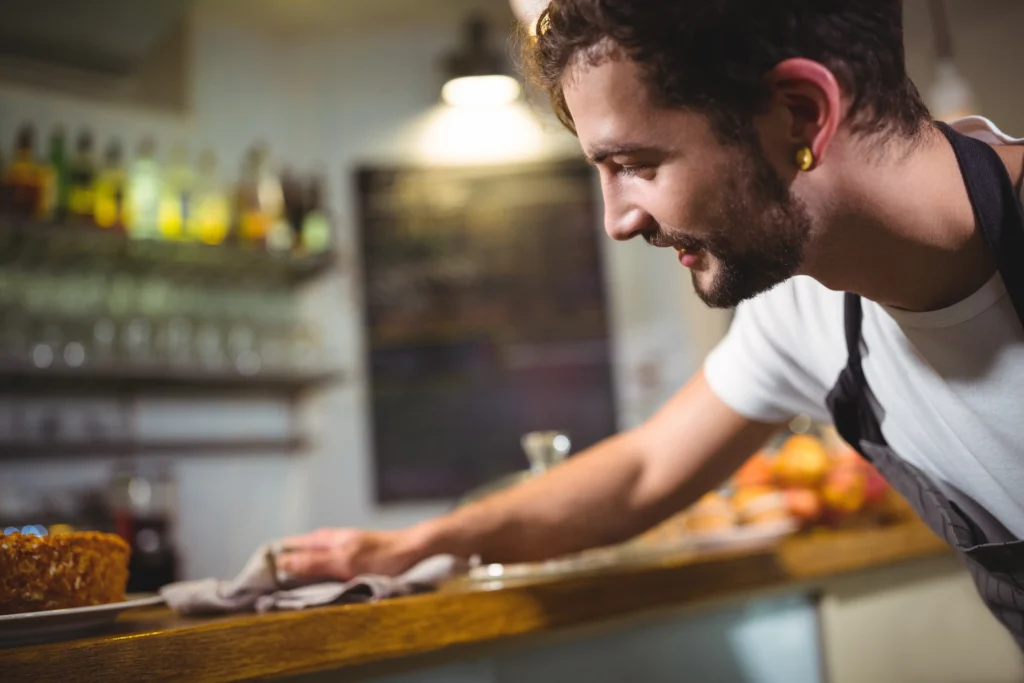
Many restaurants spend heavily for opening month exposure while ignoring what happens six months later. Strong coverage should still help bookings after the excitement from launch week disappears completely.
Restaurants with lasting media value usually avoid chasing every trend online. They focus instead on building recognizable experiences people describe consistently to friends, coworkers, and returning customers over time.
That approach matters more now because diners have endless choices competing for attention every single day. A restaurant without lasting identity slowly blends into everything else around it, even if the food remains technically good.
Long-term public attention also protects restaurants during slower economic periods. Customers return more confidently to places they already trust, especially when spending becomes tighter and dining choices become more selective.
Media Grid handles the public-facing side carefully so restaurant owners stay focused on cooking, staffing, and service quality. The goal is simple. Build stories strong enough to remain useful long after the first headline disappears.