Some restaurants stay busy without shouting constantly online. Others spend heavily on promotions yet still struggle to stay relevant after a few months. The difference often comes down to how people perceive the restaurant long before they decide to book a table.
Good restaurant PR shapes that perception slowly and consistently. It gives customers reasons to trust the restaurant before they even walk through the door. Many owners think PR means getting featured once in a magazine or food blog. Real restaurant PR works quietly in the background for much longer than that.
Good PR Makes Restaurants Easy To Understand
Customers lose interest quickly when a restaurant feels confusing. They should understand the concept, food style, and atmosphere within seconds of seeing the restaurant online or hearing about it from someone else.
Clear communication matters because diners already face too many choices every day. If the messaging feels vague, people move on without thinking twice. Strong PR keeps the restaurant identity focused so customers remember what makes the place worth visiting.
This clarity also helps journalists and creators understand the business faster. Media coverage becomes easier when the restaurant story feels direct instead of overloaded with buzzwords or dramatic claims. Editors want simple angles they can explain quickly to readers.
Restaurants often weaken their own image by changing direction constantly. Good PR keeps the restaurant grounded in a consistent message customers recognize over time.
Good PR Reflects The Actual Dining Experience
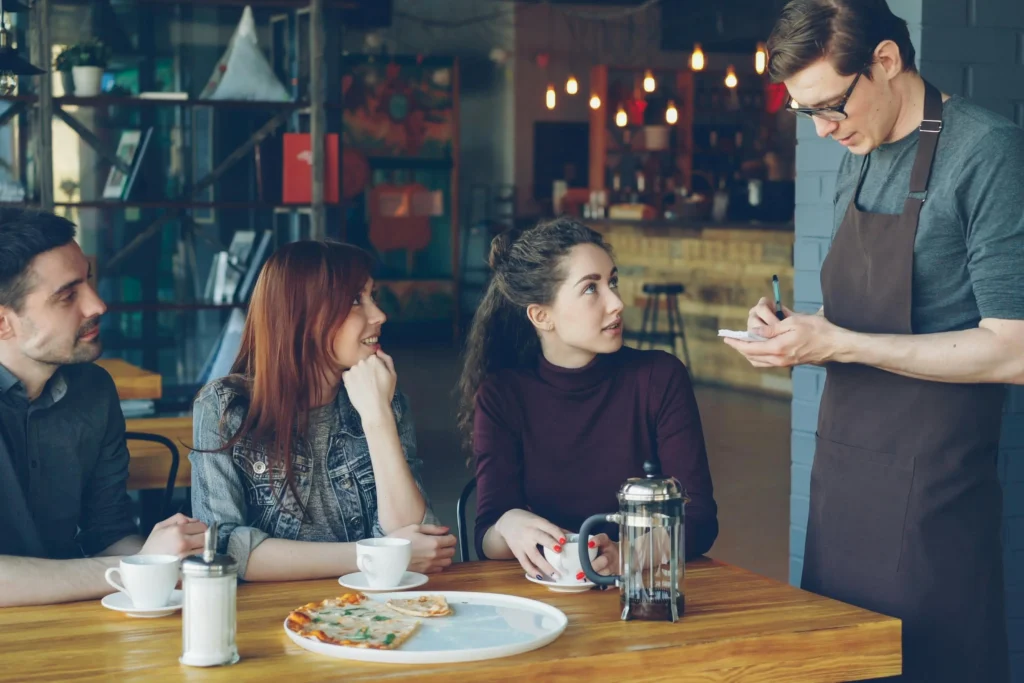
PR fails when expectations and reality feel completely different. Customers notice immediately when online messaging promises something the restaurant cannot deliver consistently during service.
This happens often with exaggerated promotions or overly polished branding. Beautiful photos and dramatic descriptions attract attention briefly, but disappointment spreads faster once diners feel misled after arriving. Confused customers rarely return quietly. They usually share the experience publicly.
Strong PR reflects how the kitchen actually runs, how the staff interacts with guests, and what customers genuinely experience during a meal. Honest communication creates better long-term trust because diners know what to expect before booking.
Restaurants do not need perfection to build strong public perception. They need consistency. Customers forgive small flaws more easily when the overall experience matches the expectations created beforehand through media coverage, social content, and word-of-mouth.
Good PR Creates Steady Visibility Instead Of Noise
Many restaurant owners chase attention only during openings, collaborations, or slow business periods. After the campaign ends, communication disappears completely until the next emergency arrives months later.
Good PR avoids this cycle by maintaining steady public visibility throughout the year. Customers continue hearing about the restaurant through seasonal updates, media features, chef stories, menu changes, or community involvement. The attention feels natural because it develops gradually.
This consistency matters because customers forget quickly in crowded dining markets. Restaurants competing for attention every day cannot rely only on one successful launch article from the past. Public attention fades faster than most owners expect.
Steady visibility also builds stronger media relationships over time. Journalists usually prefer restaurants that communicate clearly and regularly instead of appearing suddenly only when publicity feels urgently needed. Familiar restaurants become easier to feature because trust already exists between both sides.
Good PR Helps Restaurants Stay Relevant Longer
Restaurants close quietly all the time despite serving good food. Many disappear because customers stopped thinking about them while newer businesses captured attention more consistently. Visibility affects survival more than owners sometimes realize.
Good PR keeps the restaurant present in public conversation even during slower business periods. Customers continue recognizing the name because they encounter the restaurant repeatedly through different channels across the year. Familiarity creates stronger trust than occasional bursts of attention.
This becomes even more important when dining habits change or economic pressure affects spending. Customers usually return first to restaurants they already recognize and trust. Businesses with weak public presence often struggle harder during uncertain periods because they faded from customers’ minds earlier.
Media Grid approaches restaurant PR by focusing on clarity, consistency, and communication tied closely to how the restaurant truly operates daily. Owners should spend more time improving food and service instead of constantly chasing attention themselves. Good PR supports the restaurant quietly over time while helping customers remember the business long after trends move elsewhere.