For many restaurant owners in Singapore, securing media coverage feels like an elusive goal. You might look at a competitor in the CBD or a trendy spot in Tiong Bahru and wonder why they seem to be in every magazine and blog while your establishment remains under the radar. Is it just about having the best food? The answer is rarely that simple. Understanding what makes media feature restaurants is the first step in moving from obscurity to the spotlight. For actionable tips, check out our article: How To Get Your Restaurant Featured In Media (Without Guesswork).
The reality is that journalists and editors are looking for specific elements that go beyond a delicious plate of pasta or a perfectly poured latte. They are looking for content that engages their readers. When you understand their needs, you can tailor your approach to meet them.
The Power of a Unique Narrative
The most significant factor in why media features certain restaurants is the story behind the food. In a saturated market, “good food” is the baseline expectation, not a headline. To capture attention, you need a hook.
A compelling narrative gives a writer something to build an article around. This could be a chef who left a career in finance to pursue hawker heritage, a menu built entirely around ingredients sourced within Southeast Asia, or a unique architectural concept that changes the dining experience. For example, if you run a family restaurant, the story isn’t just the food; it is the history, the struggle, and the tradition passed down through generations. At Media Grid, we help owners identify these hidden gems within their own history to craft a narrative that resonates.
Visual Appeal and Digital Readiness
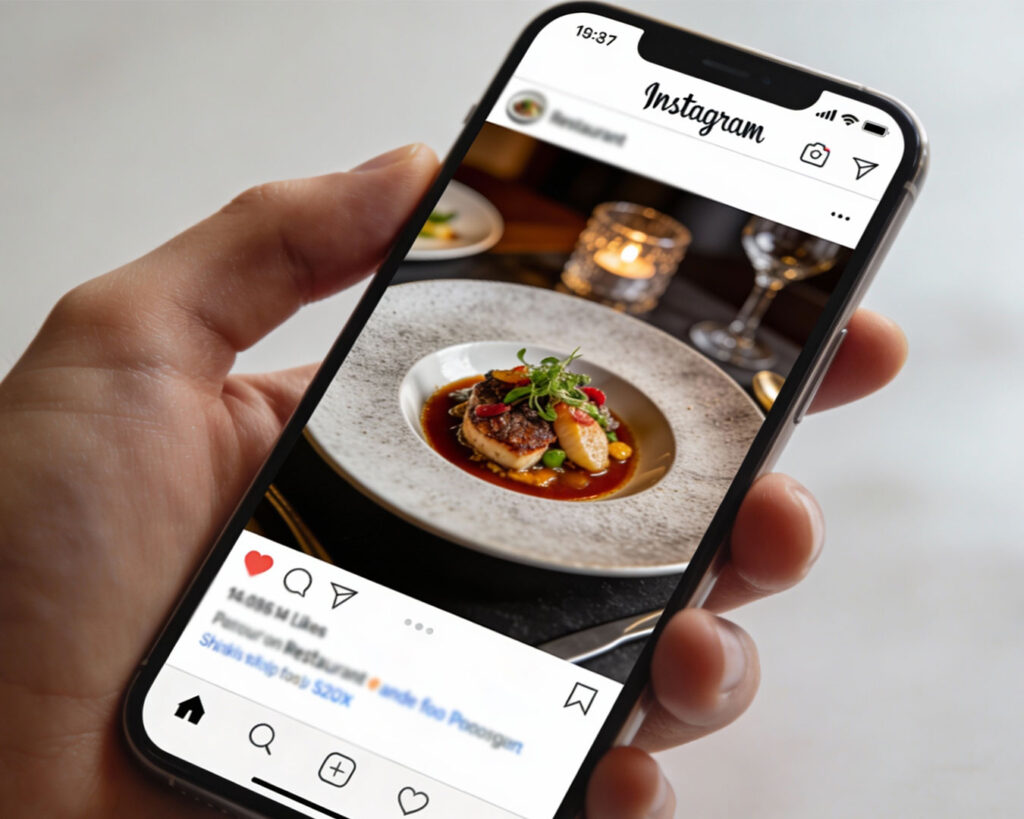
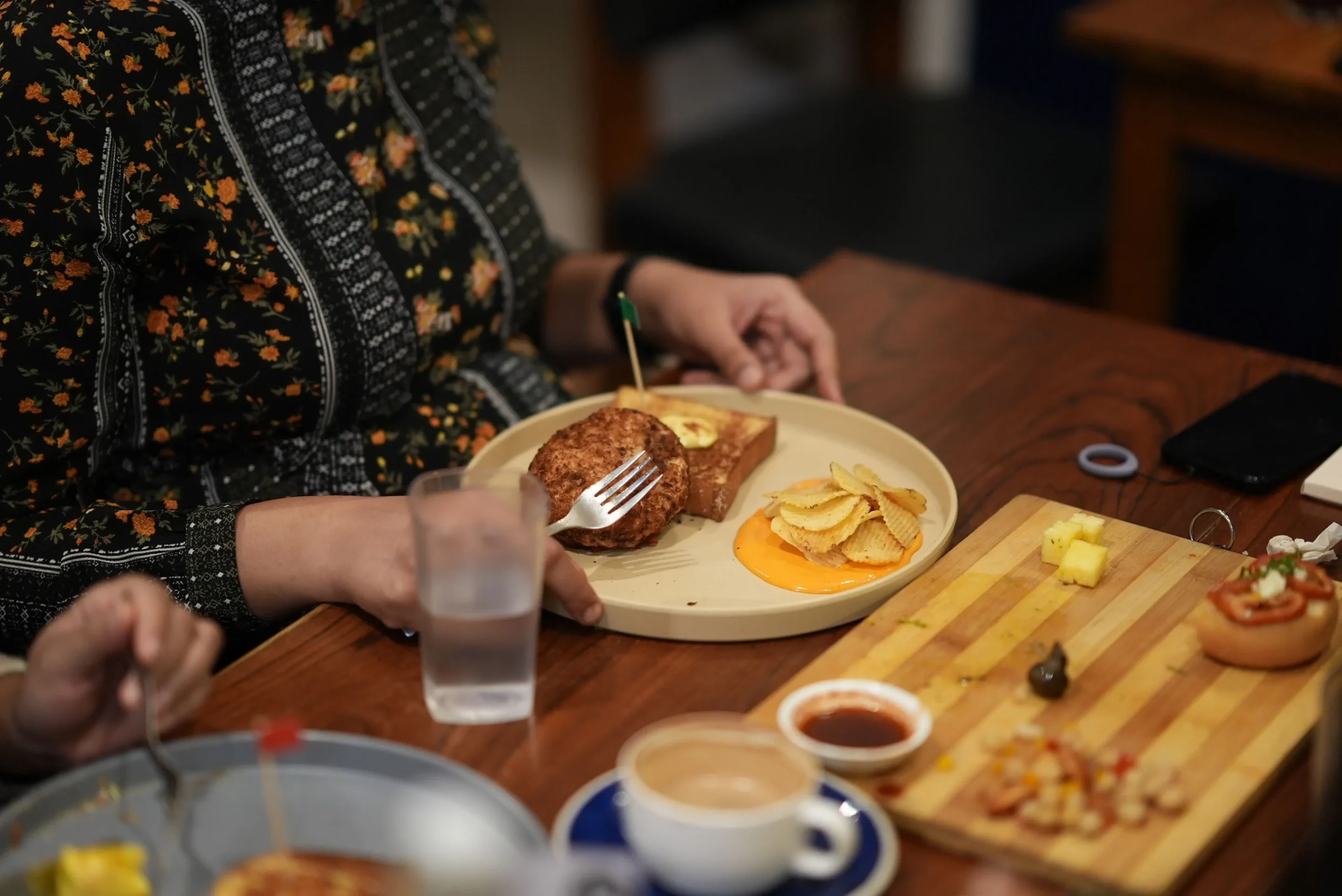
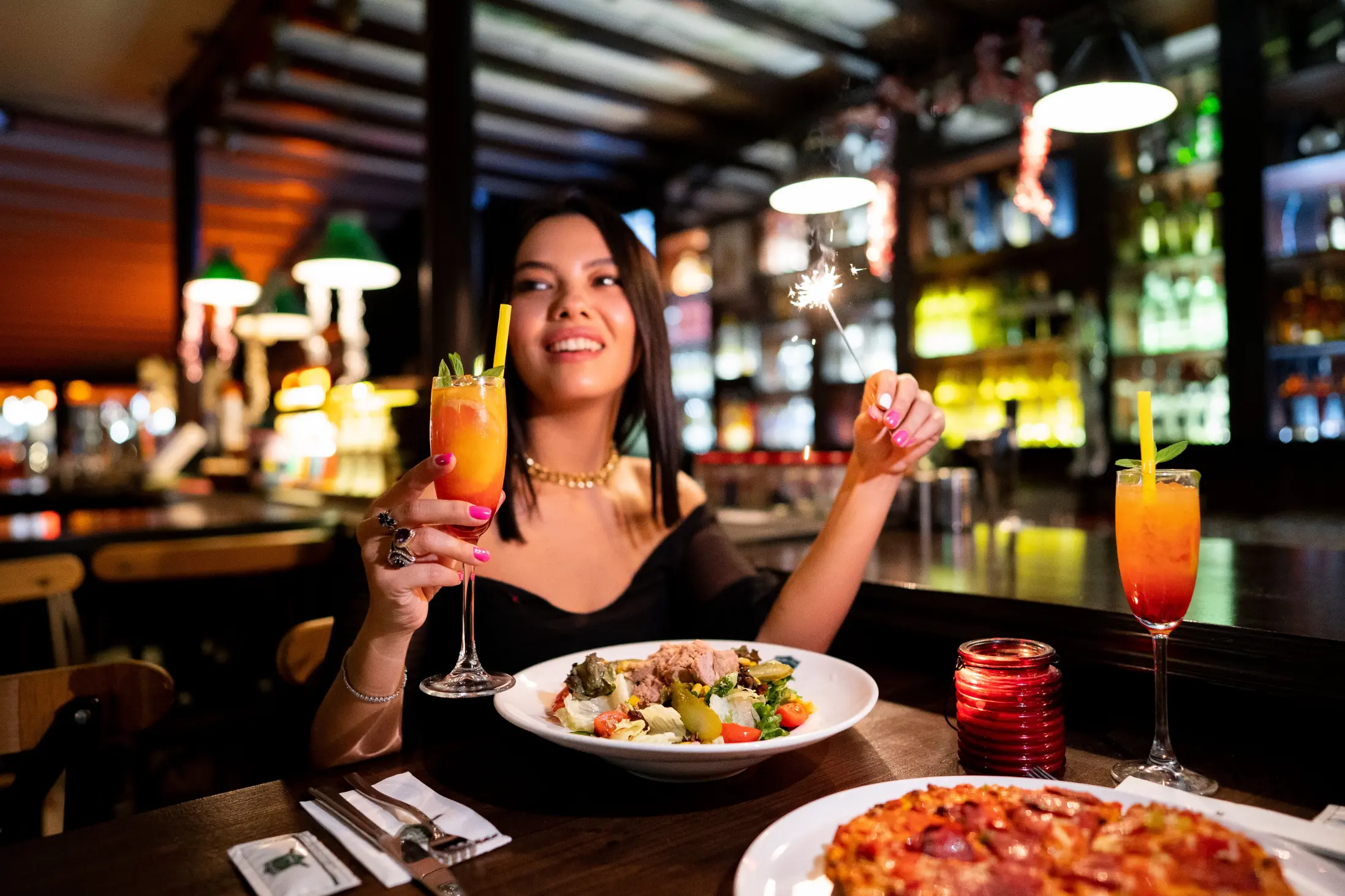
We live in a visual age. Before a journalist tastes your food, they—and their readers—will see it. One of the most practical restaurant media coverage tips is to invest in high-quality photography.
Media outlets are content machines that constantly need striking visuals to accompany their articles. If you can provide a link to a folder of professional, high-resolution images of your signature dishes and interiors, you make the journalist’s job significantly easier. Conversely, if your website is outdated or your social media feed is filled with dark, blurry photos, editors may hesitate. They need to trust that your brand’s visual identity matches the quality of their publication.
Relevance and Timeliness
Timing is everything in public relations. Journalists work in cycles and are often looking for stories that fit specific themes or trends. Understanding what makes media feature restaurants often comes down to relevance.
Are you launching a plant-based menu right when sustainable dining is trending? Do you have a special package for an upcoming holiday like Lunar New Year or National Day? Being relevant means aligning your restaurant’s activities with what the public is currently interested in. A restaurant that operates in a silo, ignoring the calendar and cultural conversations, will struggle to find a foothold in the news cycle.
Professionalism and Accessibility
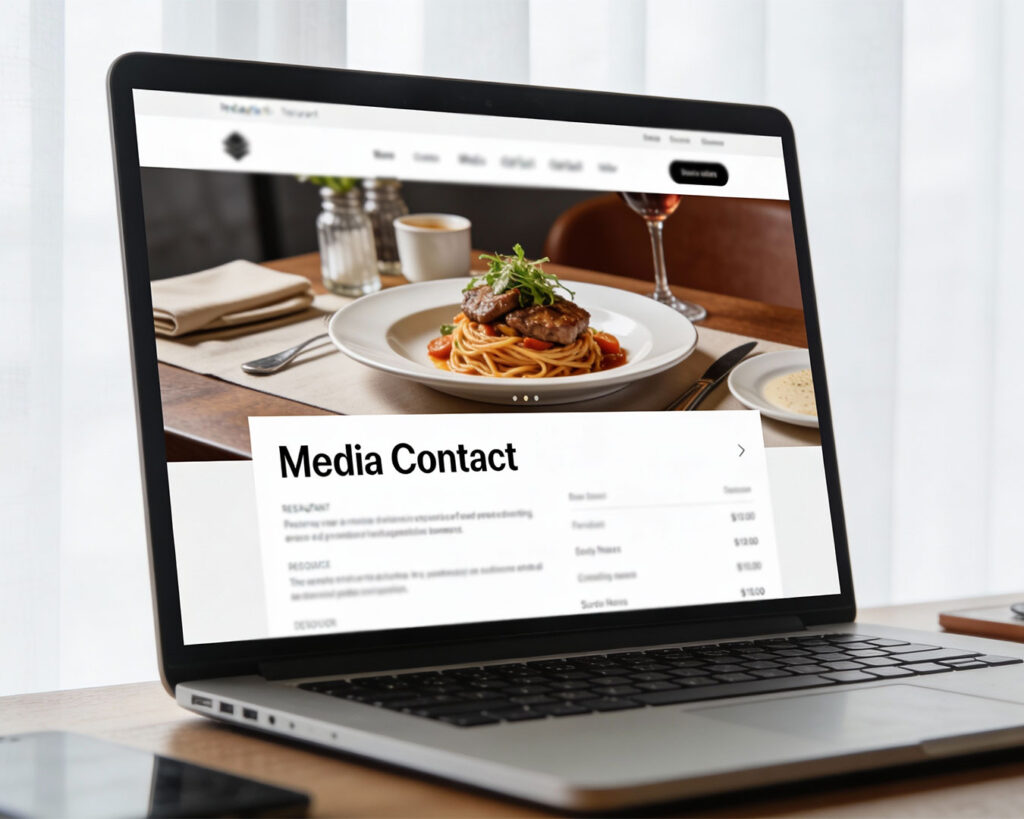
Sometimes, the barrier to coverage is simply logistics. Journalists work on tight deadlines. If they reach out to you for a quote or a high-res image and you take three days to respond, they will move on to the next contact.
Learning how to get restaurants featured in media involves being accessible and professional. This means having a clear “Press” or “Media Contact” section on your website. It means responding to inquiries promptly and having a press kit ready to go. When you make it easy for the media to work with you, you build a reputation as a reliable source, increasing the likelihood of repeat features.
Consistency Builds Confidence
Finally, media outlets want to recommend places they trust. They are putting their own reputation on the line when they tell their readers to visit you. If your service is erratic or your quality fluctuates, a journalist will be wary of giving you a stamp of approval.
Consistency in your operations, your branding, and your messaging builds confidence. It signals that you are a serious player in the industry, not a fleeting trend. This long-term reliability is what turns a one-time mention into sustained media relationships.
Many F&B owners find the world of PR daunting, often feeling that they lack the time or expertise to pitch their stories effectively. It is a common challenge, but it is one that can be solved with a strategic PR partner who understands the landscape.