Inviting an established food critic to your dining room causes immediate stress for any restaurant owner. You brief your service staff, double-check every plate on the pass, and monitor every table reaction from the corner of the room. Most operators assume that serving expensive ingredients and offering constant personal attention will guarantee a glowing written review in next week’s paper.
The reality is that overbearing hospitality often ruins the dining experience for a professional critic. Serious food writers do not visit your restaurant to be flattered by management or forced into polite conversation with the executive chef. Understanding how to read the room during a critical review visit is what separates confident venues from desperate ones looking for quick praise.
Critics Want a Normal Meal, Not Your Desperate Performance
Professional reviewers want to experience your venue exactly like any regular paying guest sitting at an adjacent table. When management hovering at the table interrupts every course to explain the menu, it disrupts the flow of the meal and prevents genuine conversation. Over-the-top fussing sends a clear signal that your daily front-of-house operations lack natural confidence and standard consistency.
Hovering over a critic also prevents them from evaluating how the kitchen actually runs during a normal busy service. If your kitchen sends out larger portions or extra complimentary dishes, the reviewer will notice the disparity immediately. Authentic hospitality means providing smooth, attentive service without putting on an artificial performance that makes everyone in the room feel uncomfortable.
Smothering a Reviewer Proves Your Service Lacks Real Confidence
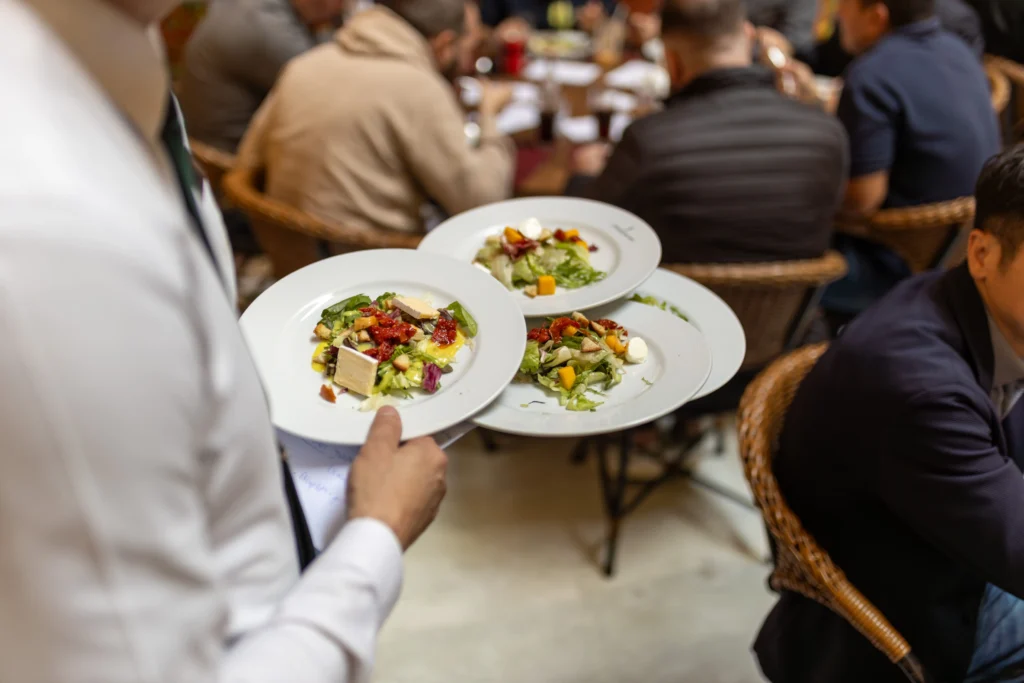
Trying too hard to control every second of a critic’s visit usually backfires and damages your professional standing. Food journalists quickly spot when service staff are nervous, scripted, or acting under direct orders from management to give preferred treatment. That awkward environment creates artificial tension at the table, making it impossible for the guest to enjoy their food naturally.
When you constantly interrupt a dinner to check for approval, you force the reviewer into giving superficial compliments just to maintain polite table manners. That forced interaction does not guarantee a positive review once the writer returns to their desk to file the story. Respecting their personal space demonstrates real confidence in your menu, while pushy behavior just invites negative scrutiny.
Ignore Table Cues and Watch Your Review Ratings Tank
Observing subtle body language across the dining floor is an essential skill for front-of-house managers during a review. If a reviewer is deeply engaged in private conversation or taking detailed notes, service staff should keep check-ins brief and efficient. Forcing long conversations about ingredient origins when a guest clearly wants privacy disrupts the entire evening and hurts your overall score.
Train your floor staff to deliver plates smoothly, answer questions directly without robotic corporate speeches, and step back. Pay attention to how fast dishes are cleared, watch whether drinks are refilled naturally, and notice table comfort levels. Reading the room correctly allows your team to deliver sharp service that feels effortless rather than aggressive.
Back Off and Let Great Food Earn Your Reservations
Building a strong reputation with top reviewers requires patience, self-restraint, and high operational standards every single night. Restaurants that treat critics with professional distance rather than desperate flattery earn lasting respect across the local media scene. Delivering a consistently great meal without theatrical stunts is how you build authority that translates into steady reservations.
At Media Grid, we coach restaurant operators on how to host high-profile media visits without losing their operational composure. We help venues eliminate artificial service scripts, streamline floor communication, and focus on delivering genuine hospitality that earns positive press coverage. Managing reviewer relationships with quiet authority protects your brand image and ensures your dining room stays busy over the long haul.
If a prominent food writer walks into your venue this weekend, resist the urge to put on a dramatic show. Focus on maintaining your normal kitchen standards, give the guest room to breathe, and let your food do the talking. That disciplined approach to hospitality is what secures great reviews and keeps your seats full next year.