Every food editor in Singapore has seen the same email fifty times this month. A new menu, a chef with a story, a launch night with free drinks. Restaurants keep sending it because it feels safe. Editors keep deleting it because it tells them nothing new.
Your restaurant is not the same as the one down the road. Your regulars know it, and your kitchen proves it every night. Yet restaurateurs describe themselves with the same tired words: fresh, authentic, passionate. If a pitch could belong to any of the establishments on your street, restaurant media coverage will not follow, and it will not get a reply.
Start With Your Google Business Profile Before You Write Any Pitch
Reporters check Google before they answer your email. Your Google Business Profile is often the first thing they see, so it must match what you claim. Check your opening hours, phone number, menu links, pricing and daily specials. A pitch about a new lunch menu falls flat when the profile still shows last year’s prices.
Use the profile to discover your real angle. Look at what customers search for and which dishes they ask about. Many restaurants in Singapore find their best story sits in that data, such as a neighbourhood crowd that orders one takeaway dish every Friday night.
Then write the pitch around one clear fact. Maybe your laksa follows a Chinese family recipe from three generations ago. Put that fact in the first line, because editors read only half an email.
Use User Generated Content and Guest Photos as Proof of Your Story
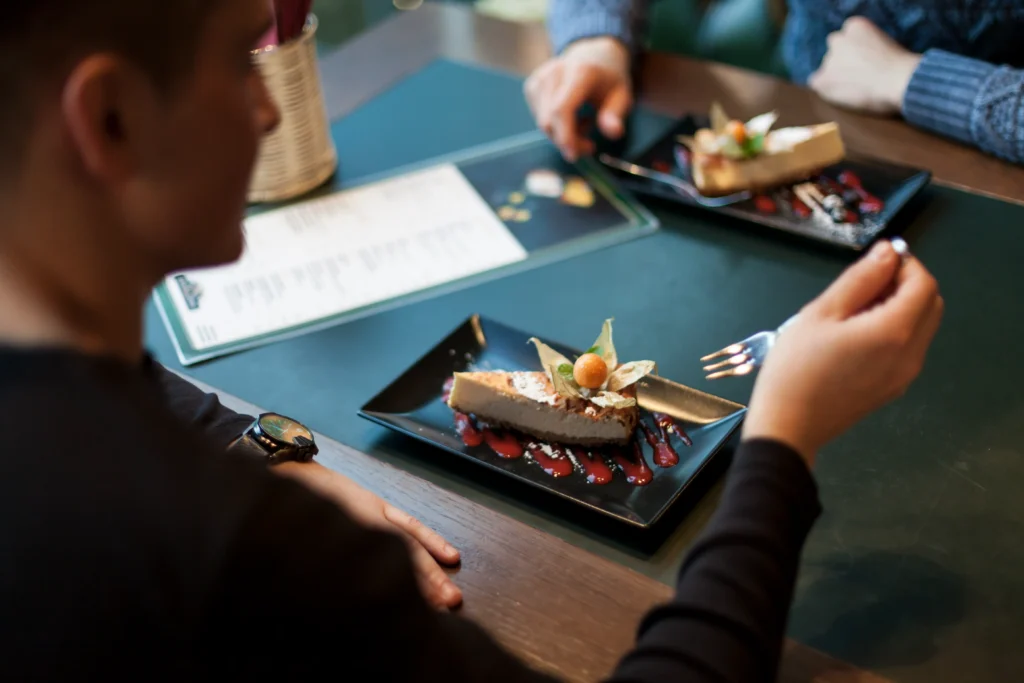
Editors trust what diners say more than what restaurants say. User generated content gives you that proof for free. A guest post about your claypot rice carries more value than a paragraph in your press kit. Save the best posts and ask permission before you share them.
Guest photos work the same way. A real photo of friends sharing a meal on a rainy Tuesday beats a styled shot. Pair it with trending audio only when it suits your cafe, because forced trends look desperate. Good engagement on digital platforms shows editors that people care.
Ask your team to collect these moments. A server can mention the photo tag at the table, and the owner can respond to every post. Skip paid influencers unless they eat at your place and agree to feature one dish.
Manage Reviews So Your Pitch Matches What Diners Actually Say
Reporters read reviews too. If your pitch promises a calm dining experience and ten reviews mention long waits, your credibility drops fast. You need to manage reviews every week, not only when a bad one appears. Reply politely, fix the problem, and note which complaints repeat.
Reviews also point to your strongest angle. Look for praise that keeps showing up, like your chef’s sambal or how your team treats first-timers. A simple CRM system lets you keep an account of each regular and track repeat visits. Walk the floor, ask guests in person, and give every review a prompt reply.
Be honest with editors about what changed. If a slow kitchen caused bad reviews and you hired two more cooks, that is a pitch. Editors like a problem that was solved, and diners like seeing a restaurant listen.
Restaurant Media Angles in Singapore Only Work When They Are True

Next year will be tougher for restaurants in Singapore. In an age of endless choice, diners have a pack
ed scene to pick from, and one lazy pitch wastes a rare chance. Seasonal events such as Chinese New Year attract the most pitches, so stand out with one true detail, not a list of promotions.
Keep the process simple. Skip the flyers, the recycled articles and the vague brand claims. Choose one creative idea backed by quality you can show, such as a dish, a person or a fix. Reservations and online buzz tend to follow a story that is true.
Media Grid helps restaurants and cafes in Singapore find that angle. We start with how the kitchen actually runs, then check your profile, reviews and photos. Our aim is keeping seats full. Invest in being specific, stay determined, and join the restaurants whose stories appeal to editors.